


The vitamins worth taking in 2026 are vitamin D3, magnesium, omega-3s, and for specific groups B12, folate and iron. Everything else is either food you should be eating, a test result you do not have yet, or a marketing budget. Here is what the trials actually support and what to skip.
Which vitamins are actually worth taking in 2026?
Most supplement shelves are organised by marketing, not evidence. The honest ranking starts with nutrients where a large share of adults are genuinely low, then moves to those tested against real outcomes.
The four that clear the bar. These are the nutrients where common deficiency and tested outcomes overlap.
- Vitamin D3 — the most common genuine deficiency in northern latitudes, and the one with the clearest case for testing rather than guessing. Grade B
- Magnesium — intake below the recommended amount is common, and glycinate has small but real trial support for sleep quality. Grade B
- Omega-3 (EPA + DHA) — tested for cardiovascular events in tens of thousands of people, with modest but directionally consistent benefit. Grade B
- Iron, B12 and folate — essential, but only corrective. If your bloodwork is normal, more is not better. Grade A for deficiency, not for topping up
What changed since 2024. The large-outcome trials finished reporting secondary analyses, which is where the signal lives: vitamin D3 did not prevent cancer overall in VITAL, but reduced advanced and metastatic cancer, strongest in people who started at lower body weight. Meanwhile the shelf moved to gummies and blends, which makes label reading harder, not easier.
Why “just eat better” is not a complete answer. Food first is still correct. But produce is lower in several minerals than it was fifty years ago, fortified foods are uneven, and absorption changes with age, medication and gut health. That is the gap a targeted supplement fills — not a gap a dozen capsules fill.
Vitamin D3: the one most people are genuinely short on Grade B
Vitamin D is not really a vitamin. It behaves like a hormone precursor and the body makes it from sunlight, which is why deficiency tracks latitude, season and skin tone far more than diet.
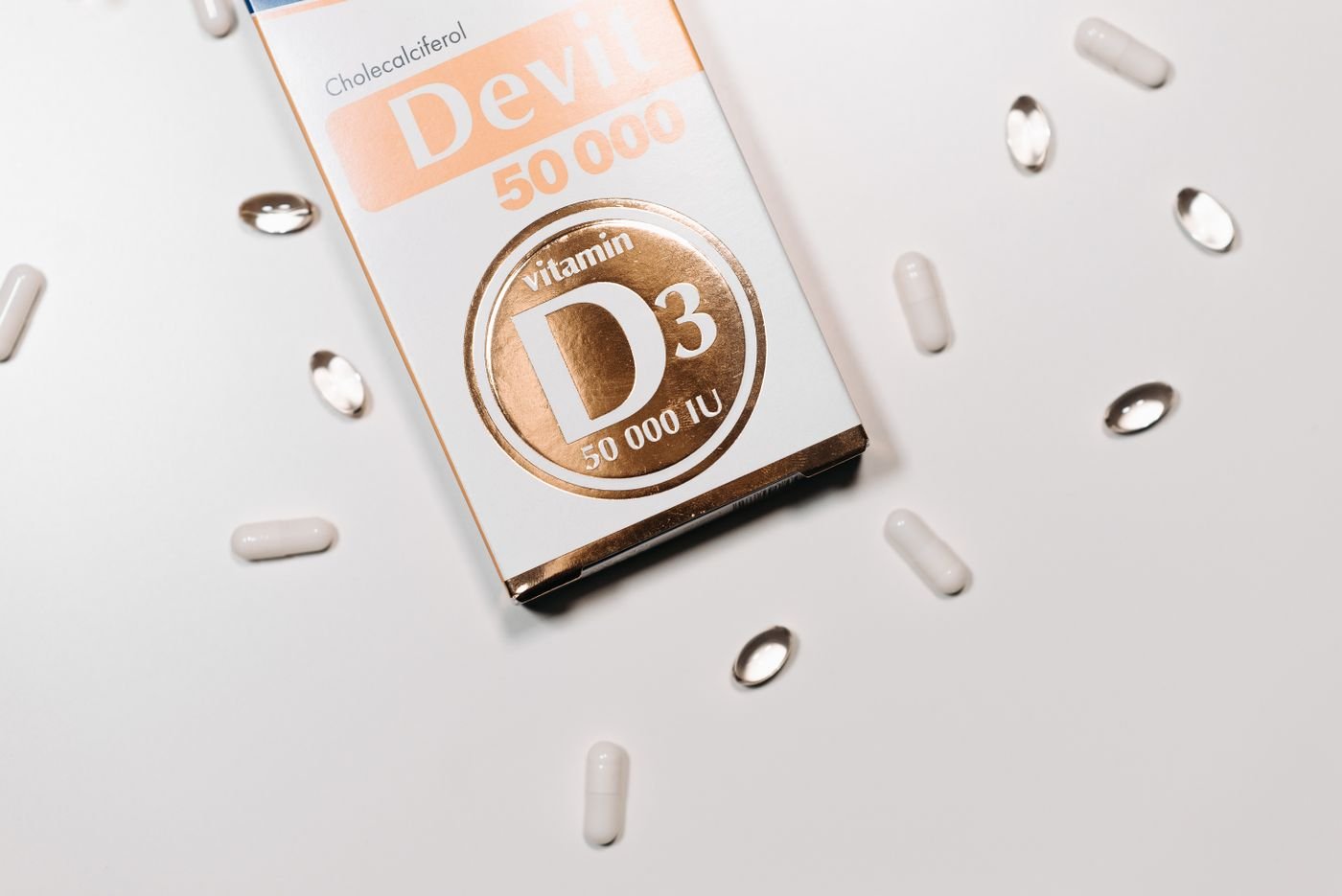
How much vitamin D3 should you take?
For most adults, 1,000 to 2,000 IU daily is a sane maintenance range, and 2,000 IU is the dose a decade of large trials has tested. Higher is not automatically better: above roughly 4,000 IU daily the evidence stops improving and the risk of high blood calcium starts to matter. If a lab result shows deficiency, the corrective dose is a clinical decision, not a label decision.
What the VITAL trial actually found
VITAL randomised 25,871 adults to 2,000 IU of vitamin D3 daily or placebo, median follow-up 5.3 years. The headline was null for total cancer and major cardiovascular events. The secondary analyses are the part worth knowing: vitamin D3 was associated with lower risk of advanced and metastatic cancer, concentrated in people who entered at lower body weight. A real signal, but a secondary one. It supports correcting a deficiency, not megadosing as prevention.
Who should get tested rather than guess. If any of these apply, ask for a 25-hydroxyvitamin D level before buying anything.
- Anyone living above roughly the 35th parallel through winter
- People with darker skin, who need more sun exposure for the same synthesis
- Adults over 65, whose skin synthesises vitamin D less efficiently
- Anyone with a malabsorption condition, or on medication that interferes with fat absorption
- People with obesity, because vitamin D distributes into fat tissue and serum levels run lower
The test is a 25-hydroxyvitamin D blood level. It is cheap, it is standard, and it turns a guess into a decision. Our guide to vitamin D deficiency symptoms and treatment covers what the numbers mean in practice.
Magnesium: the mineral most diets run short on Grade B
Magnesium is involved in energy production, muscle contraction, blood pressure regulation and sleep architecture. Low intake is common because the richest sources are seeds, legumes and dark leafy greens, and none of those dominate a typical plate.
Glycinate, citrate or oxide?
The form matters more than the milligram count on the front of the bottle, because absorption varies enormously. Glycinate is bound to the amino acid glycine, is well absorbed and is gentle on the stomach. Citrate is also well absorbed and is useful if constipation is an issue. Oxide is cheap and poorly absorbed, which is why it is the form in most bargain-basement products, and why it mostly acts as a laxative.
| Form | Absorption | Best fit | Watch out |
|---|---|---|---|
| Magnesium glycinate | High | Sleep, general daily use, sensitive stomachs | Higher cost per milligram |
| Magnesium citrate | High | Constipation, general daily use | Loose stools above a few hundred mg |
| Magnesium oxide | Low | Short-term constipation relief | Poor absorption; not a daily supplement |
| Magnesium threonate | Moderate | Cognitive research interest | Expensive, human outcome data still thin |
Does magnesium help you sleep?
Somewhat, and less than the internet claims. A placebo-controlled trial of magnesium bisglycinate in adults reporting poor sleep found improvements in several sleep measures, and a systematic review found a consistent direction of effect while flagging that most trials were small and short. Worth trying if you are low and sleeping badly; not a sedative.
Trial doses cluster around 200 to 400 mg of elemental magnesium in the evening. If nothing changes after a month, stop. Our comparison of magnesium types goes deeper on dosing and interactions.
Omega-3s: the most-tested supplement on the shelf Grade B
EPA and DHA are the two long-chain omega-3 fats that matter here. ALA from flax is not a substitute at scale: conversion is inefficient, often under ten percent.
How much EPA and DHA do you need?
The trials showing cardiovascular benefit used roughly 840 mg to 1,800 mg of combined EPA and DHA daily. Most consumer capsules deliver 300 to 600 mg per two-capsule serving, because the number on the front is oil weight, not EPA plus DHA. Read the supplement facts panel.
| Outcome | What the evidence shows | Reasonable dose |
|---|---|---|
| Cardiovascular events | Modest reduction in large trials and meta-analyses | 840–1,800 mg EPA + DHA daily |
| Triglycerides | Dose-dependent reduction, strongest at 2–4 g | Prescription territory above 2 g |
| Cognitive decline | Inconsistent; no clear prevention effect | Food-first, do not rely on it |
| Atrial fibrillation | Slight increase in risk at higher doses | Stay near 1 g unless advised |
The atrial fibrillation caveat. Meta-analyses of omega-3 supplementation have found a modest increase in atrial fibrillation risk at higher doses, even while cardiovascular event rates fell. The absolute effect is small and it is not a reason to avoid fish. It is a reason not to take 4 grams a day because a podcast said so. With a history of atrial fibrillation, that conversation belongs with your doctor.
For dosing detail and how to compare products, see our omega-3 supplement guide.
B12, folate and iron: test before you supplement Grade A for deficiency
These three are the clearest case of benefit running one way only. If you are deficient, correcting it changes how you feel within weeks. If you are not, supplementing does nothing measurable — and with iron can cause harm.
Who is actually at risk of B12 deficiency?
Vitamin B12 absorption depends on stomach acid and a protein called intrinsic factor, which is why the at-risk list looks nothing like the marketing list:
- Long-term metformin users. A prevalence study in patients on metformin found B12 deficiency common enough to justify routine monitoring rather than symptom-led testing.
- Anyone on a proton-pump inhibitor for more than a year.
- People eating a vegan or near-vegan diet, since B12 occurs naturally almost exclusively in animal foods.
- Adults over 60, because stomach acid production declines with age.
Symptoms are easy to miss: fatigue, tingling in the hands or feet, memory slips, a swollen tongue. Nerve damage from prolonged deficiency can become permanent, which is why you test rather than wait.
Folate: one nutrient with a public-health win attached. Folic acid fortification of staple foods is one of the clearest successes in preventive nutrition, with surveillance data showing reductions in neural tube defect mortality and disability after fortification. For individuals the point is narrower: if you could become pregnant, 400 micrograms daily is well established and has to start before conception to matter.
Why ferritin beats a haemoglobin test
Iron is the supplement people start on a hunch and stop on a side effect. Haemoglobin only flags anaemia, the late stage; ferritin shows stored iron and drops first. That explains a lot of unexplained fatigue, particularly in women with heavy periods. Test, then treat. Our breakdown of iron deficiency signs and causes in women covers what to ask for.
Do multivitamins actually do anything? Grade B
For years the honest answer was no. COSMOS complicated that, modestly and specifically.
What COSMOS found
COSMOS randomised older adults to a multivitamin-mineral, cocoa extract, both, or placebo. Cocoa did not pan out. The multivitamin arm showed a small benefit on global cognitive function in the clinic subcohort, and a separate analysis reported lower incidence of mild cognitive impairment. These are cognitive endpoints with small effect sizes — but small and real beats large and imaginary.
A basic multivitamin is a reasonable low-cost hedge if your diet is inconsistent, and not a substitute for the four nutrients above. It will not compensate for ultra-processed food, and it will not replace a diagnosis. If you want a structured starting point, our seven vitamins worth taking daily narrows it down further.
Stop guessing which nutrients you are short on.
A lab panel gives you ferritin, vitamin D and B12 numbers you can act on, instead of buying supplements for problems you may not have. It is a test, not a treatment.
Available in the United States only. Ordering requires a US address; results are reviewed by a licensed clinician.
AllAboutHealthToday may receive a commission at no additional cost to you. Lab testing does not replace medical advice from your own physician.
How to read a supplement label without being fooled Grade C
Supplement regulation is lighter than drug regulation in most countries, which puts the judgement on the buyer. Four habits cover most of it.
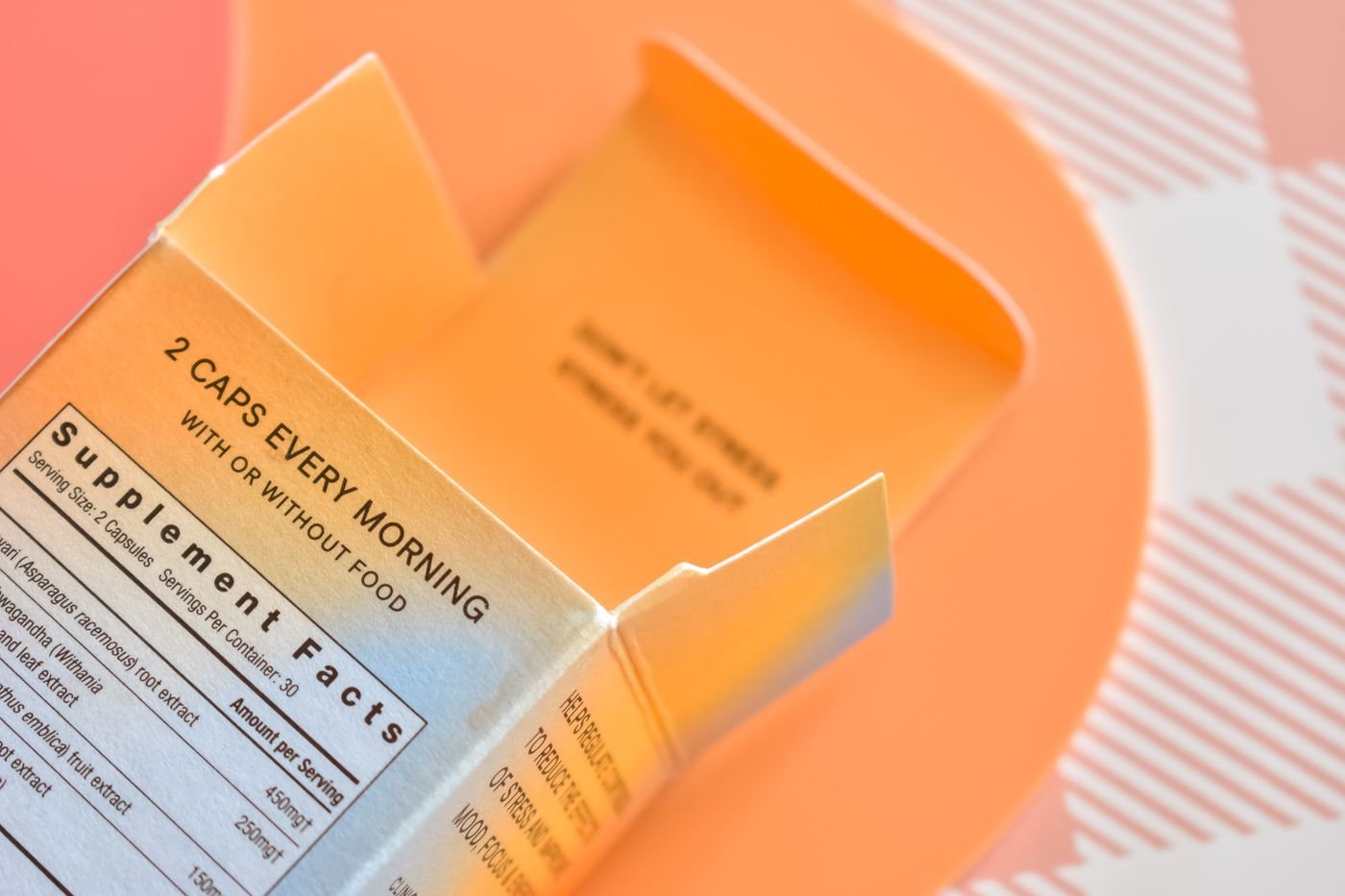
- Find the actual dose. The front of the bottle is marketing; the supplement facts panel is the product. A blend listing total milligrams without per-ingredient amounts tells you nothing.
- Check the form. Magnesium oxide, folic acid versus methylfolate, and oxide versus chelated minerals all behave differently. The cheapest form is usually cheapest for a reason.
- Look for third-party testing. NSF Certified for Sport, USP Verified and Informed Choice are real programmes with published standards. A QR code pointing at the manufacturer site is not testing.
- Count the capsules against the dose. A product advertising 1,000 mg of EPA plus DHA that needs six capsules to get there is designed for a label, not a person.
The upper limit question. More is not better, and for several nutrients it is worse. Vitamin D above roughly 4,000 IU daily, vitamin A as retinol, selenium and iron all have real toxicity ceilings. The nutrients with the widest safety margin are also the ones with the least evidence for mega-dosing.
If supplement stacking is already part of your routine, our piece on the most popular supplements and what they actually do is a useful audit.
What to skip, and what can genuinely hurt you Grade A for harm
Three categories deserve a hard stop, not a caution.
- High-dose beta-carotene in smokers. Large trials in smokers found increased lung cancer incidence with beta-carotene supplementation. This is one of the most reproducible harms in the supplement literature and it still appears in products aimed at “immune support”.
- Megadose antioxidants during chemotherapy or radiotherapy. The mechanism is plausible and the trials are not reassuring. That is a conversation with the treating oncologist, not a shelf decision.
- Proprietary blends with no per-ingredient doses. Not dangerous by definition, but unaccountable by design.
A realistic daily stack. Answer three questions first: what does my bloodwork say, what does my diet contain, and what am I trying to change? For most adults that produces two to four items, not twelve. Vitamin D3 at 1,000 to 2,000 IU, magnesium glycinate at 200 to 400 mg in the evening, and about a gram of combined EPA and DHA cover the common gaps.
Read the food side too: our analysis of declining nutrient density in modern food explains why the baseline shifted.
Verdict: a short, tested stack beats a long, hopeful one
The evidence supports vitamin D3, magnesium and omega-3s for most adults, with B12, folate and iron reserved for people who have a reason. Multivitamins are a mild cognitive hedge in older adults and reasonable diet insurance, not a foundation. Everything beyond that should answer to a lab result, not a label.
Frequently asked questions
What are the most important vitamins to take daily?
Vitamin D3, magnesium and omega-3s combine common deficiency with real trial evidence. B12, folate and iron matter just as much, but only if a blood test shows you need them.
Should I take vitamin D3 and K2 together?
Reasonable, with trial evidence that menaquinone-7 improves vascular stiffness measures in post-menopausal women. Not mandatory, and not a substitute for monitoring vitamin D levels.
Is it better to take a multivitamin or individual vitamins?
Individual nutrients when you have a specific gap; a multivitamin when you want a low-cost baseline. Taking both is usually redundant and occasionally excessive, particularly for iron and vitamin A.
Can you overdose on vitamins?
Yes, on the fat-soluble ones and on minerals. Vitamin D above roughly 4,000 IU daily, retinol, selenium and iron all have real ceilings. Water-soluble vitamins are more forgiving, which does not make megadoses useful.
Do vitamins need to be taken with food?
Fat-soluble vitamins (A, D, E, K) absorb better with a meal containing fat. Magnesium and B vitamins are less fussy, though magnesium can upset an empty stomach. Iron absorbs better away from coffee, tea and calcium.
How long before I notice a difference?
Correcting a genuine deficiency usually shows within two to six weeks. If nothing has changed after two months of a well-dosed product, that nutrient was probably not the problem. Stop and test.
Sources
- Chandler PD, et al. Effect of Vitamin D3 Supplements on Development of Advanced Cancer: A Secondary Analysis of the VITAL Randomized Clinical Trial. JAMA Netw Open, 2020;3(11):e2025850. PMID 33206192
- Ogata S, et al. Marine n-3 Fatty Acids and Prevention of Cardiovascular Disease: A Novel Analysis of the VITAL Trial Using Win Ratio and Hierarchical Composite Outcomes. Nutrients, 2023;15(19). PMID 37836519
- Vyas CM, et al. Effect of multivitamin-mineral supplementation versus placebo on cognitive function: results from the clinic subcohort of COSMOS. Am J Clin Nutr, 2024;119(3):692-701. PMID 38244989
- Sachs BC, et al. Impact of multivitamin-mineral and cocoa extract on incidence of mild cognitive impairment and dementia: Results from COSMOS. Alzheimers Dement, 2023;19(11):4863-4871. PMID 37035889
- Schuster J, et al. Magnesium Bisglycinate Supplementation in Healthy Adults Reporting Poor Sleep: A Randomized, Placebo-Controlled Trial. Nat Sci Sleep, 2025;17:2027-2040. PMID 40918053
- Lopresti AL, et al. Magnesium Supplementation for Sleep in Adults: A Systematic Review of Randomized Controlled Trials. J Diet Suppl, 2026;23(5):553-581. PMID 42661485
- Mohammadi S, et al. Comprehensive Effects of Magnesium Supplementation on Cardiometabolic Risk Factors: A Systematic Review and Dose-Response Meta-Analysis. Nutrients, 2026;18(15). PMID 42588058
- de Vries F, et al. Effects of One-Year Menaquinone-7 Supplementation on Vascular Stiffness and Blood Pressure in Post-Menopausal Women. Nutrients, 2025;17(5). PMID 40077685
- Grant WB, et al. Vitamin D: Evidence-Based Health Benefits and Recommendations for Population Guidelines. Nutrients, 2025;17(2). PMID 39861407
- Laugesen K, et al. Metformin and Vitamin B12 Deficiency: A Prevalence Study. Endocr Pract, 2026. PMID 42567282
- Asrani RP, et al. Folic Acid Fortifications in Rice and Wheat Reduce Neural Tube Defects-Associated Mortality and Disability in India. J Nutr, 2026;156(11):101830. PMID 42744239
- Shayan SK, et al. Meta Analysis of DHA and EPA Supplementation on Cardiovascular Outcomes and Atrial Fibrillation Risk. Pharmacol Res Perspect, 2026;14(3):e70265. PMID 42144851