
What Are Adaptogens, Exactly?
Adaptogens work primarily through the hypothalamic-pituitary-adrenal (HPA) axis and the sympathoadrenal system. At the molecular level, they modulate stress-activated proteins like Hsp70 and regulate stress-related kinases — helping cells handle pressure without sounding the full alarm.
Think of the stress response as a smoke detector. Chronic stress is a detector with a dying battery — chirping constantly. Adaptogens recalibrate its sensitivity so it triggers only when there’s actual danger. This is why resilience matters more than “lowering cortisol.” The goal isn’t flattening stress hormones to zero — that would be dangerous — but restoring the body’s ability to respond and recover.
The Stress Response: HPA Axis and Resilience
Every adaptogen conversation starts with the HPA axis. The hypothalamus releases CRH → pituitary releases ACTH → adrenals produce cortisol. In acute stress, this resolves within an hour. The problem is when the loop never disengages — a state researchers call “allostatic load.” Cortisol receptors become less sensitive, the feedback loop gets sluggish, and you’re simultaneously flooded with stress hormones yet paradoxically less responsive to them. That’s the biology of burnout.
Adaptogens work at different points along this axis. Ashwagandha directly reduces serum cortisol, while rhodiola targets the cognitive and physical consequences of HPA activation. And because cortisol is one of the body’s most powerful endogenous anti-inflammatory agents, HPA dysregulation and chronic inflammation are deeply intertwined — which is why adaptogens with anti-inflammatory properties (reishi, holy basil) may offer complementary benefits.
Ashwagandha: The Cortisol-Calming Root
What It Is
Ashwagandha (Withania somnifera) is a shrub native to India whose root has been used in Ayurvedic medicine for over 3,000 years. Its bioactive compounds — withanolides — are responsible for its anxiolytic, neuroprotective, and cortisol-modulating effects.
The Evidence
Ashwagandha is the most extensively studied adaptogen. A 2019 double-blind trial in Medicine with 60 adults found that 240 mg daily for 60 days produced a 23% reduction in morning cortisol versus placebo. Other studies using KSM-66 and Sensoril extracts report cortisol reductions of 14–28%, with corresponding improvements in anxiety, sleep, and well-being.
Beyond stress, ashwagandha has shown promise for:
- Sleep: A 2021 systematic review of five RCTs found it significantly improved sleep quality and reduced the time to fall asleep, especially at doses of 600 mg or higher.
- Anxiety: Multiple trials show ashwagandha outperforms placebo on standardized anxiety scales, with effect sizes comparable to some pharmaceutical anxiolytics.
- Testosterone: In men, ashwagandha has been associated with modest testosterone increases (15–18%) and improved muscle strength when combined with resistance training — likely through cortisol reduction rather than direct hormonal stimulation.
Dosing and Safety
The standard dose is 300–600 mg daily of a standardized root extract (5% withanolides). KSM-66 (root-only) tends to be more energizing; Sensoril (root-and-leaf) is more sedating and better suited for evening use. Important cautions: Ashwagandha can stimulate thyroid hormone production and may interact with thyroid medications. Avoid it during pregnancy, with autoimmune conditions (it can increase immune activity), and when taking sedatives or immunosuppressants.
Rhodiola Rosea: The Fatigue Fighter
What It Is
Rhodiola rosea (golden root, arctic root) grows in cold, high-altitude regions and has a long history in Scandinavian and Russian traditional medicine for enduring harsh climates and combating mental fog. Its key compounds are rosavins and salidroside; the SHR-5 standardized extract is most common in research.
The Evidence
Rhodiola’s strongest evidence is for fatigue reduction, particularly the exhaustion of prolonged stress. A 2012 trial in Planta Medica gave 60 people with stress-related fatigue 576 mg daily for 28 days and found significant reductions in fatigue scores with effects noticeable within the first week. Rhodiola is more stimulating than ashwagandha — best suited for burnout where you feel drained and cognitively sluggish, not for anxious overthinking. Research also supports its use for cognitive performance during sleep deprivation and modest exercise endurance gains.
Dosing and Safety
The standard dose is 200–600 mg daily of a standardized extract (minimum 3% rosavins, 1% salidroside), taken in the morning or early afternoon. Because rhodiola is mildly stimulating, taking it too late can interfere with sleep — an important consideration if you’re already working on sleep quality. Side effects are uncommon but can include dizziness or dry mouth. Caution is advised for anyone taking antidepressants due to a theoretical risk of additive serotonergic effects.
Lion’s Mane: The Brain’s Best Friend
What It Is
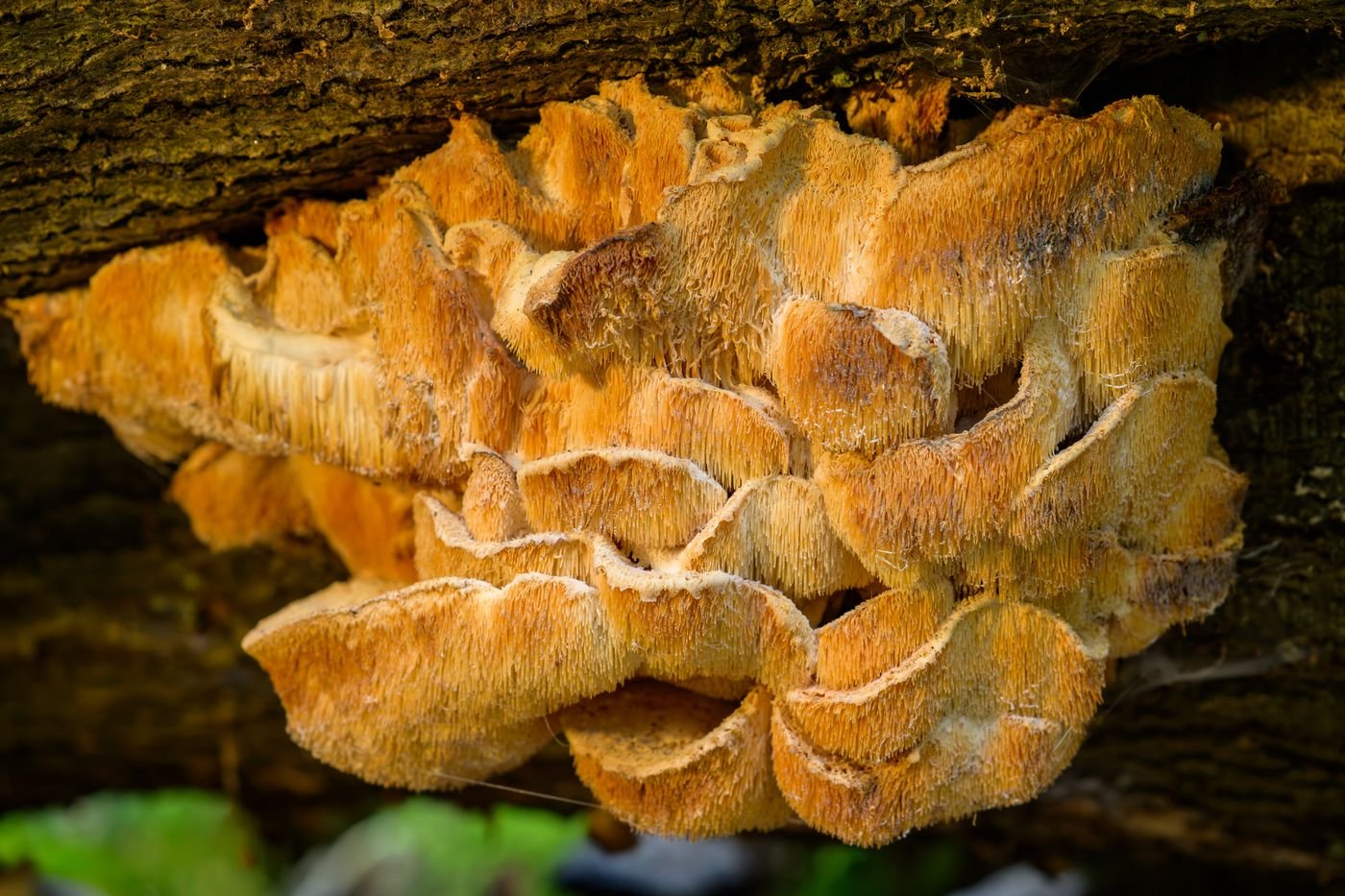
Lion’s mane (Hericium erinaceus) is a shaggy white mushroom used in traditional Chinese and Japanese medicine for centuries. Its unique compounds — hericenones and erinacines — stimulate the production of nerve growth factor (NGF), a protein critical for neuron growth, maintenance, and survival.
The Evidence
The NGF connection makes lion’s mane unique among adaptogens. NGF crosses the blood-brain barrier and promotes neurogenesis in the hippocampus — central to memory and emotional regulation. A 2019 Japanese trial gave 50 adults with mild cognitive impairment 3 grams daily for 16 weeks and found significant cognitive improvements that reversed within four weeks of stopping — suggesting continuous use is necessary.
Lion’s mane also shows promise for mood and gut health via the gut-brain connection: its prebiotic polysaccharides support beneficial gut bacteria, making it one of the few adaptogens working on both ends of the gut-brain axis.
Dosing and Safety
Typical doses range from 500 mg to 3,000 mg daily. Products standardized to hericenones or beta-glucans are preferred. Lion’s mane is well tolerated; mild GI discomfort or skin itching are the most common side effects. Avoid cheap powders made from myceliated grain rather than pure fruiting body — they contain negligible active compounds.
Holy Basil (Tulsi): The Gentle Daily Ally
Holy basil (Ocimum sanctum), known as tulsi in Ayurveda, is gentle enough for daily long-term use. Unlike the targeted action of ashwagandha or rhodiola, tulsi works through multiple mechanisms — modulating cortisol, reducing oxidative stress, supporting blood sugar regulation, and exerting mild anti-inflammatory effects. It’s a general tonic for the stressed-out body rather than a targeted intervention.
A 2017 systematic review of 24 studies found tulsi reliably reduced stress, anxiety, and depression at doses of 500–1,000 mg daily. Its action includes inhibiting 11β-HSD1 — the enzyme that converts inactive cortisone into active cortisol in tissues — meaning it may reduce cortisol activity locally rather than simply suppressing adrenal output. Tulsi is also one of the few adaptogens consumable as tea (2–3 cups daily), making it an easy entry point for the supplement-hesitant.
Cordyceps: Energy and Athletic Performance
Cordyceps (Cordyceps militaris) is an energy and performance adaptogen, not a calming one. Its active compound, cordycepin, enhances ATP synthesis and oxygen utilization in mitochondria. A 2016 meta-analysis found cordyceps improved VO2 max by roughly 7–9% in trained athletes. For non-athletes, it’s often used to combat low-grade fatigue that doesn’t respond to sleep alone. Typical dosing: 1,000–3,000 mg daily, taken in the morning.
Reishi: Sleep and Immune Modulation
Reishi (Ganoderma lucidum) is the opposite of cordyceps: deeply calming and historically revered in traditional Chinese medicine for promoting longevity. Its triterpenes and beta-glucans provide bidirectional immune modulation — enhancing certain immune responses while downregulating excessive inflammation. Unlike immune-boosting supplements that push in one direction, reishi adjusts in both. It’s widely used for sleep support through calming effects on the GABAergic system. Standard dosing: 1,500–3,000 mg daily, ideally in the evening.
Panax Ginseng: Cognitive Function and Vitality
Panax ginseng (Korean ginseng) is the world’s most famous adaptogen — don’t mistake it for Siberian ginseng (Eleutherococcus senticosus), a different plant with weaker evidence. Its active compounds, ginsenosides, support three main uses: cognitive function (working memory and reaction time under fatigue), physical energy, and libido — where ginseng has shown particular promise for erectile function through nitric oxide effects. Dosing: 200–400 mg daily (4–7% ginsenosides), cycled 2–3 weeks on and 2 weeks off to prevent tolerance. Take in the morning.
| Adaptogen | Primary use per this article | Evidence strength per this article | Dose stated in this article | Cautions stated in this article |
|---|---|---|---|---|
| Ashwagandha (Withania somnifera) | Anxious, overthinking stress; cortisol reduction; sleep; anxiety; modest testosterone support | Strongest: the most extensively studied adaptogen. A 2019 double-blind trial in Medicine (60 adults) found 240 mg daily for 60 days produced a 23% reduction in morning cortisol vs placebo; KSM-66 and Sensoril extracts report cortisol reductions of 14–28%. A 2021 systematic review of five RCTs found improved sleep quality and faster time to fall asleep, especially at 600 mg or higher. In men, testosterone increases of 15–18% with resistance training | 300–600 mg daily of a standardized root extract (5% withanolides); sleep benefits reported at 600 mg or higher | Can stimulate thyroid hormone production and interact with thyroid medications; avoid during pregnancy, with autoimmune conditions, and when taking sedatives or immunosuppressants; a particular concern in autoimmune thyroiditis |
| Rhodiola rosea (golden root, arctic root) | Fatigue reduction and burnout — targets the cognitive and physical consequences of HPA activation; cognitive performance during sleep deprivation; modest exercise endurance | Strongest evidence is for fatigue reduction. A 2012 trial in Planta Medica (60 people with stress-related fatigue) found 576 mg daily for 28 days gave significant reductions in fatigue scores, with effects noticeable within the first week | 200–600 mg daily of a standardized extract (minimum 3% rosavins, 1% salidroside), taken in the morning or early afternoon | Mildly stimulating — taken too late it can interfere with sleep; side effects uncommon but can include dizziness or dry mouth; caution advised with antidepressants due to a theoretical risk of additive serotonergic effects |
| Lion’s mane (Hericium erinaceus) | Cognitive support and neuroprotection; mood and gut health via the gut-brain axis | A 2019 Japanese trial gave 50 adults with mild cognitive impairment 3 grams daily for 16 weeks and found significant cognitive improvements that reversed within four weeks of stopping. Unique among adaptogens for its nerve growth factor (NGF) mechanism | 500 mg to 3,000 mg daily, standardized to hericenones or beta-glucans | Well tolerated; mild GI discomfort or skin itching are the most common side effects; avoid cheap powders made from myceliated grain rather than pure fruiting body |
| Holy basil / tulsi (Ocimum sanctum) | Gentle general tonic for the stressed-out body — cortisol modulation, oxidative stress, blood sugar regulation and mild anti-inflammatory effects; a gentler alternative for daily long-term use | A 2017 systematic review of 24 studies found tulsi reliably reduced stress, anxiety and depression. It inhibits 11β-HSD1, so it may reduce cortisol activity locally rather than simply suppressing adrenal output | 500–1,000 mg daily; also consumable as tea, 2–3 cups daily | Not stated in this article beyond the general avoid-list (pregnancy, autoimmune conditions, drug interactions, surgery) |
| Cordyceps (Cordyceps militaris) | Energy and athletic performance — an energizing adaptogen, not a calming one; also used for low-grade fatigue that does not respond to sleep alone | A 2016 meta-analysis found cordyceps improved VO2 max by roughly 7–9% in trained athletes | 1,000–3,000 mg daily, taken in the morning | Not stated in this article beyond the general avoid-list; third-party testing matters most for mushrooms, which can accumulate heavy metals |
| Reishi (Ganoderma lucidum) | Sleep support and bidirectional immune modulation — calming, the opposite of cordyceps | Described as widely used for sleep support through calming effects on the GABAergic system; no quantified trial result is stated in this article | 1,500–3,000 mg daily, ideally in the evening | Not stated in this article beyond the general avoid-list; third-party testing is critical because mushrooms can accumulate heavy metals |
| Panax ginseng (Korean ginseng) | Cognitive function (working memory and reaction time under fatigue), physical energy, and libido — particular promise for erectile function | The article states ginseng has shown particular promise for erectile function through nitric oxide effects; no quantified effect size is stated. Weaker evidence than ashwagandha, and not to be confused with Siberian ginseng (Eleutherococcus senticosus) | 200–400 mg daily (4–7% ginsenosides), cycled 2–3 weeks on and 2 weeks off, taken in the morning | Can interact with blood thinners such as warfarin |
Who Should Avoid Adaptogens
Adaptogens are not universally safe. The same mechanisms that make them effective also mean they can be problematic in certain populations — and the “natural equals harmless” assumption is dangerously wrong for compounds that demonstrably shift hormone levels, immune activity, and neurotransmitter balance.
- Pregnancy and breastfeeding: Most adaptogens have not been adequately studied for safety during pregnancy. The precautionary principle applies — avoid them unless explicitly cleared by your OB-GYN.
- Autoimmune conditions: Many adaptogens are immunomodulators. For someone with lupus, rheumatoid arthritis, MS, or Hashimoto’s, this can be unpredictable. Ashwagandha is a particular concern for autoimmune thyroiditis because it can increase thyroid hormone output.
- Drug interactions: Ashwagandha can potentiate sedatives, thyroid medications, and immunosuppressants. Rhodiola has theoretical interactions with antidepressants. Panax ginseng can interact with blood thinners like warfarin. If you take any prescription medication, discuss adaptogen use with your physician.
- Surgery: Several adaptogens affect blood clotting and blood sugar — most surgical teams recommend discontinuing them at least two weeks before any procedure.
How to Choose Quality Supplements
A 2023 lab investigation found that nearly 40% of herbal supplements from major online retailers didn’t contain the species on the label. For adaptogens — where potency depends on specific bioactive compounds — this is serious.
- Standardized extracts: Look for products specifying active compound percentages — withanolides for ashwagandha (2.5–5%), rosavins and salidroside for rhodiola (min 3% and 1%), ginsenosides for ginseng (min 4%). Raw herb powder without standardization gives you no way to know the therapeutic dose.
- Third-party testing: USP, NSF International, or ConsumerLab certifications provide assurance against contaminants. This is especially critical for mushrooms (reishi, cordyceps), which can accumulate heavy metals.
- Fruiting body vs. myceliated grain: For mushroom adaptogens, products made from actual fruiting bodies are far superior to myceliated grain — which is mostly starch with negligible active compounds.
Adaptogens Aren’t Magic — But the Best Ones Earn Their Place
If there’s a single takeaway from the adaptogen literature, it’s that expectations matter. No adaptogen compensates for chronic sleep deprivation, poor diet, or unmanaged stress. What ashwagandha, rhodiola, and lion’s mane have demonstrated in well-designed trials is a meaningful nudge toward balance when foundational habits are already in place. Think of them as amplifiers, not replacements.
The data also makes clear that specificity matters. Ashwagandha works best for anxious, overthinking stress. Rhodiola is the stronger pick for burnout and cognitive fog. Lion’s mane serves a different purpose — cognitive support and neuroprotection. The adaptogens that work are the ones matched to the right problem, at the right dose, from a quality source. Pick one, give it six to eight weeks, and pay attention to how you feel.