
🌿 What Is the Mediterranean Diet, Exactly?
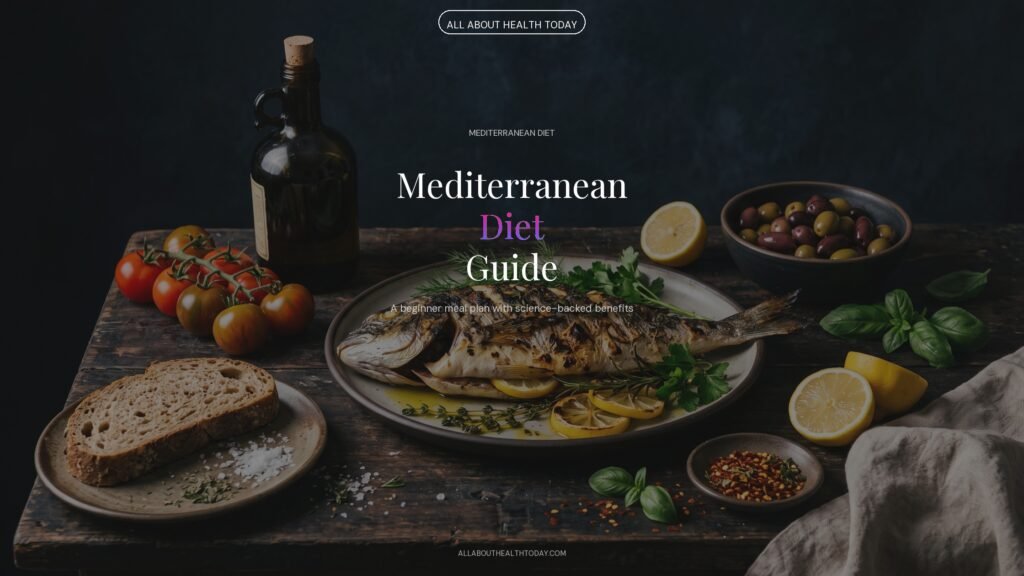
The Mediterranean diet isn’t a rigid meal plan with calorie counts and banned food groups — it’s a way of eating inspired by the traditional dietary patterns of countries bordering the Mediterranean Sea, particularly Greece, southern Italy, and Crete in the 1960s. Back then, researchers noticed something remarkable: despite limited medical care, people in these regions lived longer and suffered far fewer heart attacks than Americans and northern Europeans. The secret wasn’t a single superfood. It was an entire lifestyle built around plants, healthy fats, and real food — eaten slowly, often with family.
Today, the Mediterranean diet is consistently ranked the #1 overall diet by U.S. News & World Report, backed by decades of rigorous clinical research including the landmark PREDIMED trial. It’s not about deprivation — it’s about abundance of the right things. Think olive oil drizzled generously over roasted vegetables, grilled fish with lemon and herbs, and a glass of red wine shared over a long dinner.
🧬 The Science Snapshot
A 2024 Harvard-led study published in JAMA Network Open found that women who closely followed the Mediterranean diet had a 23% lower risk of dying over 25 years — linked to measurable biological changes that reduce cancer and cardiovascular risk. The diet doesn’t just add years to your life; it adds life to your years.
🫒 The Mediterranean Diet Food Pyramid: What to Eat Every Day
The traditional Mediterranean pyramid places plant foods at the broad base — eaten at every meal — with animal proteins climbing higher (and eaten less often). Here’s your at-a-glance guide:
| Category | Frequency | Examples |
|---|---|---|
| 🥬 Vegetables | Every meal | Tomatoes, leafy greens, peppers, eggplant, zucchini, onions, garlic, artichokes, broccoli |
| 🍓 Fruits | 2–3 servings daily | Berries, oranges, figs, grapes, pomegranates, apples, dates, apricots |
| 🌾 Whole Grains | Every meal | Whole wheat bread, brown rice, quinoa, farro, bulgur, oats, barley, whole-grain pasta |
| 🫘 Legumes | 3–4 times weekly | Chickpeas, lentils, cannellini beans, fava beans, peas |
| 🥜 Nuts & Seeds | 1–2 handfuls daily | Walnuts, almonds, pistachios, pine nuts, flaxseeds, chia seeds, sesame |
| 🫒 Extra Virgin Olive Oil | Primary fat — every meal | Drizzled on salads, used for cooking, dipping bread |
| 🐟 Fish & Seafood | ≥2 times weekly | Salmon, sardines, mackerel, tuna, trout, mussels, shrimp, anchovies |
| 🐔 Poultry | 1–2 times weekly | Chicken, turkey, duck (skin removed) |
| 🥚 Eggs | 2–4 per week | Preferably free-range, in omelets, frittatas, or poached |
| 🧀 Dairy | Moderate, daily to weekly | Greek yogurt, feta, ricotta, Parmigiano-Reggiano, goat cheese |
| 🥩 Red Meat | Rarely — 1–2 times monthly | Lean cuts only; treat as a flavor accent, not the main event |
| 🍷 Red Wine | Optional — 1 glass/day with meals | Only if you already drink; not a recommendation to start |
| 🍰 Sweets & Processed Foods | Special occasions only | Fresh fruit is the everyday dessert |
💡 The 80/20 Rule
No one eats perfectly. The Mediterranean diet is about consistency over perfection. Aim to follow the pattern 80% of the time, and don’t stress about the occasional slice of birthday cake or Sunday burger. The research shows that even partial adherence delivers measurable health benefits.
🧪 Why the Mediterranean Diet Works: The Science
The Mediterranean diet’s power comes from synergistic effects — its components work together in ways that isolated nutrients can’t replicate. Here’s what the evidence shows:
❤️ Heart Health — The Strongest Evidence
The PREDIMED trial (published in the New England Journal of Medicine) randomized over 7,400 high-risk adults to a Mediterranean diet with extra virgin olive oil, a Mediterranean diet with mixed nuts, or a low-fat control diet. The result? A roughly 30% reduction in major cardiovascular events — heart attack, stroke, and cardiovascular death — in both Mediterranean groups. The olive oil group saw a particularly striking reduction in stroke risk. A 2025 meta-analysis confirmed that greater adherence to the Mediterranean diet is associated with a 21% reduction in cardiovascular mortality.
If you’re managing blood pressure, our guide on the best foods for high blood pressure complements the Mediterranean approach with specific dietary targets.
🧠 Brain Protection and Dementia Prevention
A January 2025 meta-analysis found that Mediterranean diet adherence was associated with an 11–30% reduction in the risk of age-related cognitive disorders including cognitive impairment, dementia, and Alzheimer’s disease. Even more compelling: 2025 Harvard research suggests the diet may partially offset genetic risk for Alzheimer’s — even in people carrying the APOE4 gene variant — by influencing key metabolic pathways.
🦠 Gut Microbiome Transformation
The Mediterranean diet is a feast for your gut bacteria. Its polyphenols — plant compounds abundant in olive oil, berries, and vegetables — act as prebiotics, selectively feeding beneficial bacteria like Lactobacillus, Bifidobacterium, and Akkermansia while suppressing harmful strains. These bacteria, in turn, produce short-chain fatty acids (SCFAs) like butyrate that strengthen the gut lining and reduce systemic inflammation. This gut-mediated anti-inflammatory effect is one reason the Mediterranean diet shows such broad benefits — from joints to mood to metabolic health. For a deeper dive into the inflammation connection, read our article on chronic inflammation and disease.
🎗️ Cancer Risk Reduction
A March 2025 study in JAMA analyzing nearly half a million participants found that close Mediterranean diet adherence was linked to a 6% lower risk of developing obesity-related cancers — including colorectal, kidney, liver, and esophageal cancers — independently of body weight. A separate April 2025 meta-analysis reported a 13% reduction in breast cancer risk, especially in postmenopausal women.
⚖️ Weight Management Without Counting Calories
A January 2025 systematic review of randomized controlled trials found that Mediterranean diets significantly decreased BMI, waist circumference, and triglycerides in overweight and obese adults — without requiring calorie counting. The high fiber and healthy fat content promotes satiety naturally. For women navigating midlife changes, our breakdown of the best diets for women over 50 explains why the Mediterranean pattern is particularly well-suited for hormonal transitions.
🛒 Your Mediterranean Diet Shopping List (Beginner-Friendly)
Walking into a grocery store and knowing exactly what to grab makes the difference between intention and action. Here’s your starter pantry:
| Section | What to Buy | Why It Matters |
|---|---|---|
| 🥑 Produce | Spinach, kale, arugula, tomatoes, cucumbers, bell peppers, eggplant, zucchini, broccoli, onions, garlic, lemons, berries, oranges, apples, grapes, avocados | The foundation of every meal — aim for variety and color |
| 🍞 Grains | Whole-grain bread, brown rice, quinoa, farro, rolled oats, whole-wheat pasta, bulgur | Choose “whole grain” as the first ingredient; skip white/refined versions |
| 🥫 Pantry | Canned chickpeas, lentils, cannellini beans, diced tomatoes, tomato paste, canned sardines, tuna in olive oil, anchovies | Stock up — these are weeknight dinner heroes |
| 🫒 Oils & Vinegars | Extra virgin olive oil (EVOO), balsamic vinegar, red wine vinegar | EVOO is non-negotiable — cold-pressed, dark bottle preferred |
| 🌰 Nuts & Seeds | Walnuts, almonds, pistachios, pine nuts, chia seeds, flaxseeds, tahini | Raw or dry-roasted, unsalted. Avoid sugar-coated or heavily salted |
| 🌿 Herbs & Spices | Oregano, basil, rosemary, thyme, cumin, paprika, cinnamon, turmeric, black pepper, sea salt | Flavor without relying on salt or processed sauces |
| 🧀 Dairy & Eggs | Greek yogurt (plain), feta cheese, Parmigiano-Reggiano, free-range eggs | Skip flavored/sweetened yogurts; quality over quantity |
| 🐟 Protein | Fresh or frozen salmon, sardines, mackerel, shrimp, chicken breast, turkey | Fatty fish twice weekly; poultry in moderation |
🛑 What to Leave on the Shelf
Sugary sodas, processed snack bars, white bread, margarine, deli meats, “low-fat” flavored products, refined vegetable oils (soybean, canola, cottonseed), and anything with a 20+ ingredient label. If your grandmother wouldn’t recognize it as food, skip it.
📅 7-Day Mediterranean Diet Meal Plan (Beginner Friendly)
This meal plan is designed for someone starting fresh — no exotic ingredients, no all-day cooking. Every recipe takes 30 minutes or less, and leftovers are built in to save time.
| Day | 🥞 Breakfast | 🥗 Lunch | 🍽️ Dinner |
|---|---|---|---|
| Mon | Greek yogurt with walnuts, blueberries, and a drizzle of honey | Mediterranean salad: chickpeas, cucumber, tomato, feta, olives, EVOO + lemon | Sheet-pan salmon with roasted broccoli, bell peppers, and quinoa |
| Tue | Oatmeal with sliced banana, cinnamon, and crushed almonds | Leftover salmon and roasted vegetables | Lentil soup with whole-grain bread drizzled with olive oil |
| Wed | Spinach and tomato omelet with whole-grain toast | Hummus and roasted vegetable wrap with arugula | Lemon-herb baked chicken with farro and Greek salad |
| Thu | Avocado toast on whole-grain bread with red pepper flakes | Tuna salad (EVOO-based, not mayo) on mixed greens with cherry tomatoes | Whole-wheat pasta with sautéed eggplant, zucchini, olives, and tomato sauce |
| Fri | Greek yogurt with figs, pistachios, and a touch of honey | Leftover whole-wheat pasta | Grilled shrimp skewers with couscous, fresh herbs, and lemon |
| Sat | Veggie frittata (eggs, kale, mushrooms, onion) | Hummus plate with raw veggies, olives, and whole-grain pita | Baked cod with roasted cherry tomatoes, capers, and brown rice |
| Sun | Smoothie: spinach, banana, Greek yogurt, flaxseed, almond milk | Mediterranean grain bowl: quinoa, roasted veggies, chickpeas, tahini drizzle | Vegetarian pizza on whole-wheat crust with tomato, olives, arugula, and feta |
🥜 Smart Snacks on the Mediterranean Diet
- A handful of raw walnuts or almonds
- Apple slices with almond butter
- Greek yogurt with a sprinkle of cinnamon
- Hummus with carrot and cucumber sticks
- A small bowl of olives
- Fresh figs or dates (2–3)
- Sardines on whole-grain crackers
🔑 8 Practical Tips for Mediterranean Diet Beginners
- Make olive oil your default fat. Replace butter with extra virgin olive oil for cooking, dressing, and even baking. Start with one tablespoon drizzled over every lunch and dinner.
- Eat vegetables first. Fill half your plate with vegetables before adding anything else. This single habit shifts the meal’s nutritional profile instantly.
- Designate two “fish nights” per week. Canned sardines and frozen salmon count. A quick 15-minute sheet-pan dinner with fish and veggies is easier than you think.
- Swap refined grains for whole. Trade white rice for brown rice or quinoa, white pasta for whole-wheat, and white bread for 100% whole-grain. Do this gradually if needed — your taste buds adjust.
- Cook with herbs, not salt. Oregano, basil, rosemary, cumin, and garlic add layers of flavor without raising blood pressure. For a targeted list of salt-free seasonings, see our article on the best foods for high blood pressure.
- Treat meat as a side dish. Instead of a 10-ounce steak as the centerpiece, use 3 ounces of grilled chicken sliced over a giant salad. If joint pain is a concern, our guide on foods to avoid with arthritis explains why reducing red meat helps tame inflammation.
- Snack on nuts, not chips. Keep a jar of mixed unsalted nuts on your counter. A small handful (about ¼ cup) is satisfying and nutrient-dense.
- Eat with others when you can. The Mediterranean lifestyle emphasizes communal dining and mindful eating — slowing down, savoring food, and enjoying conversation. It’s part of the health equation.

🧬 The Anti-Inflammatory Engine: Polyphenols and Your Gut
One of the most exciting areas of Mediterranean diet research is the gut-inflammation axis. The diet delivers a massive daily dose of polyphenols — plant compounds concentrated in extra virgin olive oil, colorful vegetables, berries, nuts, and herbs. These polyphenols aren’t fully absorbed in the small intestine; instead, they travel to the colon where gut bacteria metabolize them into bioactive compounds.
The result is a cascade of benefits:
- Growth of beneficial bacteria like Akkermansia muciniphila (linked to better metabolic health) and Faecalibacterium prausnitzii (a powerful anti-inflammatory species)
- Increased short-chain fatty acid production — particularly butyrate, which nourishes colon cells and strengthens the gut barrier
- Reduced inflammatory markers including C-reactive protein (CRP), interleukin-6 (IL-6), and tumor necrosis factor-alpha (TNF-α)
This gut-first anti-inflammatory mechanism helps explain why the Mediterranean diet benefits such a wide range of conditions — from chronic inflammation to autoimmune disorders to mood. For more on optimizing your diet for overall wellness, browse our nutrition guides.
🧂 What About Salt, Wine, and Other Gray Areas?
Red Wine: Yes or No?
The traditional Mediterranean diet includes moderate red wine — typically one 5-ounce glass per day for women, up to two for men — consumed with meals. The polyphenol resveratrol in red wine has documented antioxidant and anti-inflammatory properties. However, the World Health Organization and many national health bodies emphasize that no amount of alcohol is risk-free. The Mediterranean diet’s health benefits do not depend on wine — if you don’t drink, there’s no reason to start. If you do, keep it to one glass with dinner and never binge.
Salt: Mediterranean Doesn’t Mean Sodium-Free
Traditional Mediterranean cooking uses sea salt, but the diet’s heavy reliance on fresh, whole foods means naturally lower sodium intake compared to the standard Western diet — where processed foods account for over 70% of sodium consumption. Use herbs and spices liberally, and salt lightly. If you have hypertension, combine Mediterranean principles with the low-sodium strategies in our high blood pressure food guide.
Bread: Friend or Foe?
In Mediterranean countries, bread is a vehicle for olive oil — not a stack of refined white slices slathered in butter. Choose dense, whole-grain, sourdough-style breads. Tear off a piece, dip it in good EVOO, and pair it with a salad or soup. That’s the Mediterranean way.
❓ Frequently Asked Questions
Yes. A January 2025 systematic review of randomized controlled trials found that Mediterranean diets significantly reduced BMI, waist circumference, and body fat — without requiring calorie counting. The combination of fiber (from vegetables, legumes, and whole grains), healthy fats (from olive oil and nuts), and protein (from fish and yogurt) promotes natural satiety. Many people spontaneously eat fewer calories because they feel fuller longer. That said, portion awareness still matters — a handful of nuts isn’t a bottomless bowl.
It doesn’t have to be. Canned chickpeas, lentils, and sardines are some of the most affordable protein sources in any grocery store. Frozen vegetables and fish work just as well nutritionally as fresh. Seasonal produce bought at local markets is often cheaper than packaged snack foods. The biggest single expense is extra virgin olive oil — but even a modest bottle goes a long way, and the health returns far outweigh the cost. A 2023 cost analysis found that the Mediterranean diet can be done for under $8 per person per day with smart shopping.
Absolutely. The Mediterranean diet is already heavily plant-based — vegetables, fruits, whole grains, legumes, nuts, and olive oil form its foundation. Vegetarians simply skip the fish and poultry while leaning harder into legumes, eggs, and dairy for protein. Vegans can replace dairy with fortified plant-based alternatives and ensure adequate B12 and omega-3 intake (algae oil is an excellent vegan DHA/EPA source). The diet’s health benefits stem primarily from its plant-forward pattern, not from seafood.
Some changes happen within weeks; others build over years. Studies show that inflammatory markers like CRP can drop measurably within 4–6 weeks of adopting a Mediterranean diet. Blood pressure and blood sugar improvements often appear within 2–3 months. The PREDIMED trial saw cardiovascular benefits emerge within approximately 5 years of follow-up. The key is consistency — the diet’s protective effects accumulate over time, making it a long-term lifestyle investment rather than a quick fix.
Both are plant-forward, evidence-based diets ranked among the best by nutrition experts — but they have different emphasis areas. DASH (Dietary Approaches to Stop Hypertension) was designed specifically to lower blood pressure and is stricter about sodium (≤2,300 mg/day, or 1,500 mg for the lower-sodium version). Mediterranean is broader in scope — it focuses on a holistic dietary pattern with olive oil as the primary fat and doesn’t strictly cap sodium. DASH is more prescriptive about servings; Mediterranean is more of a flexible framework. Both outperform the standard Western diet by wide margins for cardiovascular outcomes.
🏁 Your Mediterranean Diet Starter Checklist
Ready to begin? Here’s your week-one action plan:
- Buy a good bottle of extra virgin olive oil — cold-pressed, dark glass bottle. This is your new kitchen MVP.
- Clear the pantry of ultra-processed snacks. Replace chips and cookies with nuts, fruit, and dark chocolate (70%+ cocoa).
- Cook one fully Mediterranean dinner — grilled fish, roasted vegetables drizzled with olive oil, and a side of quinoa or farro.
- Make a batch of lentil soup or chickpea stew — these are perfect for grab-and-go lunches all week.
- Try one new vegetable this week. Artichokes, fennel, or Swiss chard — expand your produce repertoire.
- Eat at least one meal without screens. Put the phone away, sit at a table, and pay attention to your food.
The Mediterranean diet isn’t a 30-day challenge or a restrictive cleanse. It’s a sustainable, pleasurable way of eating that happens to be backed by stronger scientific evidence than almost any other dietary pattern on Earth. Start with one change — olive oil on your salad, fish on Friday, or an extra handful of greens — and let the momentum build.
Your body has been waiting for this. 🌿
This article is for informational purposes only and does not constitute medical advice. Always consult your healthcare provider before making significant dietary changes.