
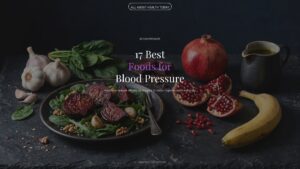
Nearly half of all American adults—roughly 120 million people—have high blood pressure, yet only about 1 in 4 have it under control. That’s a staggering gap between diagnosis and management. While medication saves lives, the food you put on your plate is arguably the most powerful, daily tool you have to bring those numbers down. The right foods don’t just mask symptoms; they address the underlying physiology—relaxing blood vessels, flushing out excess sodium, and taming the chronic inflammation that stiffens arteries over time.
This guide walks you through 17 of the most science-backed foods for lowering blood pressure—each supported by clinical research, not just tradition. You’ll learn exactly why they work, what the evidence says, and how to fit them into real meals. We’ve also included a quick-reference table, an FAQ addressing the most common questions, and links to related articles across All About Health Today for deeper dives into the mechanisms at play.
🥬 1. Leafy Greens: Spinach, Kale & Swiss Chard
🥬 Leafy Greens
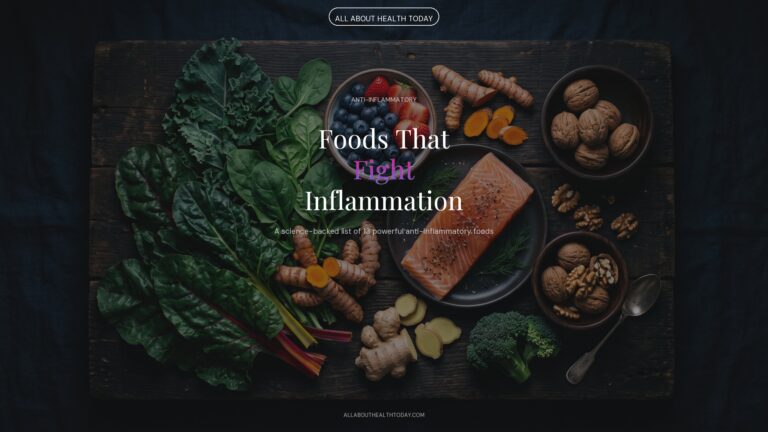
Leafy greens are nature’s original blood pressure medicine. They’re packed with dietary nitrates, which the body converts into nitric oxide—a signaling molecule that tells blood vessels to relax and widen. A 7-day randomized crossover trial found that high-nitrate spinach soup (~845 mg nitrate/day) reduced central systolic blood pressure by 4.05 mmHg and significantly improved arterial stiffness in healthy adults.
On a population level, the numbers are even more compelling. A landmark Danish study tracking over 50,000 people for 23 years found that those eating the most nitrate-rich vegetables had ~2.5 mmHg lower systolic BP and a 12–26% lower risk of cardiovascular disease—and the sweet spot was just one cup of raw (or half a cup of cooked) greens per day. The researchers found no additional benefit beyond that modest serving, which makes this one of the easiest dietary interventions you can adopt.
How to eat it: Add a handful of spinach to smoothies, sauté Swiss chard with garlic and olive oil, or use kale as a base for salads. Cooking doesn’t destroy nitrates—in fact, lightly cooking greens can make their nutrients more bioavailable.
🟣 2. Beets & Beetroot Juice
🟣 Beets
If leafy greens are the marathon runners of blood pressure control, beets are the sprinters. A systematic review and meta-analysis of randomized clinical trials found that beetroot juice significantly reduced systolic BP by an average of −4.95 mmHg in hypertensive patients, with dosages ranging from 70–250 mL daily over 3–60 days.
The mechanism is the same nitrate-to-nitric-oxide pathway, but beets deliver an unusually concentrated dose. In one acute trial, a single dose of nitrate-rich beetroot juice lowered aortic systolic BP by 5.2 mmHg within 30 minutes in healthy adults—though the effect was short-lived, underscoring that regular intake matters more than one-off shots. A 2-week pilot in older adults showed systolic BP drops of ~6 mmHg and diastolic drops of ~4 mmHg, alongside measurable improvements in endothelial function.
How to eat it: Roast whole beets with olive oil and herbs, blend raw beets into smoothies, or drink 150–250 mL of unsweetened beetroot juice. Note: don’t be alarmed if your urine turns pinkish—it’s harmless and called beeturia.
🫐 3. Berries: Blueberries & Strawberries
🫐 Berries
Berries punch far above their weight. Their deep blue, red, and purple hues come from anthocyanins—flavonoid compounds that improve endothelial function and increase nitric oxide bioavailability. A major observational study found that people with the highest anthocyanin intake—mainly from blueberries and strawberries—had an 8% lower risk of developing hypertension, and that jumped to 12% in those over 60. Just one serving of blueberries per week was linked to a 10% risk reduction.
Newer research has added a fascinating twist: the gut microbiome appears to be a critical mediator. A 2021 study published in Hypertension found that eating 1.6 servings of berries per day was associated with an average systolic BP reduction of 4.1 mmHg, and roughly 12% of that effect was explained by the composition of gut bacteria. In other words, flavonoids and your microbiome are working as a team—which also connects to the broader picture of chronic inflammation and metabolic health.
How to eat it: Add fresh or frozen berries to oatmeal and yogurt, blend into smoothies, or eat them straight as a snack. Frozen berries are nutritionally comparable to fresh and are often more affordable year-round.
🍌 4. Bananas
🍌 Bananas
The banana’s reputation as a blood pressure food is well-earned. A medium banana delivers about 420 mg of potassium—a mineral that directly counterbalances sodium. Potassium tells your kidneys to excrete more sodium through urine and helps relax blood vessel walls. The American Heart Association recommends 3,500–5,000 mg of potassium daily for those managing hypertension—something the typical Western diet falls far short of.
While bananas aren’t the highest-potassium food (sweet potatoes, spinach, and beans beat them), they’re arguably the most convenient. They require zero prep, travel well, and provide a quick carb source alongside the potassium. Their natural sweetness also makes them a smart substitute for added sugar in baked goods and smoothies—relevant for anyone navigating blood sugar dysregulation, which often co-occurs with hypertension.
How to eat it: One medium banana as a snack, sliced into oatmeal or overnight oats, or frozen and blended into “nice cream” as a dessert alternative.
🐟 5. Fatty Fish: Salmon, Mackerel & Sardines
🐟 Fatty Fish
Fatty fish are the richest dietary source of long-chain omega-3 fatty acids EPA and DHA. A 2022 meta-analysis published in the Journal of the American Heart Association found that consuming about 3 grams of omega-3s daily—roughly 4–5 ounces of salmon—reduced systolic BP by ~2 mmHg in the general population and by ~4.5 mmHg in those with hypertension. While those numbers look modest, they’re dose-dependent, and importantly, the benefit comes packaged with broad cardiovascular protection—improved lipid profiles, reduced triglycerides, and anti-inflammatory effects that address the root of arterial damage.
The anti-inflammatory angle is critical. Omega-3s are precursors to resolvins and protectins—specialized pro-resolving mediators that actively turn off inflammation, not just suppress it. For people dealing with both hypertension and chronic inflammation, fatty fish addresses two problems with one fork.
How to eat it: Aim for 2–3 servings per week. Bake or grill salmon with herbs, add sardines to salads or whole-grain toast, or use mackerel in fish cakes. Canned options (in water or olive oil) count.
🧄 6. Garlic
🧄 Garlic
Garlic isn’t just folklore—it’s pharmacology in a clove. A 2024 meta-analysis of 9 RCTs with 584 participants found that aged garlic extract lowered systolic BP by 4.03 mmHg and diastolic by 1.44 mmHg, with the most pronounced effects at doses above 1,200 mg/day. An earlier, broader review found that garlic supplements could lower systolic BP by 8–10 mmHg and diastolic by 5–6 mmHg in hypertensive individuals—reductions comparable to some first-line antihypertensive medications.
Garlic’s active compound, allicin, works through multiple pathways: it activates nitric oxide synthase (boosting nitric oxide production), mildly inhibits angiotensin-converting enzyme (ACE), and provides sulfur compounds that support the body’s endogenous antioxidant systems. The catch? Allicin is unstable. It degrades quickly, especially with heat. Crushing or chopping garlic and letting it sit for 10 minutes before cooking helps preserve its activity, and raw garlic provides the most potent effect—if your social life can handle it.
How to eat it: Add crushed raw garlic to salad dressings, pesto, and hummus. For cooked dishes, crush first, rest 10 minutes, then sauté briefly. Roasted whole cloves are milder and still beneficial.
🥛 7. Yogurt & Fermented Dairy
🥛 Yogurt
Yogurt consistently shows up in long-term studies as protective against hypertension. Pooled analyses from the Nurses’ Health Study and Health Professionals Follow-Up Study found that people eating 5+ servings of yogurt per week had a 16% lower risk of developing high blood pressure, and when combined with a DASH-style diet, that protection jumped to a 30% risk reduction. A 2024 Framingham Heart Study analysis confirmed the pattern—regular yogurt consumption was linked to smaller annual increases in systolic BP over time.
Yogurt’s blood pressure benefit likely comes from a three-part mechanism: its calcium and magnesium content (both essential for vascular tone), bioactive peptides released during fermentation that act as natural ACE inhibitors, and probiotics that may shift the gut microbiome in BP-friendly directions. This gut connection ties into the same pathways discussed in our coverage of HPA axis dysfunction, where gut health plays a mediating role in stress-related BP spikes.
How to eat it: Choose plain, unsweetened yogurt (Greek or regular). Add berries, nuts, and a drizzle of honey to control sugar content. Avoid flavored yogurts, which can pack 20+ grams of added sugar per serving.
❤️ 8. Pomegranate
❤️ Pomegranate
Pomegranate has emerged as one of the most consistently studied fruits for blood pressure. A meta-analysis of 14 clinical trials involving 573 participants found that pomegranate juice reduced systolic BP by 5.02 mmHg and diastolic by 2.01 mmHg. An even larger 2023 analysis of 33 RCTs confirmed a reduction of 3.52 mmHg systolic and 1.50 mmHg diastolic.
The star player is punicalagin—an ellagitannin unique to pomegranates that appears to inhibit ACE activity in a way similar to prescription ACE inhibitors, though far more gently. Pomegranate polyphenols also scavenge free radicals that would otherwise degrade nitric oxide, effectively preserving the body’s own vasodilation capacity. In one study, hypertensive men drinking just 150 mL of pomegranate juice daily saw systolic BP drop by 7% and diastolic by 6%.
How to eat it: Eat fresh pomegranate arils as a snack or salad topper, or drink 150–300 mL of unsweetened 100% pomegranate juice daily. Whole fruit provides fiber that juice lacks, but both forms deliver the polyphenols.
🍫 9. Dark Chocolate (70%+ Cacao)
🍫 Dark Chocolate
Yes, chocolate made the list—but with an important caveat: we’re talking dark chocolate with at least 70% cocoa, not milk chocolate bars. A 2025 meta-analysis covering studies from 1946 to 2024 found that consistent intake of flavan-3-ols (the key flavonoids in cocoa) produced blood pressure reductions comparable to some medications, particularly in those with elevated baseline BP. A separate Cochrane review concluded that flavanol-rich cocoa reduced systolic BP by 2.77 mmHg and diastolic by 2.20 mmHg on average.
The mechanism is elegant: cocoa flavanols increase the bioavailability of nitric oxide by activating endothelial nitric oxide synthase (eNOS), and they also reduce the expression of endothelin-1, a potent vasoconstrictor. The result is relaxed, more responsive arteries. Optimal effects appear around 710 mg of total flavanols—roughly 20–30 grams of high-quality dark chocolate (a couple of small squares). More is not better; the sugar and calories in chocolate can quickly cancel out the benefits.
How to eat it: 1–2 small squares (20–30g) of 70%+ dark chocolate daily. Look for brands listing cocoa as the first ingredient with minimal added sugar. Dutch-processed (alkalized) cocoa has significantly fewer flavanols—choose non-alkalized when possible.
🌾 10. Whole Grains: Oats, Quinoa & Barley
🌾 Whole Grains
Whole grains earn their spot through a combination of soluble fiber, magnesium, and their impact on insulin sensitivity—all of which affect blood pressure indirectly but powerfully. The DASH diet’s emphasis on whole grains isn’t arbitrary: multiple RCTs show that swapping refined grains for whole grains improves both systolic and diastolic BP, likely because whole grains reduce the glycemic response that triggers insulin-driven sodium retention.
Oats deserve special mention for their beta-glucan fiber, which also lowers LDL cholesterol. But the magnesium story may matter more for blood pressure. A cup of cooked quinoa provides about 118 mg of magnesium, and epidemiological data suggests that adequate magnesium intake is associated with lower BP across populations. The relationship between insulin resistance and hypertension also makes this relevant for anyone dealing with blood sugar dysregulation—the two conditions frequently travel together.
How to eat it: Steel-cut oats for breakfast, quinoa as a base for grain bowls, barley in soups and stews. Aim for at least 3 servings of whole grains daily, replacing white rice, white bread, and refined pasta.
🫒 11. Extra Virgin Olive Oil
🫒 Extra Virgin Olive Oil
Extra virgin olive oil (EVOO) is the cornerstone fat of the Mediterranean diet, and its blood pressure effects are primarily driven by polyphenols—not the monounsaturated fat content, as was once assumed. In the landmark PREDIMED trial, a Mediterranean diet supplemented with EVOO significantly improved endothelial function markers and reduced BP in hypertensive women compared to a low-fat control diet.
The key polyphenols—oleocanthal (which has ibuprofen-like anti-inflammatory properties), hydroxytyrosol, and oleuropein—work synergistically to increase nitric oxide, reduce oxidative damage to blood vessels, and lower systemic inflammation. Research suggests a threshold effect: EVOO with at least 161 mg/kg total phenols showed significant systolic BP reduction in as little as 3 weeks, while oils with 300+ mg/kg also reduced diastolic BP. Daily consumption of ~60 mL (4 tablespoons) of high-polyphenol EVOO lowered systolic BP by about 2.5 mmHg in healthy adults.
How to eat it: Use EVOO as your primary cooking fat (it’s stable at moderate heat), drizzle over vegetables and salads, or use as a bread dip instead of butter. Look for early-harvest or high-polyphenol labels for maximum benefit. Refined “light” olive oils have far fewer polyphenols.
🥜 12. Pistachios & Tree Nuts
🥜 Pistachios & Nuts
Nuts—particularly pistachios, walnuts, and almonds—are cardiovascular multitools. They deliver L-arginine (a nitric oxide precursor), magnesium, potassium, and healthy unsaturated fats, all in a snack-sized package. Pistachios specifically have the strongest BP-lowering evidence among nuts: multiple controlled trials show that 1–2 servings (about 1.5–3 oz) per day can reduce systolic BP by 2–4 mmHg. A meta-analysis of 21 RCTs found that pistachio consumption significantly reduced systolic BP without affecting diastolic BP.
Walnuts deserve their own mention for their omega-3 ALA content and their ability to improve endothelial function. In the Walnuts and Healthy Aging (WAHA) study, daily walnut consumption improved central BP measurements. The combination of L-arginine, magnesium, and anti-inflammatory polyphenols makes nuts a uniquely comprehensive BP-supporting food—they address nitric oxide production, vascular tone, and inflammation all at once.
How to eat it: A small handful (1–1.5 oz) daily. Choose unsalted varieties—salted nuts can offset the BP benefits with sodium. Add to salads, oatmeal, or eat as a standalone snack.
🌻 13. Seeds: Flax, Chia & Pumpkin
🌻 Seeds
Seeds punch far above their size. Flaxseeds, in particular, have strong BP evidence: a prospective, double-blinded RCT published in Hypertension found that 30 grams of milled flaxseed daily for 6 months reduced systolic BP by 10 mmHg and diastolic by 7 mmHg in patients with peripheral artery disease and hypertension—one of the largest diet-only BP reductions ever recorded in a clinical trial. The effect was attributed to flaxseed’s unique combination of ALA omega-3s, lignans (potent antioxidants), and fiber.
Chia seeds contribute a gel-forming soluble fiber that slows digestion and stabilizes blood sugar—indirectly supporting BP by reducing insulin-driven sodium retention. Pumpkin seeds are rich in magnesium (168 mg per ounce), and a meta-analysis of 34 RCTs found that magnesium supplementation (median 368 mg/day for 3 months) reduced systolic BP by 2.00 mmHg. The synergy between these seeds’ nutrients—fiber, minerals, and healthy fats—makes them an easy, shelf-stable addition to any hypertension-friendly diet.
How to eat it: Add 1–2 tablespoons of ground flaxseed or chia seeds to smoothies, oatmeal, or yogurt. Pumpkin seeds make a crunchy salad topper or snack. Grind flaxseeds—whole seeds pass through undigested.
🫘 14. Legumes: Lentils, Beans & Chickpeas
🫘 Legumes
Legumes are the unsung heroes of blood pressure nutrition—affordable, shelf-stable, and powerful. A systematic review and meta-analysis of 8 RCTs found that dietary pulses (beans, lentils, chickpeas, peas) significantly reduced systolic BP in both hypertensive and normotensive individuals. One cup of cooked lentils delivers about 730 mg of potassium, 71 mg of magnesium, and 16 grams of fiber—a nutritional triple threat for vascular health.
The fiber story matters here: legumes’ soluble fiber slows glucose absorption (preventing insulin spikes that trigger sodium retention), feeds gut bacteria that produce short-chain fatty acids (SCFAs) with direct BP-lowering effects, and binds to bile acids to improve cholesterol profiles. There’s also emerging evidence that legume-rich diets shift the gut microbiome in ways that improve vascular function—connecting diet, gut health, and BP in the same way our article on nervous system regulation explores the gut-brain axis connection to cardiovascular health.
How to eat it: Swap half the meat in soups and stews for lentils or beans. Roast chickpeas with spices for a crunchy snack. Use bean-based pasta or lentil-based soups. Canned beans are fine—just rinse them to reduce sodium.
🍅 15. Tomatoes
🍅 Tomatoes
Tomatoes are a rich source of lycopene—the carotenoid that gives them their red color and doubles as a potent antioxidant with specific cardiovascular benefits. A 2019 meta-analysis of 21 studies found that higher lycopene intake and serum lycopene levels were associated with significantly lower systolic BP (−2.63 mmHg per 10 mg/day increase in lycopene intake). A 2021 RCT found that daily tomato extract supplementation reduced both systolic and diastolic BP in grade 1 hypertensive patients over 8 weeks.
Interestingly, cooked and processed tomatoes (sauce, paste, juice) provide more bioavailable lycopene than raw tomatoes, because heat and processing break down cell walls and convert lycopene to a more absorbable form. This is one of the rare cases where processing actually enhances a food’s health benefit. However, watch the sodium in commercial tomato sauces—low-sodium or homemade versions are better for BP management.
How to eat it: Cook tomatoes into sauces, add fresh tomatoes to salads, or drink low-sodium tomato juice. Cooking with a small amount of olive oil further enhances lycopene absorption since it’s fat-soluble.
🍉 16. Watermelon
🍉 Watermelon
Watermelon is far more than summer hydration. It’s one of the richest dietary sources of L-citrulline, an amino acid that the body converts to L-arginine, which then feeds into the nitric oxide production pathway. A 2014 RCT published in the American Journal of Hypertension found that 6 weeks of watermelon extract supplementation (providing 6 grams of L-citrulline/L-arginine daily) reduced ankle and brachial systolic BP in prehypertensive and hypertensive adults, with more pronounced effects in those with higher starting BP.
Watermelon also provides lycopene (yes, the red pigment is the same one found in tomatoes), vitamin C, and potassium, so its BP benefits likely come from multiple compounds working together. The citrulline content is highest in the white rind near the outer edge—the part most people throw away. Pickled watermelon rind and rind-based smoothies are creative ways to capture this often-discarded nutrition.
How to eat it: Fresh watermelon as a snack or dessert, blended into agua fresca, or in salads with feta and mint. Consider blending some of the white rind into smoothies for extra citrulline. Watermelon juice without added sugar also works well.
🍠 17. Sweet Potatoes
🍠 Sweet Potatoes
Sweet potatoes round out our list as a potassium powerhouse—a medium baked sweet potato with skin delivers about 540 mg of potassium, more than a banana. They’re also rich in magnesium (33 mg per medium potato) and fiber (4 grams), offering the same sodium-flushing, vessel-relaxing benefits through multiple mechanisms.
What distinguishes sweet potatoes from white potatoes (which also have potassium) is their lower glycemic impact and their beta-carotene content—a precursor to vitamin A that also functions as an antioxidant. The orange-fleshed varieties are particularly rich in carotenoids, while purple sweet potatoes add anthocyanins to the mix. Their fiber content also supports stable blood sugar, which matters because post-meal blood sugar spikes trigger insulin release that can cause the kidneys to retain sodium—a mechanism explored in our article on blood sugar dysregulation. By promoting gentler glucose curves, sweet potatoes help break this cycle.
How to eat it: Roast or bake whole (keep the skin), mash with a touch of olive oil and garlic, or slice into wedges and bake as fries. Avoid marshmallow-topped casseroles—the added sugar works against the BP benefits.
📊 Quick Reference: All 17 Foods at a Glance
| Food | Key Nutrients | BP-Lowering Mechanism | How to Eat It |
|---|---|---|---|
| 🥬 Leafy Greens | Dietary nitrates, potassium, magnesium | Nitrate → nitric oxide → vasodilation | Salads, smoothies, sautéed with garlic & EVOO |
| 🟣 Beets | Inorganic nitrates, betalains | Nitrate → nitric oxide; potent acute vasodilator | Roasted, juiced (150–250 mL), or in smoothies |
| 🫐 Berries | Anthocyanins, vitamin C, fiber | Endothelial function, NO bioavailability, gut microbiome | Fresh or frozen in oatmeal, yogurt, smoothies |
| 🍌 Bananas | Potassium (420 mg/medium), vitamin B6 | Sodium excretion, vascular relaxation | Snack, smoothies, oatmeal, “nice cream” |
| 🐟 Fatty Fish | EPA/DHA omega-3s, vitamin D | Anti-inflammatory, improved endothelial function | 2–3 servings/week; bake, grill, or canned |
| 🧄 Garlic | Allicin, sulfur compounds | NOS activation, mild ACE inhibition | Raw in dressings; crushed + 10 min rest before cooking |
| 🥛 Yogurt | Calcium, bioactive peptides, probiotics | ACE-inhibitory peptides, gut-mediated BP effects | Plain, unsweetened; 5+ servings/week |
| ❤️ Pomegranate | Punicalagin, ellagic acid, anthocyanins | ACE inhibition, NO preservation | Fresh arils or 150–300 mL unsweetened juice |
| 🍫 Dark Chocolate | Flavan-3-ols, magnesium | eNOS activation, endothelin-1 reduction | 20–30g of 70%+ cocoa daily |
| 🌾 Whole Grains | Soluble fiber, magnesium, B vitamins | Improved insulin sensitivity, Mg-mediated relaxation | 3+ servings/day; oats, quinoa, barley, brown rice |
| 🫒 EVOO | Oleocanthal, hydroxytyrosol, oleuropein | NO production, anti-inflammatory | Primary cooking fat; 2–4 tbsp/day high-polyphenol EVOO |
| 🥜 Nuts | L-arginine, magnesium, potassium | NO precursor, vascular relaxation | 1–1.5 oz/day unsalted; pistachios, walnuts, almonds |
| 🌻 Seeds | ALA omega-3, lignans, magnesium, fiber | Multi-pathway: NO, anti-inflammatory, glycemic control | 1–2 tbsp ground flax/chia daily; pumpkin seeds as snack |
| 🫘 Legumes | Potassium, magnesium, fiber, plant protein | Sodium balance, gut SCFAs, improved glycemia | Swap for meat in soups/stews; roasted chickpeas |
| 🍅 Tomatoes | Lycopene, potassium, vitamin C | Antioxidant endothelial protection | Cooked (sauce, paste) for better absorption |
| 🍉 Watermelon | L-citrulline, lycopene, potassium | Citrulline → arginine → nitric oxide | Fresh, juiced, or rind in smoothies |
| 🍠 Sweet Potatoes | Potassium (540 mg/med), magnesium, fiber | Sodium excretion, glycemic stability | Baked/roasted with skin; olive oil mash |
🔑 The Big Picture: It’s the Pattern, Not Any Single Food
While each food on this list brings unique mechanisms to the table, the real magic happens when you combine them into a dietary pattern. The DASH diet—which emphasizes all of these foods while limiting sodium, added sugars, and processed meats—consistently produces BP reductions of 5–11 mmHg in clinical trials. That’s medication-level impact from food alone.
Here’s the practical takeaway: you don’t need to eat all 17 foods every day. Aim to include 4–6 of these foods daily across your meals, keep sodium under 2,300 mg (ideally under 1,500 mg if you have hypertension), and maintain this pattern consistently. The foods work together—the nitric oxide boost from beets and greens, the potassium from bananas and sweet potatoes, the anti-inflammatory omega-3s from fatty fish, the ACE-modulating effects from garlic and pomegranate—creating a network effect that no single food can replicate.
If you’re on blood pressure medication, do not stop it or change your dose based on dietary changes without consulting your doctor. These foods complement medical treatment—they don’t replace it. But for many people, consistent dietary improvements may reduce the number or dosage of medications needed over time, under medical supervision.

❓ Frequently Asked Questions
Some effects are almost immediate. A single dose of beetroot juice can lower systolic BP within 30 minutes, though the effect is temporary. More meaningful, sustained reductions typically appear within 2–4 weeks of consistent dietary changes. The DASH-Sodium trial showed significant BP reductions at the 30-day mark, and longer-term studies suggest the benefits continue to accrue over months. The key insight: acute effects are real but transient—only consistent dietary patterns produce lasting BP improvement.
No. Do not stop or modify blood pressure medication without your doctor’s guidance. These foods are powerful complements, not substitutes. That said, dietary changes can amplify medication effectiveness and, in some cases (under medical supervision), allow for dosage reduction. Garlic, for example, has shown BP reductions comparable to some first-line medications in meta-analyses, but its effects vary by individual, and consistency of intake matters enormously. Always discuss dietary changes and any interest in medication adjustment with your prescribing physician.
The DASH diet’s standard target is under 2,300 mg of sodium per day (about 1 teaspoon of salt), with a lower-sodium version at 1,500 mg recommended for those with hypertension, African Americans, and middle-aged/older adults. The DASH-Sodium trial showed the biggest BP reductions when the DASH eating pattern was combined with the 1,500 mg sodium target. Practically: cook from scratch when possible, read labels (anything over 400 mg sodium per serving is high), and use herbs, spices, lemon juice, and garlic for flavor instead of salt. The potassium in the foods on this list also helps your body excrete excess sodium.
Frozen: yes. Frozen fruits and vegetables are typically flash-frozen at peak ripeness, preserving most of their nutrients—including nitrates, potassium, and flavonoids. Frozen berries, spinach, and beets are excellent, affordable options. Canned: it depends. Canned beans, tomatoes, and fish are fine, but watch for added sodium. Always rinse canned beans (removes ~40% of sodium), choose low-sodium or no-salt-added canned vegetables, and opt for canned fish packed in water or olive oil rather than brine. Canned tomatoes actually have more bioavailable lycopene than raw—a rare benefit of processing.
Stress doesn’t “cancel” dietary benefits, but it can work against them. Chronic stress elevates cortisol, which promotes sodium retention, increases vascular resistance, and can drive HPA axis dysfunction—all of which raise blood pressure. Stress also tends to push food choices toward high-sodium, high-sugar comfort foods. The best approach is to combine these foods with stress management: even 5–10 minutes of deep breathing after a meal can shift your nervous system toward parasympathetic (rest-and-digest) mode, complementing the vascular benefits of the food. Our article on nervous system regulation explores these mechanisms in detail.