

Introduction
Arthritis isn’t a single condition — it’s an umbrella term covering over 100 different joint diseases affecting more than 58.5 million adults in the United States alone. For the 1 in 4 adults living with arthritis, joint pain, stiffness, and swelling aren’t just occasional annoyances — they’re daily realities that shape every decision, from what shoes to wear to what to eat for breakfast.
- ✅ Certain foods and drinks directly increase joint inflammation and arthritis pain
- ✅ Top offenders: sugar, refined carbs, red/processed meat, alcohol, fried foods, excess salt
- ✅ Nightshades (tomatoes, peppers, eggplant) affect some people — test your own sensitivity
- ✅ Replace with: omega-3 rich fish, olive oil, nuts, leafy greens, and anti-inflammatory spices
Here’s what many people don’t realize: what’s on your plate can directly influence what’s happening in your joints. A growing body of scientific research has identified specific foods and beverages that can trigger or worsen the systemic inflammation driving arthritis pain. The good news? Many of these triggers are under your control.
In this guide, we break down 10 categories of foods and beverages to avoid with arthritis — backed by published research, not anecdotes. We’ll also cover what to eat instead and answer the most common questions about diet and joint pain.
Board Certified Internist • July 12, 2026
Why Your Diet Affects Arthritis Pain
The connection between food and joint pain comes down to one word: inflammation. In osteoarthritis (OA) — the “wear-and-tear” type — inflammation accelerates cartilage breakdown. In rheumatoid arthritis (RA) — an autoimmune form — the immune system mistakenly attacks joint linings, triggering a cascade of inflammatory chemicals, according to the Arthritis Foundation.
Certain foods fuel this fire by:
- Increasing pro-inflammatory cytokines like interleukin-6 (IL-6) and tumor necrosis factor-alpha (TNF-α)
- Raising C-reactive protein (CRP) — a key blood marker of systemic inflammation
- Disrupting the gut microbiome — your gut bacteria influence inflammation levels throughout your body, including your joints. A 2025 Nutrients journal review found that ultra-processed foods can damage the gut lining and directly activate inflammatory genes
- Promoting oxidative stress — cellular damage that worsens joint degeneration, similar to how blood sugar dysregulation creates a cascade of metabolic damage throughout the body
Studies show that dietary changes can reduce pain, stiffness, and medication needs within weeks — not months. The flip side is equally powerful: the wrong foods can trigger flares that last for days.
1. Added Sugars & Sugary Beverages
The #1 Inflammatory Food Trigger
Sugar is arguably the most well-documented dietary inflammatory trigger. When you consume excess added sugar, your body releases pro-inflammatory cytokines and increases insulin levels, which can amplify the inflammatory response in joints — the same mechanism behind chronic, low-grade inflammation linked to nearly every modern disease. A landmark study published in the American Journal of Clinical Nutrition found that women who consumed just one sugary soda per day had a 63% higher risk of developing rheumatoid arthritis.
Watch out for: Soda, sweetened teas, fruit juices with added sugar, candy, pastries, breakfast cereals, flavored yogurts, barbecue sauce, and “healthy” granola bars (many pack 15–25g of sugar). Read labels — sugar hides under 60+ names including high-fructose corn syrup, dextrose, maltose, and evaporated cane juice. For a deeper look, see our article on how sugar affects your body beyond just inflammation.
2. Ultra-Processed Foods
Convenience at the Cost of Your Joints
Ultra-processed foods — think packaged snacks, frozen meals, and fast food — are engineered with additives, preservatives, refined grains, and inflammatory fats. A 2025 review in Nutrients concluded that these foods negatively alter gut bacteria, damage the intestinal lining, and directly activate inflammatory genes. Research published in Frontiers in Nutrition further suggests that diets high in ultra-processed foods increase the risk of developing rheumatoid arthritis by contributing to both inflammation and obesity.
Watch out for: Packaged chips and crackers, frozen pizza, instant noodles, microwave dinners, processed cheese products, packaged cookies, and most items with more than 5 ingredients you can’t pronounce.
3. Red & Processed Meats
Higher Inflammatory Markers, Higher Pain
Multiple studies have linked red and processed meat consumption to elevated levels of inflammatory markers including IL-6, CRP, and homocysteine, as documented in a large-scale analysis in the American Journal of Clinical Nutrition. A 2024 Mendelian randomization study — one of the strongest types of observational research — found a positive causal association between beef intake and rheumatoid arthritis risk. A 2019 review of dietary interventions concluded that plant-based diets excluding red meat significantly improved arthritis symptoms including pain, joint swelling, and morning stiffness.
Watch out for: Beef, pork, lamb, bacon, sausage, hot dogs, deli meats, jerky, and ham. Even “lean” cuts contribute to the inflammatory load when consumed regularly.
4. Trans Fats & Excess Saturated Fats
The Industrial Fats Your Joints Hate
Trans fats are among the most harmful substances in the modern food supply. Multiple studies confirm they trigger systemic inflammation and worsen arthritis symptoms. Saturated fats — found in pizza, cheese, and grain-based desserts — have been shown to trigger inflammation directly in adipose (fat) tissue, creating a vicious cycle where inflammation promotes more inflammation. This dietary pattern also contributes to HPA axis dysfunction by increasing the body’s overall stress load.
Watch out for: Anything with “partially hydrogenated oils” (trans fats), fried foods, commercial baked goods, margarine, shortening, and excessive amounts of butter, cheese, and fatty cuts of meat.
5. Excess Omega-6 Fatty Acids
When the Balance Tips Toward Inflammation
Omega-6 fatty acids aren’t inherently bad — they’re essential nutrients. The problem is ratio. The modern Western diet contains up to 20 times more omega-6s than omega-3s, when the ideal ratio is closer to 4:1 or even 2:1. As research published in Nutrients explains, excess omega-6s (particularly arachidonic acid) are precursors to pro-inflammatory compounds that can worsen joint pain and swelling. The solution isn’t eliminating omega-6s entirely — it’s boosting omega-3 intake to restore balance. This is the same anti-inflammatory principle behind the nervous system regulation strategies that support whole-body health.
Watch out for: Corn oil, soybean oil, sunflower oil, safflower oil, vegetable oil blends, mayonnaise, and most processed snack foods. These oils dominate restaurant cooking and packaged foods.
6. Refined Carbohydrates
Blood Sugar Spikes Feed Inflammation
White bread, white pasta, and pastries cause rapid blood sugar spikes that trigger the release of advanced glycation end products (AGEs) — compounds that promote inflammation and accelerate joint tissue damage. A 2021 clinical study found that rheumatoid arthritis patients who eliminated gluten, lactose, and red meat from their diet experienced significant improvements in pain and inflammatory markers. For more on how different types of carbohydrates affect your body, read our breakdown of fruit sugar vs. added sugar and why your body processes them completely differently.
Watch out for: White bread, white rice, regular pasta, pastries, crackers made with refined flour, and most breakfast cereals. Swap for whole-grain or legume-based alternatives.
7. High-Sodium Foods
Salt’s Surprising Link to Joint Damage
A 2024 study in Osteoarthritis and Cartilage identified a direct association between high salt intake and knee osteoarthritis risk. Excess sodium may promote inflammation through multiple pathways, including activation of Th17 immune cells — the same cells implicated in autoimmune forms of arthritis. High-salt diets have also been linked to increased cartilage degradation in animal models, and this type of systemic stress can contribute to the chronic inflammation that underlies many modern health conditions.
Watch out for: Restaurant meals (a single restaurant entree can contain 3,000+ mg sodium — more than the daily limit), pizza, burgers, deli sandwiches, chips, canned soups, soy sauce, and most frozen meals.
8. Alcohol
The Dose Makes the Poison
The relationship between alcohol and arthritis is complex and dose-dependent. While 2024 research in Arthritis & Rheumatology found that low-to-moderate alcohol consumption might slightly reduce RA risk, this benefit disappeared — and reversed — at higher intake levels (roughly 4 pints of beer or 3.5 glasses of wine per week). Alcohol is also a diuretic, which can lead to dehydration — a known trigger for arthritis pain flares and gout attacks. For people taking methotrexate or other arthritis medications, alcohol carries additional liver toxicity risks. Just as excess alcohol disrupts your body’s stress-response systems through HPA axis dysfunction, it simultaneously fuels the inflammatory cascade affecting your joints.
Bottom line: If you drink, limit to 1 drink/day for women and 2 for men — ideally less. If you have gout, alcohol (especially beer) is a known flare trigger and best avoided entirely.
9. Nightshade Vegetables
Controversial — But Real for Some
Tomatoes, potatoes, eggplants, and peppers belong to the nightshade family. They contain solanine, a compound that some people report worsens their arthritis pain. The science here is nuanced: no large-scale studies have confirmed nightshades as a universal arthritis trigger, and these vegetables are rich in beneficial nutrients, as the Arthritis Foundation notes. However, individual sensitivities are real. The American College of Rheumatology recommends a practical approach: if you suspect nightshades trigger your pain, eliminate them for 2–3 weeks, then reintroduce one at a time to test your response.
Don’t cut them out preemptively — test systematically and only remove what actually affects you.
10. High-Purine Foods (Gout)
When Uric Acid Crystals Attack Your Joints
Gout — a particularly painful form of inflammatory arthritis — is directly triggered by elevated uric acid levels in the blood. When uric acid crystallizes in joints, it causes sudden, intense flares. Foods high in purines are the primary dietary trigger because the body breaks purines down into uric acid, as documented in a landmark New England Journal of Medicine study. Fructose-sweetened beverages are also a gout trigger because fructose metabolism increases uric acid production — another reason managing your blood sugar is essential for overall metabolic health.
Watch out for: Red meat, organ meats (liver, kidney), certain seafood (anchovies, sardines, mussels, scallops), beer, and liquor.
Quick Reference: What to Avoid vs. What to Eat Instead
| Avoid / Limit | Why It Hurts | Swap For |
|---|---|---|
| Sugary drinks & sweets | Increases cytokines, CRP | Water, herbal tea, fresh fruit |
| Ultra-processed snacks | Damages gut lining, activates inflammatory genes | Nuts, seeds, hummus, fresh vegetables |
| Red & processed meats | Elevates IL-6, CRP, homocysteine | Fatty fish (salmon, sardines), legumes, tofu |
| Trans & saturated fats | Systemic inflammation, adipose-tissue inflammation | Olive oil, avocado, nuts |
| Corn/soy/vegetable oils | Omega-6 overload, inflammatory imbalance | Extra-virgin olive oil, avocado oil |
| White bread, pasta, pastries | Blood sugar spikes, AGE formation | Whole grains, quinoa, legumes |
| High-sodium foods | Th17 immune activation, cartilage damage | Herbs, spices, lemon juice for seasoning |
| Excess alcohol | Inflammation, dehydration, gout flares | Sparkling water with citrus, kombucha (low sugar) |
| High-purine foods (gout) | Uric acid crystallization in joints | Low-fat dairy, eggs, plant-based proteins |
What to Eat Instead: The Anti-Inflammatory Plate
Eliminating trigger foods is only half the equation. Adding anti-inflammatory foods can actively reduce joint pain and stiffness. The Mediterranean diet — consistently ranked the #1 diet for overall health — is also the most evidence-backed eating pattern for arthritis management. This approach aligns with the broader strategy of reducing chronic inflammation at its source.
🐟 Fatty Fish (2–3 times/week)
Salmon, sardines, mackerel, and anchovies are rich in omega-3 fatty acids (EPA and DHA), which directly combat inflammation. A 2020 meta-analysis found that omega-3 supplementation significantly reduced joint pain intensity, morning stiffness, and NSAID use in arthritis patients.
🫒 Extra-Virgin Olive Oil
EVOO contains oleocanthal, a natural compound with anti-inflammatory effects similar to ibuprofen (but milder). Use as your primary cooking oil and in dressings. Aim for 2–3 tablespoons daily, which research suggests is the sweet spot for measurable anti-inflammatory benefits.
🫐 Berries & Colorful Produce
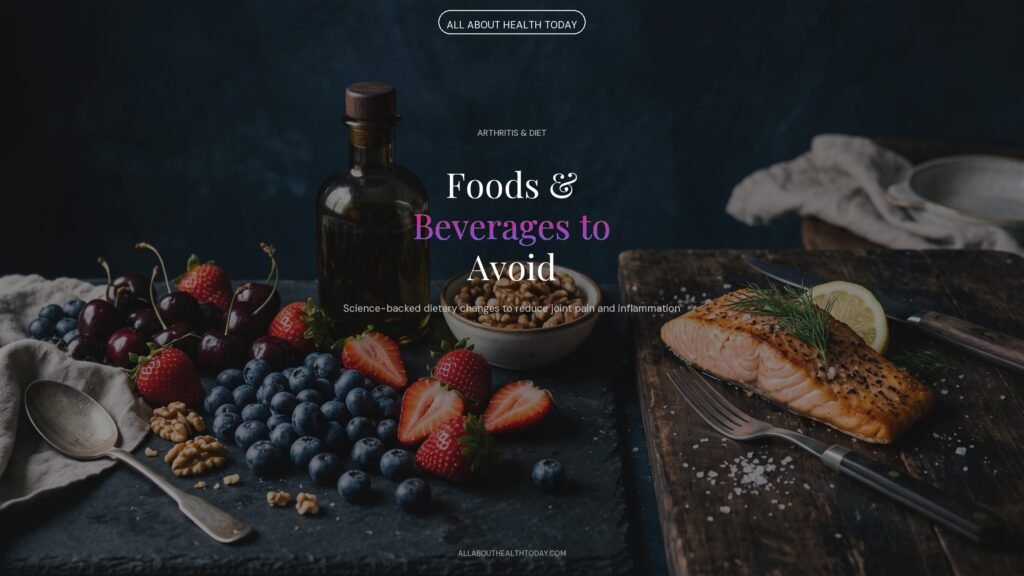
Blueberries, strawberries, cherries, and dark leafy greens are packed with antioxidants and polyphenols that neutralize oxidative stress and reduce inflammatory markers. Tart cherry juice, in particular, has been studied for gout prevention — and the broader benefits extend to managing blood sugar levels that influence inflammation.
🌰 Nuts, Seeds & Legumes
Walnuts, flaxseeds, chia seeds, and hemp seeds provide plant-based omega-3s (ALA). Lentils, chickpeas, and beans offer protein and fiber without the inflammatory effects of red meat. These foods also support the parasympathetic nervous system by providing steady, slow-release energy that doesn’t trigger stress responses.
⚠️ Important: Diet Is Complementary, Not a Cure
While dietary changes can significantly improve arthritis symptoms, they are not a replacement for medical treatment. Arthritis is a complex disease that often requires medication, physical therapy, and ongoing rheumatology care. Always consult your healthcare provider before making major dietary changes, especially if you take medications that may interact with certain foods (e.g., warfarin and leafy greens, methotrexate and alcohol). For more on how systemic health conditions interact, read our article on chronic inflammation and disease.
Frequently Asked Questions
Some people report noticeable improvement within 2–4 weeks of eliminating major trigger foods (especially sugar, processed foods, and red meat). However, full benefits of an anti-inflammatory eating pattern typically develop over 8–12 weeks as inflammatory markers gradually decrease. Consistency matters more than perfection — even reducing triggers by 70–80% produces measurable benefits, according to clinical research on dietary interventions.
No. For most people, an 80/20 approach works well — avoid the strongest triggers (sugar, processed foods, trans fats) most of the time, while allowing occasional exceptions. The goal is sustainable reduction, not perfection. That said, individuals with severe symptoms or autoimmune arthritis may benefit from stricter elimination, ideally under the guidance of a registered dietitian or rheumatologist. This balanced approach to health management mirrors how we recommend addressing chronic burnout and systemic stress — gradual, sustainable changes over crash diets.
The evidence is mixed. Eggs contain arachidonic acid, which can promote inflammation in some people. However, eggs also provide vitamin D, choline, and high-quality protein with anti-inflammatory potential. For most people with arthritis, moderate egg consumption (up to 1–2 per day) is fine. If you notice joint pain after eating eggs, try eliminating them for 2–3 weeks and monitoring your response — similar to the elimination-reintroduction protocol used for identifying food sensitivities.
The evidence on coffee is complex. Some studies link high coffee intake to increased arthritis risk, while others point to coffee’s anti-inflammatory polyphenols as potentially protective. A 2024 Mendelian randomization study in BMJ Open found each additional daily cup was associated with a small increase in arthritis risk. The consensus: 1–2 cups per day is likely fine for most people. Pay attention to how your body responds — if you notice increased joint pain with coffee, try reducing or switching to green tea, which has similar polyphenols with less caffeine. This echoes the same principle behind understanding how your body responds to different foods — individual responses vary significantly.
While diet soda eliminates the sugar, it introduces artificial sweeteners that may disrupt the gut microbiome — and gut health is increasingly linked to joint inflammation. Some studies suggest artificial sweeteners like aspartame can trigger inflammatory responses in sensitive individuals. Neither regular nor diet soda is recommended for arthritis. The best beverages are water, unsweetened herbal teas (ginger and turmeric are particularly anti-inflammatory), and sparkling water with citrus. For more on how sugar impacts your body, read our deep dive into the science behind sugar’s effects on your health.
The Bottom Line
Your diet is one of the most powerful tools you have for managing arthritis — and unlike medications, it comes with no prescription, no copay, and no side effects when done right. The evidence is clear: reducing added sugars, processed foods, red meat, inflammatory fats, and excess alcohol — while increasing fatty fish, olive oil, colorful produce, and whole foods — can measurably reduce joint pain, stiffness, and inflammatory markers.
Start with the “big four” that have the strongest evidence: cut sugar, minimize processed foods, swap red meat for fish, and use olive oil instead of vegetable oils. Give it 4 weeks and pay attention to how your joints feel. You might be surprised by what your plate can do.
Related Articles:
• Chronic Inflammation: The Silent Driver of Modern Disease
• Blood Sugar Dysregulation: The Hidden Cause of Fatigue, Cravings & Weight Gain
• Is Sugar More Addictive Than Cocaine? What the Science Actually Says
• Fruit Sugar vs. Added Sugar: Why Your Body Knows the Difference
• Nervous System Regulation: The Missing Pillar of Longevity
• HPA Axis Dysfunction: Why You’re Chronically Burnt Out Despite Rest