
The Supplement Industry Has a New Obsession — and This One Has Actual Data
For years, longevity science stayed in the lab. Researchers extended the lives of worms, flies, and mice with compounds that rarely reached human hands. That has changed. Three molecules — spermidine, fisetin, and urolithin A — have moved from journals into supplement bottles, and they are not riding on hype alone. Each has a defined mechanism, animal data showing lifespan extension, and, in several cases, human trials with measurable outcomes.
These three compounds target different aspects of cellular aging, which is part of what makes them interesting as a group. They are not redundant. Spermidine triggers autophagy, a cellular cleanup process. Fisetin hunts down and eliminates senescent “zombie” cells. Urolithin A rejuvenates mitochondria. Together, they hit three of the most fundamental drivers of biological aging. But the supplement aisle is not a pharmacy, and the gap between what works in a lab and what works in a bottle is wide — and poorly regulated.
Medically reviewed by
Dr. A. Collins, MD — Board Certified Internist
A word about how they were discovered. None came from drug screening libraries. Spermidine was identified because cultures with higher polyamine levels lived longer. Fisetin emerged from a flavonoid screen against senescent cells. Urolithin A was found by tracing pomegranate compounds through the human gut. These are not designer drugs — they are refined versions of things your body already encounters. Natural does not mean safe, and it does not mean effective at the doses sold in capsules.
Spermidine: The Fasting Mimetic You Can Eat
Spermidine is a polyamine found in every living cell. It is essential for cell growth, DNA stability, and protein synthesis. Levels decline with age, and that decline correlates with the onset of multiple age-related diseases.
Longevity researchers care about spermidine because of autophagy — the process cells use to break down and recycle damaged parts. It is one of the most conserved anti-aging mechanisms in biology. A 2024 Nature Cell Biology paper showed that spermidine triggers autophagy by modifying eIF5A, a translation factor that activates autophagy-related genes. Without spermidine, autophagy grinds to a halt — even during fasting. When researchers blocked spermidine synthesis in fasted animals, the lifespan-extending benefits of fasting disappeared. Spermidine may be the mechanism through which fasting produces its longevity effects.
Food sources matter. Wheat germ is the richest dietary source — a tablespoon contains roughly 5 to 7 milligrams of spermidine. Aged cheese, particularly cheddar and gouda, soybeans, mushrooms, and green peas also contribute. A typical Western diet delivers 7 to 15 milligrams daily. Mediterranean diets — heavy on wheat, legumes, and aged cheese — deliver closer to 25 to 30 milligrams, and higher intake correlates with reduced cardiovascular and all-cause mortality seen in those populations.
The epidemiological case for spermidine is strong. The Bruneck Study followed 829 adults aged 45 to 84 for fifteen years and found that the highest third of spermidine intake had roughly 40 percent lower risk of fatal heart failure compared to the lowest third. Total mortality was also significantly lower after adjusting for confounders. A separate analysis of 1,770 healthy adults followed for thirteen years replicated the finding: higher spermidine intake meant lower risk of dying from any cause.
On safety, a 2024 trial tested 40 milligrams of high-purity spermidine daily for 28 days in healthy older men and found no significant adverse effects, no changes in clinical lab values, and no dropouts due to side effects. That does not prove long-term safety, but it puts spermidine in a rare category: strong epidemiological backing plus at least short-term clinical safety data at supplement-level doses.
Fisetin: The Strawberry Flavonoid That Clears Zombie Cells
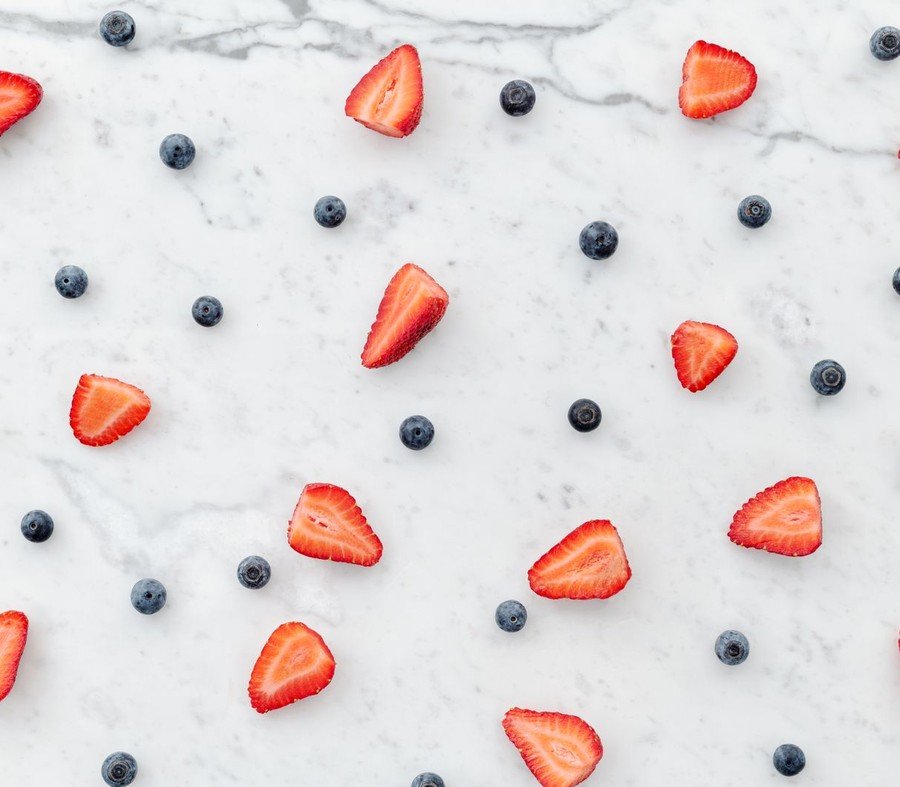
Fisetin is a flavonoid found in strawberries, apples, persimmons, onions, and cucumbers. Strawberries are the richest source at roughly 160 micrograms per gram of fresh fruit. To match doses used in human trials, you would need to eat 5 to 10 pounds of strawberries in one sitting — hence the supplement form.
Fisetin is classified as a senolytic — a compound that selectively kills senescent cells. These are cells that have stopped dividing but refuse to die. They accumulate in every tissue with age and secrete a toxic mix of inflammatory molecules that damage neighboring healthy tissue. Removing them in aged mice reverses frailty, cognitive decline, and kidney damage. Fisetin was identified as a senolytic in a 2018 Mayo Clinic screen of ten flavonoids — it was the most effective at killing senescent cells while sparing healthy ones. In aged mice, intermittent fisetin treatment reduced senescent cell burden across multiple tissues and extended median lifespan even when started late in life.
The human data is thinner but growing. A Mayo Clinic Phase II trial in older adults with frailty found reductions in inflammatory markers and senescent cell abundance. But not all results have been encouraging. A small longitudinal analysis tracked 19 people using a popular fisetin protocol and found a non-significant increase in epigenetic age acceleration — suggesting biological clocks trended older during supplementation. The sample was tiny and the study was not randomized, but it is a data point worth knowing.
There is also a bioavailability problem most marketing ignores. Oral fisetin produces barely quantifiable blood levels in human pharmacokinetic studies, and its intravenous half-life is roughly 2.7 minutes. The mouse studies showing lifespan extension used doses that, scaled to an 80-kilogram human, would translate to roughly 8 grams for two consecutive days. Consumer protocols use 1 to 1.5 grams. Mayo Clinic researcher Sundeep Khosla, who led a 2024 Phase II senolytics trial, explicitly cautioned against over-the-counter fisetin use, noting his findings “argue against what many people are already doing.”
Urolithin A: A Postbiotic That Fixes Broken Mitochondria
Urolithin A is different from spermidine and fisetin in one critical way: you cannot get it directly from food. It is a postbiotic — produced by gut bacteria when they metabolize ellagitannins from pomegranates, walnuts, and certain berries. Ellagitannins do nothing for mitochondria by themselves. They need conversion by specific gut bacteria, and only 30 to 40 percent of people carry the right strains. The rest produce little to no urolithin A regardless of pomegranate intake.
The mechanism is specific: urolithin A triggers mitophagy, the selective cleanup of damaged mitochondria. Mitochondria are the cell’s power plants, and with age they accumulate damage — DNA mutations, leaky membranes, declining energy output. Cells have a quality-control system that tags failing mitochondria for recycling, but that system slows with age. Urolithin A reactivates it by causing a drop in mitochondrial membrane potential, flagging damaged mitochondria for destruction and triggering the growth of new, functional replacements.
The human evidence is stronger than for most longevity compounds. A 2022 trial in JAMA Network Open tested 1,000 milligrams of urolithin A daily for two months in 66 adults aged 65 to 90. Muscle endurance — contractions until fatigue — improved significantly in both hand and leg muscles versus placebo. Plasma acylcarnitines dropped, and C-reactive protein fell. A separate four-month trial in middle-aged adults found that urolithin A at 500 and 1,000 milligrams daily improved hamstring strength by roughly 12 percent and knee flexion strength by roughly 10.5 percent. Muscle biopsies confirmed increased mitophagy and mitochondrial metabolism proteins.
Urolithin A is available as Mitopure, a proprietary form developed by Amazentis and now owned by Nestlé Health Science. It bypasses the gut microbiome lottery — you do not need the right bacteria. The downside is cost: $80 to $110 per month at studied doses. Generic urolithin A is emerging, but purity and dosing are inconsistent, and third-party testing is not yet standard. Safety data across trials lasting one to four months shows no serious adverse events and stable lab values. The muscle benefits are real but modest — a 12 percent strength gain is physiologically meaningful but not transformative. Urolithin A is a supporting actor, not the lead.
| Compound | What it targets | Evidence strength in this article | Dose stated in this article |
|---|---|---|---|
| Spermidine | Autophagy — triggers the cellular cleanup process by modifying eIF5A, a translation factor that activates autophagy-related genes. | Strongest epidemiological data of the three: the Bruneck Study followed 829 adults aged 45 to 84 for fifteen years and found the highest third of spermidine intake had roughly 40 percent lower risk of fatal heart failure; no randomized human trial is cited. | No supplement dose stated in this article. Dietary reference points: a tablespoon of wheat germ contains roughly 5 to 7 milligrams; a typical Western diet delivers 7 to 15 milligrams daily; Mediterranean diets deliver closer to 25 to 30 milligrams daily. |
| Fisetin | Senescent “zombie” cells — classified as a senolytic, selectively killing cells that have stopped dividing but refuse to die. | Best animal data, weakest human evidence: identified as a senolytic in a 2018 Mayo Clinic screen of ten flavonoids, and intermittent treatment extended median lifespan in aged mice. A Mayo Clinic Phase II trial in older adults with frailty found reductions in inflammatory markers and senescent cell abundance, but a small non-randomized analysis of 19 people found a non-significant increase in epigenetic age acceleration. | No daily dose stated in this article. Senolytic protocols are described as intermittent by design — two to three consecutive days of fisetin, then three to four weeks off; daily use has not been studied. |
| Urolithin A | Mitochondria — triggers mitophagy, the selective cleanup of damaged mitochondria, via a drop in mitochondrial membrane potential. | Strongest human trial data of the three: a 2022 trial in JAMA Network Open tested 1,000 milligrams daily for two months in 66 adults aged 65 to 90, with significantly improved muscle endurance versus placebo and falls in plasma acylcarnitines and C-reactive protein. A separate four-month trial found improved hamstring strength of roughly 12 percent and knee flexion strength of roughly 10.5 percent. | 1,000 milligrams daily (2022 JAMA Network Open trial); 500 and 1,000 milligrams daily (four-month middle-aged adult trial). Not available directly from food — it is a postbiotic, and only 30 to 40 percent of people carry the gut bacteria that produce it. |
Stacking Versus Rotating: Does It Matter?
A common question once someone learns about these three compounds is whether to take them together daily or cycle them. The honest answer is that no one has studied this. There are no clinical trials testing combinations.
Spermidine and urolithin A both activate autophagy but through different entry points — spermidine through eIF5A, urolithin A through PINK1/Parkin and PGC-1α for mitochondrial biogenesis. Since their mechanisms are distinct, there is a plausible argument for additive effects, though no human data confirms it. Both have been dosed daily in trials.
Fisetin is different. Senolytic protocols are intermittent by design — senescent cells take weeks to re-accumulate after a clearing event. A typical protocol involves two to three consecutive days of fisetin, then three to four weeks off. Daily use offers no known advantage and has not been studied. A speculative personal protocol — and this is not prescriptive — might look like daily spermidine and urolithin A with monthly two-day pulses of fisetin. But the safest approach is to introduce one compound at a time, track how you feel, and talk to a doctor before adding another.
The Supplement Quality Problem
None of these compounds are regulated as drugs. They are sold as dietary supplements, which means the FDA does not verify purity, potency, or even the presence of the listed ingredient before a product hits shelves. The gap between label and bottle can be large.
For spermidine, the main concern is sourcing. Most supplements use wheat germ extract, and spermidine content varies considerably depending on extraction quality. Third-party testing has found some products with less than half the labeled amount and others with none detectable. Look for a certificate of analysis from an independent lab. For fisetin, absorption is a bigger problem than purity — the body clears it very fast — but purity still matters, as flavonoids are easy to adulterate. For urolithin A, Mitopure dominates the market and has published quality-control standards; generic alternatives have opaque supply chains and minimal independent testing.
Who Should Think Twice
People with active cancer or a history of cancer should be cautious, particularly with spermidine. Polyamines support cell proliferation, and elevated levels have been found in certain aggressive cancers. Whether dietary spermidine supplementation increases cancer risk is unknown — the precautionary principle applies. Talk to your oncologist.
Fisetin removes senescent cells, and those cells play roles in wound healing, tissue repair, and possibly liver regeneration. Continuous or excessive senolytic use could impair these processes. People with impaired wound healing, liver disease, or anyone scheduled for surgery should avoid fisetin in the weeks before and after a procedure. Urolithin A has the cleanest safety profile, but the longest human data is four months. People with reduced kidney function should be cautious, as kidneys are mitochondrially dense organs.
Pregnant and breastfeeding women should avoid all three — not because they are known to be harmful, but because they are not known to be safe, and pregnancy is not the time for experiments. Anyone on prescription medications should check for interactions: spermidine may interact with MAO inhibitors, fisetin can affect CYP450 liver enzymes that metabolize blood thinners, statins, and certain antidepressants, and urolithin A’s metabolic pathway is not fully mapped.
Frequently Asked Questions
What is spermidine and why is it relevant for aging?
Is fisetin safe to take every day?
Can I get urolithin A from food instead of supplements?
Do these supplements actually extend human lifespan?
Are longevity supplements regulated?
Can I take spermidine, fisetin, and urolithin A all together?
The Bottom Line
Spermidine, fisetin, and urolithin A represent the first generation of longevity compounds with defined mechanisms, animal lifespan data, and preliminary human evidence. They are not miracle pills, and they are not substitutes for exercise, sleep, nutrition, and social connection — those still matter more than any supplement. But for people who have the fundamentals in place and want to go further, these three molecules offer a data-grounded starting point.
The order of evidence strength is worth stating clearly. Urolithin A has the best human trial data — randomized, placebo-controlled, with measurable functional outcomes. Spermidine has the best epidemiological data — large cohorts, long follow-up, consistent mortality signals. Fisetin has the best animal data but the weakest human evidence, with genuine questions about bioavailability and the gap between lab doses and consumer doses. If you are going to spend money on one, that order is a reasonable way to prioritize. But the smartest longevity investment is not a supplement. It is a blood panel to see what is actually happening in your body before you start changing it.