

What Are Electrolytes, Exactly?
Electrolytes are minerals that carry an electric charge when dissolved in body fluids like blood, sweat, and the fluid inside and around your cells. The six primary electrolytes are sodium, potassium, magnesium, calcium, chloride, and phosphate. Their electric charge is what makes them essential — your nerves fire, your muscles contract, your heart beats, and your cells hold onto or release water all because of the movement of these charged particles across cell membranes.
Think of them as the body’s electrical wiring. Without the right balance, signals don’t travel properly, muscles cramp, and fluid levels drift out of range. The body works hard to keep electrolyte concentrations tightly regulated — but diet, activity, illness, and certain medications can push things out of balance.
Meet the Six Key Electrolytes
Sodium: The Fluid Regulator (But Most People Get Too Much)
Sodium is the primary electrolyte in the fluid outside your cells. It controls blood volume, blood pressure, and the electrical signals that let nerves fire and muscles contract. Every nerve impulse depends on sodium rushing into the cell through specialized ion channels — that rush of positive charge is the spark that starts the signal.
The problem: the average American consumes roughly 3,400 mg of sodium per day, well above the 2,300 mg upper limit. Most comes from processed and restaurant foods, not the salt shaker. For sedentary people eating a standard Western diet, excess sodium is strongly linked to high blood pressure and cardiovascular risk. But sodium becomes a different story during heavy sweating, certain diets, and specific medical situations — topics we’ll cover below.
Potassium: The Counterbalance (And the One Most People Are Deficient In)
If sodium is the accelerator, potassium is the brake. It’s the main electrolyte inside your cells, pulling in the opposite direction of sodium — relaxing blood vessel walls, helping flush out excess sodium through urine, and keeping your heart rhythm steady. The Adequate Intake is 4,700 mg per day, yet the average intake hovers around 2,600 mg — barely half. Fewer than 3% of Americans meet the recommendation.
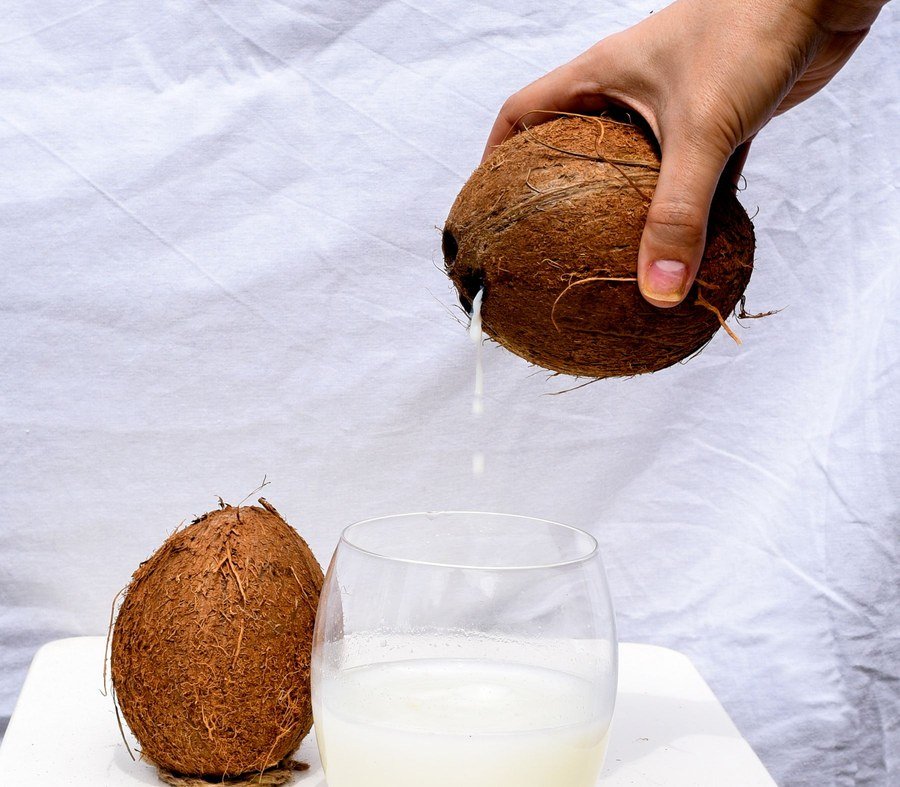
Adequate potassium is associated with lower blood pressure, reduced risk of kidney stones, and decreased bone loss. Good sources include bananas (about 420 mg each), potatoes with skin, spinach, avocados, beans, and coconut water. If you’re working on your blood pressure, potassium-rich foods deserve as much attention as cutting salt. For the full picture, see our complete guide to blood pressure.
Magnesium: The Enzyme Powerhouse
Magnesium is involved in more than 300 enzymatic reactions — from DNA synthesis and energy production to muscle relaxation and neurotransmitter regulation. It’s also essential for the sodium-potassium pump that maintains every cell’s electrical balance. Despite its importance, roughly half of Americans don’t get enough magnesium from food alone.
Deficiency is especially common with type 2 diabetes, gastrointestinal disorders, and use of proton pump inhibitors or diuretics. Low magnesium is linked to muscle cramps, poor sleep, anxiety, and long-term increased risk of hypertension and metabolic syndrome. Different forms have different absorption profiles — see our magnesium types comparison guide.
Calcium: More Than Just Bones
While 99% of the body’s calcium is stored in bones and teeth, the remaining 1% handles muscle contraction, nerve signaling, blood clotting, and hormone secretion. When a nerve tells a muscle to contract, calcium floods into the cell to trigger the contraction. Without it, your heart wouldn’t beat.
Calcium works in tandem with magnesium: calcium stimulates contraction while magnesium promotes relaxation. An imbalance — typically too much calcium relative to magnesium — can contribute to muscle tension and cramping.
Chloride and Phosphate: The Supporting Cast
Chloride follows sodium closely — table salt is sodium chloride — and most people get enough alongside their sodium intake. Its main jobs are maintaining fluid balance, regulating blood pH, and forming stomach acid for digestion. Low chloride is rare outside of prolonged vomiting or certain diuretics and kidney disorders.
Phosphate is a structural component of bones and teeth, but its most dynamic role is in energy metabolism — it’s part of ATP, the molecule your cells use as fuel. Deficiency is uncommon because phosphate is abundant in protein-rich foods, dairy, and whole grains.
| Electrolyte | What it does, per this article | Food sources named here | Signs of imbalance, per this article |
|---|---|---|---|
| Sodium | The primary electrolyte in fluid outside your cells. Controls blood volume, blood pressure, and the electrical signals that let nerves fire and muscles contract. The body’s main extracellular electrolyte; the average American consumes roughly 3,400 mg per day, well above the 2,300 mg upper limit, mostly from processed and restaurant foods. | Table salt; processed and restaurant foods (sweat contains 500 to 2,000 mg of sodium per liter) | Hyponatremia when heavy sweat losses are replaced with plain water alone: nausea, headache, confusion, and in severe cases seizures. Excess intake is strongly linked to high blood pressure and cardiovascular risk in sedentary people eating a standard Western diet. |
| Potassium | The main electrolyte inside your cells and the counterbalance to sodium: it relaxes blood vessel walls, helps flush out excess sodium through urine, and keeps heart rhythm steady. Adequate intake is associated with lower blood pressure, reduced risk of kidney stones, and decreased bone loss. | Bananas (about 420 mg each), potatoes with skin, spinach, avocados, beans, and coconut water | Most people fall short: the Adequate Intake is 4,700 mg per day but average intake hovers around 2,600 mg, and fewer than 3% of Americans meet the recommendation. Too much (hyperkalemia) can cause dangerous heart arrhythmias and cardiac arrest, though the article states it is nearly impossible from food alone with healthy kidneys. |
| Magnesium | Involved in more than 300 enzymatic reactions, from DNA synthesis and energy production to muscle relaxation and neurotransmitter regulation; also essential for the sodium-potassium pump that maintains every cell’s electrical balance. | Not stated in this article | Roughly half of Americans do not get enough from food alone; deficiency is especially common with type 2 diabetes, gastrointestinal disorders, and use of proton pump inhibitors or diuretics. Low magnesium is linked to muscle cramps, poor sleep, anxiety, and long-term increased risk of hypertension and metabolic syndrome. |
| Calcium | 99% is stored in bones and teeth; the remaining 1% handles muscle contraction, nerve signaling, blood clotting, and hormone secretion. Works in tandem with magnesium — calcium stimulates contraction while magnesium promotes relaxation. | Not stated in this article | An imbalance — typically too much calcium relative to magnesium — can contribute to muscle tension and cramping. |
| Chloride | Follows sodium closely (table salt is sodium chloride). Its main jobs are maintaining fluid balance, regulating blood pH, and forming stomach acid for digestion. | Table salt | Low chloride is rare outside of prolonged vomiting or certain diuretics and kidney disorders. Most people get enough alongside their sodium intake. |
| Phosphate | A structural component of bones and teeth; its most dynamic role is in energy metabolism as part of ATP, the molecule your cells use as fuel. | Protein-rich foods, dairy, and whole grains | Deficiency is uncommon because phosphate is abundant in these foods. |
| General signs of an electrolyte imbalance | Applies across electrolytes rather than to one mineral; the article lists these as the common warning signs. | Not applicable — this row describes symptoms, not sources | Muscle cramps or spasms, fatigue, headache, irregular heartbeat or palpitations, dizziness, confusion, numbness or tingling, and changes in blood pressure. These can range from mild to life-threatening; persistent or severe symptoms, especially heart palpitations or confusion, warrant medical attention rather than self-correction with supplements. |
When Do You Actually Need Extra Electrolytes?
For most people eating a varied diet and living a moderately active lifestyle, food alone covers electrolyte needs. There’s no reason to supplement “just in case.” But several situations create genuine increased demand:
Heavy or Prolonged Exercise
Sweat contains 500 to 2,000 mg of sodium per liter, along with smaller amounts of potassium, magnesium, and calcium. During intense exercise in heat, sweat losses of 1 to 2 liters per hour are common. Replacing that with plain water alone dilutes blood sodium and can lead to hyponatremia — a dangerous condition where blood sodium drops too low, causing nausea, headache, confusion, and in severe cases, seizures.
For workouts under 60 minutes in moderate conditions, water is usually enough. For sessions lasting more than 90 minutes, or exercise in high heat, adding electrolytes becomes important. This applies to marathoners and triathletes, but also to anyone doing a two-hour hike on a hot day. For context on how daily activity levels compare, see our look at how many steps people actually take per day.
Keto and Carnivore Diets
When you cut carbohydrates drastically, insulin levels drop. Low insulin signals the kidneys to excrete more sodium — an effect called natriuresis — and potassium and magnesium follow. This electrolyte dumping drives the “keto flu” — fatigue, headache, brain fog, and muscle cramps in the first week or two of a very low-carb diet.
The fix: increase sodium intake by 2,000 to 5,000 mg per day above usual intake, and ensure adequate potassium and magnesium from food or supplements. Most people on keto or carnivore need to actively salt their food and may benefit from an electrolyte supplement during adaptation.
Fasting
Extended fasting accelerates the same electrolyte losses seen on keto. Insulin stays low, the kidneys keep dumping sodium, and glycogen depletion releases stored water — roughly 3 to 4 grams of water per gram of glycogen — taking electrolytes with it. The rapid weight loss in early fasting is mostly water and electrolytes, not fat.
For fasts longer than 24 hours, supplementing sodium, potassium, and magnesium becomes important. Plain water fasting without electrolytes can lead to headaches, dizziness, weakness, and heart palpitations.
Illness with Vomiting or Diarrhea
Gastrointestinal illness causes direct electrolyte loss through vomiting and diarrhea, which are rich in sodium, potassium, and chloride. This is why oral rehydration solution — water, sugar, and salt in precise ratios — is one of the most life-saving medical interventions ever developed, with the WHO’s formula saving an estimated 70 million lives since its introduction. Even in healthy adults, a bad stomach bug can deplete electrolytes enough to cause significant weakness and dizziness.
Heat Exposure
Working outdoors in summer, extended sauna use, or simply living in a hot climate increases sweat output and electrolyte loss. Physical laborers in hot environments can lose 5 to 10 liters of sweat in a single shift. The body adapts over 7 to 14 days of consistent heat exposure — becoming more efficient at retaining sodium — but the increased demand doesn’t go away.
Certain Medications
Diuretics — prescribed for high blood pressure and heart failure — increase the kidneys’ output of water and sodium. Depending on the class, they can also deplete potassium (loop and thiazide diuretics) or spare it (potassium-sparing diuretics). Anyone on diuretics should have electrolyte levels monitored periodically. Never self-supplement potassium on these medications without medical supervision — combining potassium-sparing diuretics with potassium supplements can cause life-threatening hyperkalemia.
What’s Actually in Those Electrolyte Products
Walk down the beverage aisle of any grocery store and you’ll find shelves of products claiming to replenish electrolytes. The reality varies dramatically from product to product:
Sports Drinks: The Sugar Problem
A standard 20-ounce Gatorade contains 34 grams of sugar (about 8.5 teaspoons) alongside roughly 270 mg of sodium and 75 mg of potassium. For a marathon runner, that sugar is useful fuel. For someone at a desk after a 30-minute walk, it’s empty calories dressed up as a health drink. The electrolyte content is also modest — a liter of Gatorade provides about 460 mg of sodium, while a liter of heavy sweat contains 500 to 2,000 mg. If you’re genuinely electrolyte-depleted, sports drinks don’t offer much beyond the sugar.
Electrolyte Powders and Packets
Products like LMNT, RELYTE, and Liquid IV deliver higher electrolyte doses with minimal sugar. LMNT provides 1,000 mg sodium, 200 mg potassium, and 60 mg magnesium per packet — a profile that matches sweat losses for active people or those on low-carb diets. Liquid IV uses glucose at a specific ratio to enhance sodium absorption, providing around 500 mg sodium with 11 grams of sugar per serving.
The downside is cost: $1.25 to $2.00 per packet adds up with daily use. They’re convenient and well-formulated, but there’s a cheaper alternative.
DIY Oral Rehydration: Pennies Per Serving
The World Health Organization’s oral rehydration formula works on a simple principle: a small amount of glucose enhances sodium absorption through a co-transport mechanism in the small intestine. A homemade electrolyte drink costs pennies per liter:
- 1 liter of water
- ½ teaspoon of salt (provides ~1,000 mg of sodium)
- ¼ teaspoon of potassium chloride (available as “salt substitute” in grocery stores — provides ~650 mg potassium)
- A squeeze of lemon or lime, or a splash of sugar-free flavoring for taste
This delivers electrolyte levels comparable to LMNT at about 5% of the cost. Add 1-2 teaspoons of sugar for the glucose co-transport benefit — still far less than a sports drink. A separate magnesium supplement taken alongside covers that base.
What About Salt? The J-Shaped Curve
The relationship between sodium intake and health outcomes isn’t linear — it’s J-shaped. Both very low and very high sodium intakes are associated with increased cardiovascular risk, while a moderate range appears safest. A 2016 study published in The Lancet, analyzing data from over 130,000 people across 49 countries, found that sodium intakes below 3,000 mg per day were associated with higher risk of cardiovascular events and death compared to moderate intakes of 3,000 to 5,000 mg per day. High intakes above 6,000 mg were also associated with increased risk.
This challenges the “salt is poison” narrative that dominated public health messaging for decades. People with hypertension may benefit from sodium restriction, but aggressively cutting salt in active people with whole-food diets and normal blood pressure may be counterproductive. The sweet spot for most healthy adults falls between 2,300 and 5,000 mg per day, depending on activity level, sweat losses, and individual blood pressure response. The same sodium intake that raises blood pressure in a sedentary person eating processed food may be perfectly appropriate for someone exercising daily in the heat or following a whole-food, low-carb diet.
Frequently Asked Questions
Do I need to take electrolyte supplements every day?
What are the signs of an electrolyte imbalance?
Is too much potassium dangerous?
Can electrolytes help with headaches?
What’s the best electrolyte drink?
Should I add salt to my water?
The Bottom Line
Electrolytes aren’t a wellness trend — they’re essential minerals your body can’t function without. For most people eating a balanced diet, food covers electrolyte needs without supplements or specialized drinks. The people who genuinely benefit from supplementation are athletes training hard in the heat, people on very low-carb diets or extended fasts, those recovering from GI illness, and anyone on medications that affect electrolyte balance.
If you’re in one of those groups, options range from premium commercial packets to a homemade mix costing pennies. If you’re not, the best thing for your electrolyte balance is eating more potassium-rich foods — that’s the electrolyte most people are short on. For how other natural beverages compare for hydration, see our guide to cactus water’s health benefits.