
What Seasonal Allergies Actually Are
At its core, a seasonal allergy is a case of mistaken identity. Your immune system encounters a harmless substance — ragweed pollen, birch pollen, grass particles — and flags it as a threat. This triggers an IgE-mediated hypersensitivity reaction: the formal name for the cascade that produces all those familiar symptoms.
Here’s how it unfolds. On first exposure, B cells produce IgE antibodies specific to that pollen. Those antibodies latch onto mast cells — immune sentinels stationed in your nasal passages, airways, and skin. Nothing happens yet. The mast cells are now primed, loaded with histamine, waiting. When that pollen returns, it binds to those IgE antibodies, the mast cell degranulates, and it dumps histamine, leukotrienes, and prostaglandins into surrounding tissue all at once. That sudden release is what makes your nose run, your eyes itch, and your sinuses swell within minutes. This same mechanism drives food allergies and allergic asthma — the difference with seasonal allergies is the trigger is airborne and arrives in waves. Tree pollen peaks in early spring, grass pollen through summer, and ragweed from late summer through fall, which means for some people, “seasonal” allergies span most of the year.
Why Seasonal Allergies Are Getting Worse
If your allergies started later in life and got steadily worse, the data backs you up. A 2021 study in the Proceedings of the National Academy of Sciences found that pollen seasons in North America have extended by an average of 20 days since 1990, with pollen concentrations up 21%. Both trends were linked directly to rising temperatures and CO₂ levels.
Carbon dioxide acts as a plant fertilizer. Ragweed grown at CO₂ levels matching projected mid-century conditions produces roughly 60% more pollen, and that pollen contains higher concentrations of the allergenic protein Amb a 1. Longer seasons, more pollen, stronger pollen — that’s three compounding factors pushing allergy rates higher.
The hygiene hypothesis adds another layer. Reduced early-life exposure to microbes shifts the immune system toward allergic responses. Children raised on farms, with pets, or with older siblings have lower rates of allergic rhinitis. The mechanism involves regulatory T cells that normally keep IgE responses in check — without enough microbial exposure, those circuits don’t fully develop. Gut microbiome changes from antibiotics, processed diets, and C-section births contribute to the same pattern. We explored the gut-immune axis in more detail in our article on the gut-brain connection.
The Histamine Bucket Concept
Picture a bucket that fills from multiple taps — not just pollen, but food, stress, alcohol, and lack of sleep. Your body clears histamine through an enzyme called diamine oxidase (DAO), mostly produced in the gut. When the total histamine load exceeds what DAO can handle, the bucket overflows — and you get symptoms.
Pollen is one tap. But so is red wine (high in histamine), aged cheese, fermented foods, and even intense exercise, which triggers mast cell degranulation. Stress raises histamine through cortisol and corticotropin-releasing hormone pathways. Poor sleep disrupts the circadian rhythm of histamine release, and alcohol both contains histamine and blocks DAO activity. The bucket model isn’t a formal diagnosis — it’s a conceptual framework. But it explains why someone is fine with moderate pollen one week and miserable the next, even though the pollen count hasn’t changed. Add a bad night’s sleep, a stressful deadline, and a couple drinks to your usual pollen exposure, and the total load tips past your threshold. The practical takeaway: managing allergies isn’t just about dodging pollen. Reducing other histamine inputs during peak season makes a real difference.
Natural Approaches That Have Evidence Behind Them
Saline Nasal Irrigation
Neti pots and saline rinse bottles are one of the most effective, lowest-risk interventions for allergic rhinitis. A Cochrane systematic review concluded that saline nasal irrigation significantly improves nasal symptoms and quality of life with minimal side effects — when done correctly. The mechanism is mechanical: rinsing flushes pollen from nasal passages, thins mucus, and improves mucociliary clearance. The critical safety rule: use distilled, sterile, or previously boiled water only. Tap water can contain Naegleria fowleri, a brain-eating amoeba that’s rare but nearly always fatal. Several deaths have been linked to neti pot use with untreated tap water.
Quercetin
Quercetin is a flavonoid found in onions, apples, capers, and berries that acts as a natural mast cell stabilizer. In lab studies, it inhibits IgE-mediated histamine release and reduces leukotriene and prostaglandin production — the same pathways targeted by some prescription allergy drugs. Human trial data is limited but encouraging, with research doses of 500 to 1,000 mg per day, typically split into two doses. Absorption is a limitation; many supplements pair quercetin with bromelain or vitamin C to improve uptake. Dietary sources matter too — onions and capers deliver meaningful amounts, and flavonoid-rich diets track with lower inflammatory markers overall, as we covered in our immune-boosting supplements guide.
Butterbur (Petasites hybridus)
Butterbur is one of the few herbal preparations that’s gone head-to-head with a pharmaceutical antihistamine and matched it. A Swiss study in the British Medical Journal compared standardized butterbur extract (Ze 339) to cetirizine (Zyrtec) in patients with seasonal allergic rhinitis. Both produced comparable symptom relief, but cetirizine caused significantly more drowsiness. The petasin compounds inhibit leukotriene synthesis and block histamine H1 receptors. Only PA-free extracts should be used — raw butterbur contains pyrrolizidine alkaloids toxic to the liver. People with ragweed allergy should note butterbur is in the same plant family and could cross-react.
Probiotics
The gut microbiome influences systemic immune function, and a 2022 meta-analysis found probiotic supplementation modestly reduced nasal symptom scores and improved quality of life in people with seasonal allergies. Two strains with the best data: Lactobacillus paracasei and Bifidobacterium longum. The mechanism likely involves shifting the Th1/Th2 balance away from the allergy-driving Th2 pathway. Keep expectations grounded — probiotics won’t replace antihistamines during peak season. They’re background support that may reduce symptom severity over weeks to months of consistent use. Our fermented foods guide covers dietary sources in detail.
Local Honey: Theory vs. Evidence
The idea is appealing: bees collect local pollen, trace amounts end up in honey, and eating it works like oral immunotherapy. The only randomized controlled trial to test this, published in the Annals of Allergy, Asthma & Immunology, compared local unfiltered honey, processed honey, and placebo — no group showed any difference in symptom relief. The problem: the pollen in honey comes from flowering plants bees visit, not the wind-pollinated trees, grasses, and weeds responsible for seasonal allergies. Local honey is harmless and has other benefits. Just don’t expect it to replace your medication.
HEPA Filters and Indoor Allergen Control
HEPA filters capture particles down to 0.3 microns — easily small enough for pollen grains (10–100 microns). Studies show running a HEPA purifier in the bedroom during allergy season reduces indoor pollen and improves nighttime nasal symptoms. Keep windows closed on high pollen days, shower and change clothes after being outdoors, and avoid line-drying laundry during pollen season. Use a HEPA-filtered vacuum. None of these alone is a cure, but together they meaningfully cut the pollen dose your immune system faces.
| Remedy | What it does, per this article | Evidence named in this article |
|---|---|---|
| Saline nasal irrigation | Mechanical: rinses pollen out of the nasal passages, thins mucus, and improves mucociliary clearance. Safety rule stated here — use distilled, sterile, or previously boiled water only, because untreated tap water can carry Naegleria fowleri. | A Cochrane systematic review concluded it significantly improves nasal symptoms and quality of life with minimal side effects when done correctly; several deaths have been linked to neti pot use with untreated tap water. |
| Quercetin | Acts as a natural mast cell stabilizer: inhibits IgE-mediated histamine release and reduces leukotriene and prostaglandin production — the same pathways targeted by some prescription allergy drugs. Absorption is limited, so supplements often pair it with bromelain or vitamin C. Found in onions, apples, capers, and berries. | Lab studies show the inhibition; human trial data is limited but encouraging. Research doses stated: 500 to 1,000 mg per day, typically split into two doses. |
| Butterbur (Petasites hybridus) | Petasin compounds inhibit leukotriene synthesis and block histamine H1 receptors. Only PA-free extracts should be used — raw butterbur contains pyrrolizidine alkaloids toxic to the liver. People with ragweed allergy should note it is in the same plant family and could cross-react. | A Swiss study in the British Medical Journal compared standardized butterbur extract (Ze 339) with cetirizine (Zyrtec): both produced comparable symptom relief, but cetirizine caused significantly more drowsiness. |
| Probiotics | Shifts the Th1/Th2 balance away from the allergy-driving Th2 pathway. Won’t replace antihistamines during peak season — background support that may reduce symptom severity over weeks to months of consistent use. Best-evidenced strains named here: Lactobacillus paracasei and Bifidobacterium longum. | A 2022 meta-analysis found probiotic supplementation modestly reduced nasal symptom scores and improved quality of life in people with seasonal allergies. |
| Local honey | The theory is oral immunotherapy via trace pollen. The stated problem: the pollen in honey comes from flowering plants bees visit, not the wind-pollinated trees, grasses, and weeds responsible for seasonal allergies. Harmless and has other benefits, but not a medication replacement. | The only randomized controlled trial — published in the Annals of Allergy, Asthma & Immunology — compared local unfiltered honey, processed honey, and placebo; no group showed any difference in symptom relief. |
| HEPA filters and indoor allergen control | HEPA filters capture particles down to 0.3 microns, easily small enough for pollen grains (10–100 microns). The article’s accompanying measures: keep windows closed on high pollen days, shower and change clothes after being outdoors, avoid line-drying laundry during pollen season, and use a HEPA-filtered vacuum. | Studies show running a HEPA purifier in the bedroom during allergy season reduces indoor pollen and improves nighttime nasal symptoms. None of these alone is described as a cure, but together they are said to cut the pollen dose meaningfully. |
When Medications Make Sense
Natural approaches work for many people, but when symptoms cross a threshold, medication is the right call — and the evidence supporting it is extensive.
Antihistamines — Second-generation options like cetirizine (Zyrtec), loratadine (Claritin), and fexofenadine (Allegra) block H1 receptors without crossing the blood-brain barrier in meaningful amounts, so they cause less drowsiness than older drugs like diphenhydramine (Benadryl). They work within an hour for sneezing, itching, and runny nose, but they’re weak on congestion.
Intranasal corticosteroids — Fluticasone (Flonase), triamcinolone (Nasacort), and mometasone (Nasonex) are the most effective single medication class for allergic rhinitis. They suppress the entire inflammatory cascade, not just histamine. They take several days to reach full effect and work best when started before pollen season. Main side effects are local: nasal dryness, occasional minor nosebleeds.
Immunotherapy — For severe or persistent allergies, immunotherapy is the closest thing to a long-term fix. Gradual exposure to increasing doses of the allergen builds tolerance over time. Traditional allergy shots require weekly office visits for the first several months, then monthly maintenance for three to five years. Studies show 60% to 80% of people get meaningful, lasting symptom reduction. Sublingual immunotherapy (SLIT) uses dissolvable tablets at home for grass, ragweed, and dust mite allergies — more convenient, though potentially slightly less effective for some allergens. Both carry a small risk of systemic reactions, which is why dose escalation is always medically supervised. For the right person, immunotherapy is worth the investment — it’s the only treatment that changes the underlying disease rather than suppressing symptoms.
Oral Allergy Syndrome: When Fruit Makes Your Mouth Itch
If your mouth tingles or itches after eating a raw apple, peach, or carrot, and you also have seasonal allergies, you’re likely experiencing oral allergy syndrome (OAS) — cross-reactivity between pollen proteins and structurally similar proteins in certain raw fruits, vegetables, and nuts. It’s not a true food allergy.
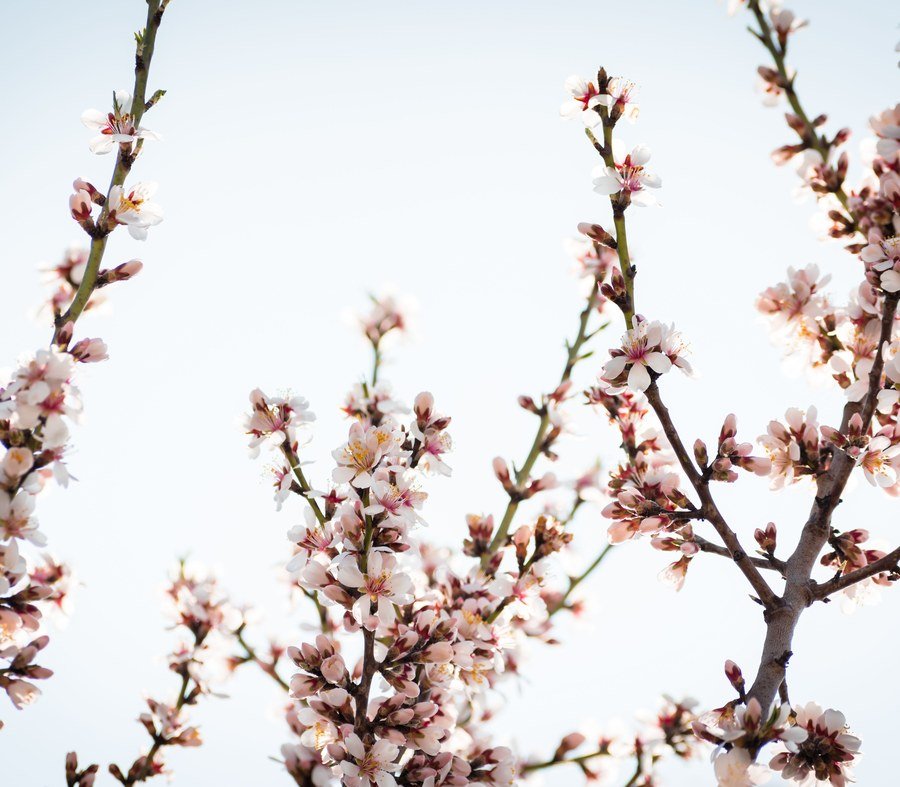
The common patterns: birch pollen allergy cross-reacts with apples, pears, peaches, carrots, celery, almonds, and hazelnuts. Ragweed allergy cross-reacts with melons, bananas, zucchini, and cucumber. Grass pollen can trigger reactions to peaches, celery, tomatoes, and oranges. The culprit proteins are heat-labile — cooking destroys them, which is why someone who reacts to a raw apple can eat applesauce or apple pie without issues.
Symptoms are usually limited to mouth and throat itching or mild swelling, appearing within minutes and resolving on their own. For most people, OAS is an annoyance. But systemic reactions, including anaphylaxis, are possible — especially with celery, mustard, and certain tree nuts. If you’ve had throat tightness, difficulty breathing, or symptoms beyond the mouth after eating a trigger food, see an allergist for testing. Don’t write it off as OAS.
When to See an Allergist
Most seasonal allergies are manageable with OTC medications, nasal rinses, and environmental controls. But several signs warrant a specialist visit:
- Symptoms that span most of the year — You may have perennial allergic rhinitis (dust mites, mold, pet dander) or multiple overlapping seasonal allergies. Specific testing lets you target treatment rather than guessing.
- Medications stop working — If you’re maxing out OTC options and still symptomatic, immunotherapy may be worth discussing.
- Asthma symptoms develop — Wheezing, chest tightness, or shortness of breath during allergy season need evaluation. Uncontrolled rhinitis can worsen asthma.
- Recurrent sinus infections — Chronic nasal inflammation blocks sinus drainage, leading to bacterial infections. Treating the underlying allergy can break the cycle.
- Sleep disruption — Nasal congestion that interferes with sleep has downstream effects on cognition and immune function. Sleep quality and allergy control are closely linked.
An allergist can perform skin prick testing with results in 15 to 20 minutes, or specific IgE blood tests. Knowing your exact triggers matters — avoiding birch pollen is different from avoiding dust mites, and immunotherapy is allergen-specific.
Frequently Asked Questions
Can you develop allergies as an adult?
Yes. The immune system can develop new sensitizations at any age. Common triggers include moving to a new region with different pollen, major hormonal shifts (pregnancy, menopause), significant stress, or gut microbiome changes after antibiotics. If you’re experiencing allergy symptoms for the first time as an adult, see a doctor to confirm it’s allergic rhinitis — non-allergic rhinitis and chronic sinusitis can mimic allergies.
Does local honey help with seasonal allergies?
Probably not in the way it’s advertised. The only rigorous clinical trial found no difference between local unfiltered honey, processed honey, and placebo. The pollen in honey comes from flowering plants bees visit, not the wind-pollinated trees and weeds that cause most seasonal allergies. Honey is harmless and has other benefits — just don’t rely on it as your primary allergy strategy.
What’s the difference between allergies and a cold?
Allergies produce clear, watery nasal discharge and itching (eyes, nose, throat, ears), while colds cause thicker, yellow-green mucus and rarely involve itching. Allergies don’t cause fever or body aches. Colds build over a day or two and resolve within 7–10 days. Allergy symptoms appear suddenly with pollen exposure, last as long as the allergen is present, and recur predictably with the seasons. A “cold” lasting more than two weeks, returning annually, or involving significant itching is more likely allergic rhinitis.
Can allergies cause fatigue?
Yes — through several mechanisms. Nasal congestion disrupts sleep quality. The inflammatory cytokines released during allergic reactions (particularly IL-4, IL-5, and IL-13) can produce malaise and exhaustion similar to a mild flu. Some antihistamines, especially first-generation ones like Benadryl, add sedation on top. Managing the underlying allergy often improves daytime energy noticeably.
Are allergy shots worth it?
For the right person, yes. Immunotherapy is the only treatment that modifies the underlying disease. The tradeoff is time: weekly injections for 6–8 months, then monthly maintenance for 3–5 years. Sublingual tablets offer a more convenient at-home alternative for certain allergens. Studies show 60–80% of people get lasting improvement, and benefits can persist for years after stopping. If allergies are a minor nuisance, the commitment may not be justified. If they’re disrupting your sleep, work, or quality of life, discuss it with an allergist.
Can probiotics help with allergies?
Modest evidence suggests certain strains — particularly Lactobacillus paracasei and Bifidobacterium longum — can reduce allergic rhinitis symptoms compared to placebo. The effect is small to moderate, so probiotics alone won’t replace antihistamines or nasal steroids during peak season. They work best as a long-term background strategy alongside other approaches — studies showing benefit used daily supplementation for at least eight weeks.