
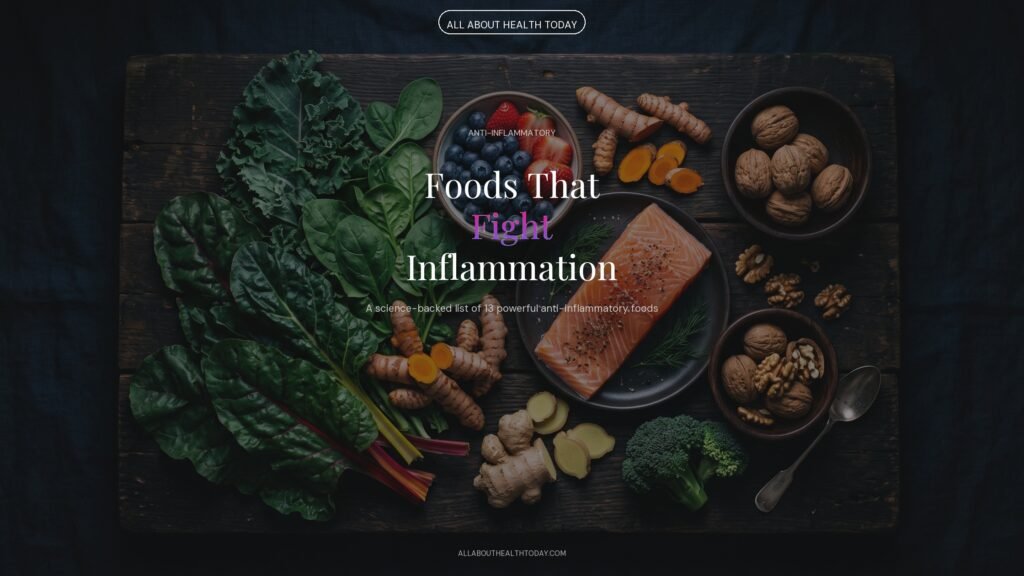
Inflammation isn’t inherently bad. In fact, it’s your body’s brilliant defense mechanism — the immune system’s first responder to injury, infection, or toxin. When you cut your finger or catch a cold, acute inflammation rushes in, does its job, and retreats. The problem arises when inflammation doesn’t retreat. Chronic, low-grade inflammation simmers beneath the surface for months or years, quietly damaging tissues and fueling the very diseases that dominate modern health headlines: heart disease, type 2 diabetes, arthritis, neurodegenerative conditions, and even certain cancers.
Research has firmly established that chronic inflammation is a root contributor to nearly every major chronic disease. The good news? Your fork is one of the most powerful tools you have to fight back. A growing body of evidence shows that specific foods — particularly those rich in polyphenols, omega-3 fatty acids, and antioxidant compounds — can directly dial down inflammatory signaling pathways in the body.
This isn’t about restrictive dieting or eliminating entire food groups. It’s about crowding in — filling your plate with delicious, whole foods that actively work to cool the inflammatory fires. Below, we break down the most science-backed anti-inflammatory foods, why they work, and how to incorporate them into your everyday meals.
If you’re new to the concept of chronic inflammation and how it connects to disease, start with our deep dive on chronic inflammation and its role in modern disease.
What Makes a Food Anti-Inflammatory?
Anti-inflammatory foods share a common thread: they’re rich in bioactive compounds that modulate the body’s inflammatory response at the molecular level. These compounds work through several key mechanisms:
- Inhibiting NF-κB: Nuclear factor kappa B is the master switch of inflammation. Many plant compounds directly suppress its activation.
- Reducing pro-inflammatory cytokines: Compounds like EGCG and curcumin lower levels of IL-6, TNF-α, and IL-1β — signaling proteins that drive inflammation.
- Neutralizing oxidative stress: Antioxidants like anthocyanins and flavonoids scavenge free radicals before they trigger inflammatory cascades.
- Supporting gut barrier integrity: Polyphenols and fiber nourish beneficial gut bacteria, strengthening the intestinal barrier and preventing endotoxin leakage into the bloodstream.
A June 2026 umbrella review searching databases through March 2025 found that the Mediterranean diet — rich in virtually all the foods on this list — showed significant beneficial associations with inflammatory markers including CRP, interleukin-6, and adiponectin. A November 2025 meta-analysis confirmed these findings, showing significant improvements in hs-CRP, IL-6, and IL-17 levels with Mediterranean diet adherence.
1. Berries
Berries are miniature anti-inflammatory powerhouses. Blueberries, strawberries, raspberries, and blackberries owe their deep jewel tones to anthocyanins — a class of flavonoids with potent anti-inflammatory and antioxidant effects. A comprehensive 2021 review demonstrated that berry anthocyanins significantly reduce inflammatory biomarkers and oxidative stress across multiple human trials. In a clinical study of adults with excess weight, those who consumed strawberries daily showed lower levels of inflammatory markers associated with heart disease. A January 2025 review further highlighted that berries including blueberries, blackberries, black currants, and bilberries exhibit significant anti-inflammatory activity through their polyphenolic compounds, reducing free radicals and inflammatory mediators. Blueberries specifically have been shown to reduce blood inflammatory and oxidative stress biomarkers while increasing anti-inflammatory cytokines — effects amplified after exercise. How to use: Add a cup to morning oatmeal, blend into smoothies, or simply snack on them fresh. Frozen berries retain nearly all their anthocyanin content and are often more affordable.
2. Fatty Fish
Salmon, mackerel, sardines, anchovies, and herring are the richest dietary sources of long-chain omega-3 fatty acids (EPA and DHA). These fats don’t just passively reduce inflammation — they actively resolve it. Omega-3s are precursors to specialized pro-resolving mediators (SPMs) — molecules like resolvins, protectins, and maresins that actively shut down inflammatory responses and promote tissue repair. A January 2025 study found that plasma DHA levels were inversely associated with IL-6, TNF-α, and MCP-1 — key inflammatory cytokines — in older adults with low-grade chronic inflammation. A May 2025 review detailed how omega-3s suppress pro-inflammatory cytokines (TNF, IL-6, IL-18) and promote pro-resolving lipid mediators, helping restore tissue homeostasis. The American Heart Association recommends at least two servings of fatty fish per week. How to use: Grill or bake salmon filets, add sardines to salads, or keep canned wild salmon on hand for quick meals. If you don’t eat fish, algal oil supplements provide EPA and DHA directly.
3. Broccoli & Cruciferous Vegetables
Broccoli, cauliflower, Brussels sprouts, kale, and cabbage belong to the cruciferous family — and they pack a unique anti-inflammatory punch. Broccoli’s standout compound is sulforaphane, an isothiocyanate that reduces inflammation by lowering levels of NF-κB and pro-inflammatory cytokines. A 2021 review confirmed sulforaphane’s role in reducing oxidative stress and inflammatory signaling through Nrf2 pathway activation. Epidemiological studies consistently show that higher cruciferous vegetable intake is associated with decreased risk of heart disease and cancer. Pro tip: Light steaming preserves the enzyme myrosinase needed to form sulforaphane. Overcooking destroys it. Add a pinch of mustard seed powder to cooked broccoli — it provides the enzyme broccoli may have lost during cooking and boosts sulforaphane formation significantly.
4. Avocados
Creamy, satisfying, and surprisingly anti-inflammatory — avocados are rich in carotenoids, tocopherols (vitamin E), and heart-healthy monounsaturated fats. A high-quality 2019 randomized controlled trial of 51 adults with excess weight found that those who included avocado daily for 12 weeks experienced a significant reduction in inflammatory markers IL-1β and CRP. Avocado compounds have also been linked to reduced cardiovascular disease risk, and their unique fat profile enhances the absorption of fat-soluble antioxidants from other foods eaten alongside them. How to use: Half an avocado on whole-grain toast, blended into smoothies for creaminess, cubed into salads, or as a replacement for inflammatory fats like mayonnaise.
5. Green Tea
Green tea is one of the most studied beverages in the world for good reason. Its star polyphenol, epigallocatechin-3-gallate (EGCG), is a potent anti-inflammatory that inhibits NF-κB activation and reduces pro-inflammatory cytokine production. A 2024 systematic review of clinical trials found that EGCG supplementation led to a significant decrease in interleukin-6 levels and improvements in functional abilities. Research has linked regular green tea consumption to reduced risk of heart disease, cancer, Alzheimer’s disease, and obesity. How to use: Aim for 2–3 cups daily. Brew at 175°F (80°C) — not boiling — to preserve catechins. Matcha, a powdered form of green tea, delivers even higher EGCG concentrations since you consume the whole leaf.
6. Bell Peppers & Chili Peppers
Bell peppers are exceptional sources of vitamin C — a single red bell pepper contains over 150% of the daily value — along with quercetin, a flavonoid that may reduce inflammation associated with chronic diseases like diabetes. Chili peppers contribute capsaicin, the compound behind their heat, which has documented anti-inflammatory and analgesic properties. They also contain sinapic acid and ferulic acid, phenolic compounds linked to reduced inflammation and healthier aging. How to use: Slice raw bell peppers into salads and hummus plates, roast them for soups and sauces, or sauté with other vegetables. A pinch of chili flakes or fresh jalapeño adds both heat and anti-inflammatory compounds to any dish.
7. Mushrooms
Mushrooms are low-calorie nutritional gems loaded with selenium, B vitamins, and unique phenolic antioxidants that provide anti-inflammatory protection. A 2023 review confirmed that edible mushrooms contain phenols and polysaccharides with significant anti-inflammatory and immunomodulatory properties. Varieties like shiitake, maitake, and reishi are particularly rich in beta-glucans — complex polysaccharides that modulate immune function. Even common button mushrooms contain ergothioneine, a unique antioxidant that concentrates in tissues under high oxidative stress. How to use: Sauté as a side dish, add to stir-fries and omelets, blend into soups for umami depth, or try mushroom powder in coffee or smoothies. Cooking mushrooms improves nutrient availability.
8. Grapes
Grapes — especially deeply colored red and purple varieties — are among the best dietary sources of resveratrol, a stilbenoid with well-documented anti-inflammatory and cardioprotective effects. Research has linked grape consumption to reduced risk of heart disease, diabetes, obesity, arthritis, Alzheimer’s, and eye disorders. In a 2020 clinical trial, adults with heart failure who took resveratrol daily for 3 months experienced significant decreases in inflammatory gene markers including IL-6. Grape polyphenols also increase adiponectin, a hormone that enhances insulin sensitivity and reduces inflammation. How to use: Snack on fresh grapes, freeze them for a refreshing treat, or add to salads. Choose deeply colored varieties for the highest polyphenol content.
9. Turmeric
Turmeric owes its golden hue — and most of its health benefits — to curcumin, arguably one of the most studied anti-inflammatory compounds in the world. A November 2025 meta-analysis of randomized controlled trials found that curcumin supplementation was associated with statistically and clinically significant improvements in rheumatoid arthritis disease activity and inflammatory markers including rheumatoid factor, ESR, and CRP. A July 2025 systematic review confirmed that curcumin effectively decreases CRP and TNF-alpha in knee osteoarthritis. In a landmark clinical study, adults with metabolic syndrome who took 1 gram of curcumin daily experienced a significant decrease in CRP — an effect amplified when combined with piperine from black pepper, which boosts curcumin absorption by up to 2,000%. How to use: Always pair turmeric with black pepper and a fat source. Add to curries, golden milk lattes, soups, scrambled eggs, or smoothies. For therapeutic doses, a high-quality curcumin supplement with piperine may be more practical.
10. Extra Virgin Olive Oil
Extra virgin olive oil (EVOO) is the cornerstone of the Mediterranean diet — and its anti-inflammatory credentials are exceptional. EVOO contains oleocanthal, a phenolic compound whose anti-inflammatory mechanism of action has been directly compared to ibuprofen, inhibiting COX-1 and COX-2 enzymes in a similar manner. A 2022 review found that Mediterranean diet adherence supplemented with EVOO significantly decreased multiple inflammatory markers. Research also links EVOO consumption to reduced risk of heart disease, brain cancer, and obesity. Important: These benefits are specific to extra virgin olive oil — refined olive oils lose most of their phenolic compounds during processing. How to use: Drizzle generously over salads and roasted vegetables, use as a finishing oil, or dip whole-grain bread. For cooking, EVOO is stable at moderate heat, though its delicate polyphenols are best preserved when used raw or at low temperatures.
11. Dark Chocolate & Cocoa
Yes, chocolate made the list — but we’re talking dark chocolate (70% cocoa or higher). Cocoa is loaded with flavanols, polyphenolic compounds that reduce inflammation and keep endothelial cells lining your arteries healthy. A 2022 clinical trial found that participants who consumed 852 mg of cocoa flavanols twice daily experienced improved vascular function, reduced blood pressure, and decreased arterial stiffness within 3 to 8 hours. Cocoa flavanols also modulate inflammatory signaling pathways and reduce oxidative stress. How to use: Choose 70%+ dark chocolate and stick to 1–2 small squares (about 30g) daily. The higher the cocoa percentage, the more flavanols and less sugar. Unsweetened cocoa powder in smoothies or oatmeal is another excellent option.
12. Tomatoes
Tomatoes are the richest dietary source of lycopene, a carotenoid with remarkable anti-inflammatory and anticancer properties. Lycopene may be particularly effective at reducing pro-inflammatory compounds linked to several types of cancer, especially prostate cancer. A critical insight: cooking tomatoes significantly enhances lycopene absorption — and pairing them with a fat source (like olive oil) dramatically increases bioavailability because lycopene is fat-soluble. How to use: Cooked tomato products — tomato sauce, paste, and stewed tomatoes — actually deliver more bioavailable lycopene than raw. Simmer tomatoes in EVOO with garlic and herbs for a double anti-inflammatory hit.
13. Cherries
Cherries — particularly tart cherries — are packed with anthocyanins and catechins, the same class of anti-inflammatory antioxidants found in berries. A 2019 clinical trial of 37 older adults found that those who consumed 16 ounces of tart cherry juice daily for 12 weeks experienced significantly lower CRP levels. Tart cherry anthocyanins also inhibit COX-1 and COX-2 enzymes — similar to NSAIDs, though through different binding mechanisms. While results vary across populations (a 2021 study found no effect in healthy younger adults after 30 days), the preponderance of evidence supports cherries as a valuable anti-inflammatory food, especially for older populations and those with elevated baseline inflammation. How to use: Tart cherry juice concentrate, frozen tart cherries in smoothies, or fresh sweet cherries in season. Look for unsweetened varieties to avoid added sugar that could counteract benefits.
What to Limit: Foods That Fuel Inflammation
Knowing what to eat is half the equation. Equally important is reducing foods that actively promote inflammatory pathways. A 2022 review found that higher intake of ultra-processed foods was associated with elevated blood levels of CRP and other inflammatory markers. Sugar-sweetened beverages and refined carbohydrates similarly promote systemic inflammation through rapid blood sugar spikes and advanced glycation end-product (AGE) formation.
| Inflammatory Food | Examples | Primary Mechanism | Better Swap |
|---|---|---|---|
| Ultra-Processed Foods | Potato chips, fast food, packaged snacks | High in refined oils, trans fats, and AGEs that activate NF-κB | Nuts, seeds, air-popped popcorn |
| Refined Carbohydrates | White bread, white rice, crackers, pastries | Rapid blood sugar spikes → insulin surge → pro-inflammatory cytokines | Whole grains, quinoa, steel-cut oats, legumes |
| Sugar-Sweetened Beverages | Soda, sweet tea, fruit juice, sports drinks | Liquid fructose overloads the liver → uric acid → NLRP3 inflammasome activation | Water, herbal tea, sparkling water with lemon |
| Fried Foods | French fries, fried chicken, mozzarella sticks | Oxidized oils produce lipid peroxides that directly damage cell membranes | Baked, air-fried, or sautéed alternatives |
| Processed Meats | Bacon, ham, hot dogs, deli meats, sausages | Nitrates/nitrites convert to nitrosamines; heme iron promotes oxidation | Fresh lean meats, fish, legumes, tofu |
| Excess Alcohol | Beer, liquor, heavy wine consumption | Gut permeability (“leaky gut”) → endotoxin (LPS) translocation → systemic inflammation | Moderate red wine (1 glass) or alcohol-free days |
For a deeper look at how sugar specifically drives inflammation and metabolic dysfunction, read our article on how blood sugar dysregulation fuels fatigue, cravings, and weight gain — and why fruit sugar and added sugar affect your body in completely different ways.
Quick Reference: Anti-Inflammatory Foods at a Glance
| Food | Key Compound | Primary Benefit | How to Use |
|---|---|---|---|
| 🫐 Berries | Anthocyanins | Reduce CRP & oxidative stress | 1 cup daily — fresh or frozen |
| 🐟 Fatty Fish | EPA & DHA (omega-3) | Resolve inflammation via SPMs | 2+ servings/week |
| 🥦 Broccoli | Sulforaphane | Inhibits NF-κB pathway | Lightly steamed, 3–5x/week |
| 🥑 Avocado | Carotenoids, MUFA | Lowers IL-1β & CRP | ½–1 avocado daily |
| 🍵 Green Tea | EGCG | Reduces IL-6 & TNF-α | 2–3 cups daily |
| 🫑 Bell Peppers | Vitamin C, Quercetin | Antioxidant defense | 1 pepper raw or cooked |
| 🍄 Mushrooms | Beta-glucans, Ergothioneine | Immune modulation | Cooked, 3–4x/week |
| 🍇 Grapes | Resveratrol | Cardioprotective, lowers IL-6 | 1 cup fresh, deep-colored |
| 🧡 Turmeric | Curcumin | Lowers CRP, TNF-α, ESR | 1 tsp + black pepper + fat, daily |
| 🫒 EVOO | Oleocanthal | COX inhibition (ibuprofen-like) | 2–3 tbsp daily, raw or low-heat |
| 🍫 Dark Chocolate | Cocoa Flavanols | Vascular function, lower BP | 30g (1–2 squares) 70%+ cocoa |
| 🍅 Tomatoes | Lycopene | Anti-cancer, anti-inflammatory | Cooked with olive oil |
| 🍒 Cherries | Anthocyanins, Catechins | Reduce CRP, COX inhibition | 8 oz tart cherry juice or 1 cup fresh |
Putting It Together: The Anti-Inflammatory Plate
You don’t need a rigid meal plan. Use this simple plate framework at each meal:
| Plate Section | Proportion | Fill With |
|---|---|---|
| 🥬 Colorful Vegetables & Fruits | 50% | Leafy greens, broccoli, bell peppers, tomatoes, berries, grapes, cherries — aim for 3+ colors |
| 🌾 Whole Grains & Legumes | 25% | Quinoa, brown rice, steel-cut oats, lentils, chickpeas, black beans |
| 🐟 Quality Protein | 25% | Fatty fish, pasture-raised eggs, legumes, nuts — limit red meat to 1–2x/week |
| 🫒 Healthy Fats | 2–3 tbsp | EVOO, avocado, nuts, seeds — drizzle, don’t drench |
| 🧂 Spices & Herbs | Generous | Turmeric + black pepper, ginger, garlic, cinnamon, rosemary, oregano — flavor IS medicine |

This framework naturally aligns with the Mediterranean dietary pattern — consistently ranked the most effective dietary approach for reducing chronic inflammation across the scientific literature.
Frequently Asked Questions
How quickly can anti-inflammatory foods reduce inflammation?
Some effects are surprisingly rapid. A 2022 study showed that cocoa flavanols improved vascular function and reduced blood pressure within 3 to 8 hours. However, meaningful reductions in systemic inflammatory markers like CRP typically require 6 to 12 weeks of consistent dietary change. A 2019 avocado study showed significant CRP reductions after 12 weeks, while the tart cherry juice trial demonstrated effects at 12 weeks. The key is consistency over time — the anti-inflammatory diet is a lifestyle, not a quick fix. The Mediterranean diet’s strongest benefits emerge with long-term adherence, as reflected in large-scale cohort studies spanning years.
Can I get enough curcumin from turmeric spice alone, or do I need supplements?
Turmeric spice contains only about 3–5% curcumin by weight — meaning you’d need to consume roughly 20–33 grams of turmeric powder daily to reach the 1-gram curcumin dose used in clinical trials. That’s impractical for most people. Additionally, curcumin is poorly absorbed on its own. Combining it with piperine (from black pepper) increases absorption by up to 2,000%. For therapeutic anti-inflammatory effects, a high-quality curcumin supplement standardized to 95% curcuminoids and formulated with piperine or a liposomal delivery system is often more effective. That said, using turmeric liberally in cooking — always with black pepper and a fat source — is still beneficial as part of an overall anti-inflammatory dietary pattern.
Is all fat inflammatory? What about saturated fat?
Not at all. The type of fat matters enormously. Omega-3 polyunsaturated fats (from fatty fish, walnuts, flaxseed) are strongly anti-inflammatory. Monounsaturated fats (from olive oil, avocado) are neutral to anti-inflammatory. The primary concern is with industrial trans fats and an imbalance favoring omega-6 over omega-3. The modern Western diet often has an omega-6 to omega-3 ratio of 15:1 to 20:1, whereas a ratio closer to 4:1 is associated with lower inflammation. High intake of saturated fat from processed and fried foods can activate TLR4 receptors and trigger inflammatory signaling, but saturated fat within a whole-food context (e.g., from avocado or dark chocolate) behaves differently than isolated saturated fat in ultra-processed foods.
Are frozen fruits and vegetables as anti-inflammatory as fresh?
Yes — often equally so, and sometimes more. Frozen produce is typically harvested at peak ripeness and flash-frozen within hours, which preserves polyphenol and vitamin content. Fresh produce may spend days or weeks in transit and storage, during which time some heat- and light-sensitive nutrients degrade. A 2017 study comparing fresh and frozen produce found that frozen varieties often had comparable or higher levels of vitamin C, vitamin E, and certain polyphenols. This is especially true for berries — frozen blueberries and strawberries retain nearly all their anthocyanin content. The real anti-inflammatory “loss” happens with canned products packed in syrup, or when vegetables are boiled to death. Frozen is an excellent, budget-friendly choice.
Can an anti-inflammatory diet help with arthritis pain?
Yes — and the evidence is growing. A November 2025 meta-analysis found that curcumin supplementation produced clinically significant improvements in rheumatoid arthritis disease activity scores and inflammatory markers. Omega-3 fatty acids similarly show benefit for reducing joint inflammation and morning stiffness in rheumatoid arthritis. The Mediterranean diet has demonstrated significant reductions in inflammatory markers relevant to arthritis. While diet alone may not replace medication, it can meaningfully reduce symptoms and — in some cases — allow for lower medication doses under medical supervision. For specific foods to avoid with arthritis, see our guide on foods and beverages to avoid if you have arthritis.
How does chronic stress or poor sleep affect inflammation — even if I eat perfectly?
Diet is powerful, but it doesn’t operate in a vacuum. Chronic stress elevates cortisol, which over time promotes systemic inflammation through glucocorticoid receptor resistance — essentially, your cells stop responding to cortisol’s anti-inflammatory signals, and inflammation runs unchecked. This is tied to HPA axis dysfunction, where the body’s stress-response system becomes dysregulated. Poor sleep similarly raises inflammatory markers — even a single night of partial sleep deprivation increases IL-6 and TNF-α. Sleep is when your brain clears inflammatory debris through the glymphatic system, and disrupting this process has cascading inflammatory effects. Read our guide on optimizing sleep architecture and nervous system regulation for longevity to address these foundational pillars alongside diet.
Related Articles
Disclaimer: This article is for informational purposes only and does not constitute medical advice. Always consult with a qualified healthcare provider before making significant dietary changes, especially if you have a chronic health condition or take medications that may interact with specific foods or supplements.