
What Is the Low-FODMAP Diet, Really?
If you’ve spent years cycling through elimination diets, probiotic regimens, and the kind of well-meaning advice that starts with “have you tried cutting out gluten?”, you already know how exhausting digestive detective work can be. But here’s something worth paying attention to: the diet with the strongest evidence base for irritable bowel syndrome (IBS) wasn’t dreamed up by a wellness influencer or a food-sensitivity startup. It was developed by researchers at Monash University in Australia — and it’s called the low-FODMAP diet.
FODMAP stands for Fermentable Oligosaccharides, Disaccharides, Monosaccharides, And Polyols. Behind that mouthful of biochemistry is a deceptively simple idea: certain short-chain carbohydrates are poorly absorbed in the small intestine. When they reach the large intestine, gut bacteria ferment them rapidly, producing gas and drawing in water through osmosis. For most people, this happens quietly in the background. For the roughly 10–15% of the global population with IBS, it triggers bloating, abdominal pain, diarrhea, constipation — or a maddening alternation of all four.
Medically reviewed by
Dr. A. Collins, MD — Board Certified Internist
The low-FODMAP diet isn’t a forever diet — and that’s what sets it apart from so many other approaches. It’s a structured, three-phase process designed to identify which specific carbohydrates trigger your symptoms, so you can build the widest possible diet with the fewest restrictions. Think of it less as a food list to memorize and more as a diagnostic tool you eat.
In this guide, we’ll walk through exactly how the diet works, what the research actually says, which foods land on the high- and low-FODMAP lists, and the common mistakes that keep people stuck in unnecessary restriction long after they could have expanded their plates. Whether you’re newly diagnosed with IBS or you’ve been chasing digestive answers for years, this is the roadmap.
Breaking Down the FODMAP Acronym: What Each Letter Actually Means
Understanding what you’re restricting is the difference between following a list blindly and making informed choices when the list doesn’t cover every food you encounter. Here’s each FODMAP category, explained in plain English:
Fermentable
This is the umbrella term. All FODMAPs are rapidly fermented by gut bacteria. Fermentation produces hydrogen and methane gas, which stretch the intestinal wall. In a sensitive gut, that stretching registers as pain and bloating. The “fermentable” part is what separates FODMAPs from other carbohydrates that digest quietly.
Oligosaccharides (Fructans & GOS)
Fructans are chains of fructose molecules found in wheat, rye, barley, onions, and garlic. Humans lack the enzyme to break fructan bonds, so they arrive in the colon largely intact — where bacteria feast on them. Galacto-oligosaccharides (GOS) are abundant in legumes, lentils, chickpeas, and soy milk. If beans make you bloated, GOS is often the culprit.
Disaccharides (Lactose)
Lactose — milk sugar — requires the enzyme lactase for digestion. Roughly 65–70% of the world’s adult population produces less lactase after infancy. Undigested lactose pulls water into the bowel (osmotic diarrhea) and ferments into gas. Soft cheeses and butter are naturally low in lactose; milk, yogurt, and fresh cheeses like ricotta are not.
Monosaccharides (Excess Fructose)
Fructose is absorbed efficiently when glucose is present in roughly equal amounts. When fructose exceeds glucose — as it does in honey, apples, watermelon, and high-fructose corn syrup — absorption slows dramatically, and the excess fructose acts like lactose: it draws in water and ferments. This is why a banana (glucose ≈ fructose) is usually fine, but an apple (fructose > glucose) can be problematic.
Polyols (Sugar Alcohols)
Sorbitol, mannitol, xylitol, and maltitol are sugar alcohols found naturally in stone fruits (peaches, plums, cherries) and some vegetables (cauliflower, mushrooms), and added artificially to sugar-free gum, mints, and “low-calorie” snacks. Polyols are poorly absorbed by everyone — not just people with IBS — which is why sugar-free gummy bears have a certain internet reputation.
Why FODMAPs Trigger IBS Symptoms: The Two Mechanisms
The pathophysiology is refreshingly straightforward compared to many gut conditions — there’s no mysterious immune cascade or autoimmune component. Two mechanisms account for essentially all FODMAP-related symptoms:
- Osmotic effect. Because FODMAPs are small, osmotically active molecules, they pull water into the small and large intestine. This increases luminal distension — physically stretching the gut wall — which stimulates motility and can produce urgency or loose stools. The effect is particularly pronounced with excess fructose and polyols.
- Rapid fermentation. Gut bacteria ferment FODMAPs much faster than they ferment other fibers. The resulting gas (hydrogen, methane, and carbon dioxide) accumulates in the intestinal lumen. In people with IBS, the brain’s processing of these gut-wall signals is amplified — a phenomenon called visceral hypersensitivity — so a normal amount of gas can feel like extreme bloating and cramping.
This dual mechanism also explains why studies of traditional high-fiber diets for IBS have produced mixed results: fiber ferments, too. The key difference is that FODMAPs ferment fast, producing a sharper, more symptomatic pressure rise than slow-fermenting soluble fibers like psyllium or oat bran.
The Evidence: What the Research Actually Shows
The low-FODMAP diet isn’t built on anecdotes. Monash University has published over 15 randomized controlled trials on the diet since 2010, and the results are remarkably consistent: approximately 70–75% of people with IBS report clinically significant symptom improvement — typically a ≥50-point reduction on the IBS Symptom Severity Score (IBS-SSS).
A 2021 meta-analysis published in Gut pooled data from 13 RCTs and found that the low-FODMAP diet outperformed a sham diet, a traditional IBS diet, and a high-FODMAP diet for abdominal pain, bloating, and overall symptom scores. A separate 2022 systematic review in The American Journal of Gastroenterology confirmed that the diet is effective across all IBS subtypes — IBS-D (diarrhea-predominant), IBS-C (constipation-predominant), and IBS-M (mixed).
That said, the diet isn’t a magic wand. Approximately 25–30% of people don’t respond, and researchers are actively investigating why — early evidence points to differences in the gut microbiome’s baseline composition and the gut-brain connection that modulates visceral sensitivity. The diet works best when paired with a registered dietitian who specializes in gastrointestinal disorders; self-guided attempts have higher dropout rates and lower success rates in published studies.
One important nuance: the low-FODMAP diet also reduces populations of beneficial Bifidobacteria — which makes sense, since those bacteria feed on the very carbohydrates being restricted. This is one reason the diet was never designed for long-term, unrestricted use. It’s a temporary diagnostic tool, and the research community has been explicit about that from the start.
The Three Phases: Elimination, Reintroduction, and Personalization
This is where most people go wrong. They read a FODMAP foods list online, cut everything high-FODMAP, feel better, and then… stay there. Indefinitely. That’s not the diet — that’s phase one. Here’s the full structure:
Phase 1: Elimination (2–6 Weeks)
You remove all high-FODMAP foods and eat strictly from the low-FODMAP list. The goal is to give your gut a “washout” period — reducing baseline gas, water distension, and pain to a manageable level. Symptom improvement typically begins within the first week and plateaus by week 3–4. If you haven’t improved by week 6, FODMAPs may not be your primary trigger, and continuing restriction won’t help.
What to expect: Weeks 1–2 can feel socially awkward as you navigate restaurant menus and grocery aisles. Week 3 is when most people say they “finally know what normal digestion feels like.” Week 4–6 is the sweet spot for moving to Phase 2 — don’t stay here longer than 8 weeks without professional guidance.
Phase 2: Reintroduction (6–8 Weeks)
This is the actual diagnostic phase. You reintroduce one FODMAP group at a time, in controlled, increasing doses over 3 days, while tracking symptoms. The standard protocol:
- Day 1: Small test portion of a single FODMAP group (e.g., ½ cup cooked lentils for GOS)
- Day 2: Medium portion of the same food
- Day 3: Large portion
- Days 4–6: Washout — back to strict low-FODMAP eating to reset baseline
Repeat for each FODMAP group: fructans, GOS, lactose, excess fructose, sorbitol, and mannitol. By the end, you’ll have a personalized map of which groups trigger symptoms, at which doses, and which ones you tolerate freely. Most people react to 2–3 FODMAP groups, not all 6.
Phase 3: Personalization (Long-Term)
This is where the diet becomes sustainable. Armed with your reintroduction data, you build a liberalized, long-term eating pattern that includes as many foods as possible — restricting only the specific FODMAP groups and dose thresholds that trigger symptoms. Someone who reacts to excess fructose but tolerates lactose can enjoy yogurt and hard cheese while being mindful of honey and apples. Someone who reacts to fructans but not GOS can eat chickpeas while avoiding onion and garlic.
The goal, as Monash researchers put it, is “the widest possible diet with the fewest possible symptoms.” This is not a lifetime of restriction — it’s a lifetime of informed choices.
High-FODMAP Foods: What to Avoid in Phase 1
During the elimination phase, the following foods are restricted. This isn’t a permanent “never eat” list — it’s a temporary baseline reset.
- Vegetables: Onion (all varieties including powder), garlic, cauliflower, mushrooms, asparagus, artichokes, sugar snap peas, leeks, beetroot
- Fruits: Apples, pears, watermelon, stone fruits (peaches, plums, nectarines, cherries), mango, blackberries, dried fruit (dates, figs, raisins, prunes)
- Grains: Wheat-based products (bread, pasta, couscous, crackers, cereal), rye, barley
- Dairy: Milk (cow, goat, sheep), yogurt, soft cheeses (ricotta, cottage cheese, cream cheese), ice cream
- Legumes: Most beans (kidney, black, pinto, baked), lentils, chickpeas, soy milk made from whole soybeans
- Sweeteners: Honey, agave, high-fructose corn syrup, sorbitol (420), mannitol (421), xylitol (967), maltitol (965), isomalt (953)
- Other: Pistachios, cashews, inulin/chicory root fiber (common in protein bars and “high-fiber” snacks)
Low-FODMAP Swaps: What to Eat Instead
One of the biggest practical challenges is knowing which foods to reach for when cooking without onion, garlic, or wheat. These swaps keep meals flavorful and satisfying during Phase 1:
- Onion/garlic replacement: Garlic-infused oil (FODMAPs are water-soluble, not fat-soluble — so infused oil is safe), the green parts of scallions/spring onions, chives, asafoetida powder (a pinch mimics onion-garlic depth)
- Grains & starches: Rice (all varieties), quinoa, oats, polenta/cornmeal, gluten-free sourdough spelt bread (in small serves), gluten-free pasta, potatoes, sweet potatoes
- Fruits: Bananas (firm, not overripe), blueberries, strawberries, raspberries, oranges, mandarins, kiwi, grapes, cantaloupe, pineapple, passionfruit
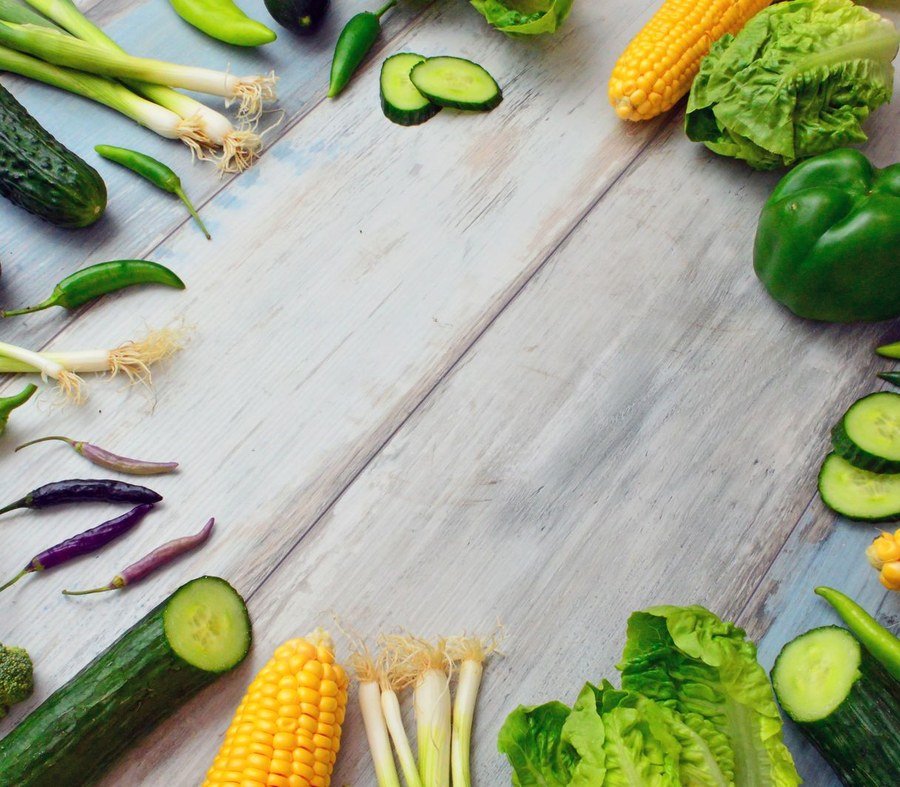
- Vegetables: Carrots, zucchini, bell peppers, spinach, kale, arugula, lettuce, cucumber, tomatoes, eggplant, green beans, bok choy, parsnips
- Dairy alternatives: Lactose-free milk and yogurt, hard cheeses (cheddar, parmesan, Swiss — naturally very low lactose), butter, almond milk, macadamia milk, rice milk
- Protein: All plain meats, poultry, fish, eggs, firm tofu, tempeh (small serves), canned lentils (rinsed — canning reduces GOS content via leaching into water)
- Nuts & seeds: Macadamias, peanuts, walnuts, pecans, pine nuts, chia seeds, flaxseeds, pumpkin seeds (limit to small handfuls — almonds in serves of ≤10 are low-FODMAP)
- Sweeteners: Maple syrup (pure), table sugar (sucrose), glucose, stevia, aspartame (note: some sugar alcohols like erythritol may be better tolerated than sorbitol/mannitol)
| Category | High-FODMAP (avoid in Phase 1) | Low-FODMAP swap (from this article) |
|---|---|---|
| Aromatics | Onion (all varieties including powder), garlic | Garlic-infused oil (FODMAPs are water-soluble, not fat-soluble, so infused oil is safe); green parts of scallions/spring onions; chives; asafoetida powder (a pinch mimics onion-garlic depth) |
| Vegetables | Cauliflower, mushrooms, asparagus, artichokes, sugar snap peas, leeks, beetroot | Carrots, zucchini, bell peppers, spinach, kale, arugula, lettuce, cucumber, tomatoes, eggplant, green beans, bok choy, parsnips |
| Fruits | Apples, pears, watermelon, stone fruits (peaches, plums, nectarines, cherries), mango, blackberries, dried fruit (dates, figs, raisins, prunes) | Bananas (firm, not overripe), blueberries, strawberries, raspberries, oranges, mandarins, kiwi, grapes, cantaloupe, pineapple, passionfruit |
| Grains & starches | Wheat-based products (bread, pasta, couscous, crackers, cereal), rye, barley | Rice (all varieties), quinoa, oats, polenta/cornmeal, gluten-free sourdough spelt bread (in small serves), gluten-free pasta, potatoes, sweet potatoes |
| Dairy | Milk (cow, goat, sheep), yogurt, soft cheeses (ricotta, cottage cheese, cream cheese), ice cream | Lactose-free milk and yogurt; hard cheeses (cheddar, parmesan, Swiss — naturally very low lactose); butter; almond milk; macadamia milk; rice milk |
| Legumes & protein | Most beans (kidney, black, pinto, baked), lentils, chickpeas, soy milk made from whole soybeans | All plain meats, poultry, fish, eggs; firm tofu; tempeh (small serves); canned lentils (rinsed — canning reduces GOS content via leaching into water) |
| Nuts & seeds | Pistachios, cashews | Macadamias, peanuts, walnuts, pecans, pine nuts, chia seeds, flaxseeds, pumpkin seeds (limit to small handfuls — almonds in serves of ≤10 are low-FODMAP) |
| Sweeteners | Honey, agave, high-fructose corn syrup, sorbitol (420), mannitol (421), xylitol (967), maltitol (965), isomalt (953) | Maple syrup (pure), table sugar (sucrose), glucose, stevia, aspartame (note: some sugar alcohols like erythritol may be better tolerated than sorbitol/mannitol) |
| Fiber additives | Inulin/chicory root fiber (common in protein bars and “high-fiber” snacks) | Not stated in this article |
Common Mistakes That Undermine the Diet
Even with the best intentions, these missteps can sabotage results — or keep you unnecessarily restricted for months:
Staying in elimination too long. This is the single most common error. The elimination phase is 2–6 weeks, not 2–6 months. Prolonged restriction reduces beneficial gut bacteria (especially Bifidobacteria), may lead to nutrient shortfalls, and makes eating socially needlessly difficult. If you haven’t moved to reintroduction by week 8, you’re no longer following the evidence-based protocol — you’re on a self-imposed restrictive diet.
Not retesting trigger foods. Tolerance can shift over time — especially after gut inflammation settles or the microbiome recovers from whatever imbalances may have contributed to symptoms. A food that triggered symptoms during your first reintroduction may be tolerable six months later. Retest periodically.
Portion size confusion. FODMAP content is dose-dependent. A quarter of an avocado is low-FODMAP; a whole one is high in sorbitol. Ten almonds are fine; twenty-five are high in GOS. The Monash University FODMAP app (the official one, developed by the researchers who created the diet) is the gold standard for portion guidance — generic lists online rarely account for serving sizes.
Assuming “gluten-free” means “low-FODMAP.” These are different diets entirely. Gluten-free products can be high in FODMAPs through added inulin, honey, high-fructose corn syrup, or apple/pear concentrates — all common ingredients in gluten-free baked goods. Conversely, many low-FODMAP foods (like wheat-derived glucose syrup or certain sourdough breads) contain gluten. The overlap is partial at best.
Ignoring non-food triggers. Stress, poor sleep, and inconsistent meal timing all influence gut motility and visceral sensitivity. The gut is intertwined with mental health — chronic stress alone can produce IBS-like symptoms even on a perfect diet. A low-FODMAP approach works best alongside stress management and good sleep hygiene.
Who Should NOT Attempt This Diet Without Medical Supervision
The low-FODMAP diet is restrictive by design — that’s the whole point of Phase 1. But restriction carries risks for certain populations, and these groups should only pursue the diet under direct clinical supervision:
- Anyone with a current or past eating disorder. The elimination phase involves food restriction, food tracking, and symptom hypervigilance — all potential triggers for disordered eating patterns. Multiple clinical guidelines now list active or historical eating disorders as a relative contraindication to the diet without a multidisciplinary team (dietitian + therapist + GI physician).
- Children and adolescents. Growing bodies need nutrient density, and a poorly managed low-FODMAP diet can fall short on calcium, fiber, iron, and B vitamins. Pediatric implementation should always involve a pediatric dietitian. The Monash protocol has been adapted for children, but it requires professional oversight — parents should not implement it solo based on internet resources.
- People who are underweight or at risk of malnutrition. The elimination phase can reduce caloric intake — sometimes unintentionally, as people avoid foods they haven’t yet found replacements for. If you’re already underweight, losing more weight during the diet can compound rather than solve health problems.
- Pregnant people. Nutrient requirements increase during pregnancy, and the restrictive phase of the diet should only be undertaken if clearly medically indicated and supervised by both an obstetric provider and a GI dietitian.
- People with undiagnosed GI symptoms. The low-FODMAP diet is a treatment for diagnosed IBS, not a substitute for diagnosis. Unexplained weight loss, rectal bleeding, iron-deficiency anemia, or nocturnal symptoms (waking you from sleep) warrant medical investigation — not a do-it-yourself elimination diet. These can signal conditions like inflammatory bowel disease or celiac disease, which require different management.
Practical Tips for Eating Out and Traveling on Low-FODMAP
Restaurants don’t have “low-FODMAP” labels, and waitstaff generally won’t know which dishes contain onion or garlic powder — which are in virtually everything. Here’s how to navigate:
- Call ahead during off-peak hours (2–4 PM) and ask to speak with the kitchen. Frame it as a medical diet with specific requests: “I can’t eat onion, garlic, wheat, or dairy — can you suggest dishes that would work, or modify something?” Chefs are far more responsive to concrete requests than vague “dietary restriction” language.
- Grilled protein + steamed vegetables + rice or potato is the restaurant safety net. Specify no seasoning blends, no marinades (often contain garlic/onion powder or honey), and butter or oil only. Ask for lemon wedges for flavor at the table.
- Sushi restaurants are surprisingly FODMAP-friendly: sashimi, nigiri (skip the soy sauce — tamari is fine in small amounts, or bring your own low-FODMAP soy alternative), and cucumber or avocado rolls (small serving) work well.
- When traveling: Pack shelf-stable low-FODMAP snacks — rice cakes, macadamia nuts, firm bananas, lactose-free cheese sticks if you have a cooler bag, low-FODMAP protein bars (check for chicory root/inulin — it’s everywhere). In foreign countries, learn translations for “onion,” “garlic,” “wheat,” “milk” in the local language.
- For work lunches: A Mediterranean-style grain bowl with quinoa, grilled chicken, roasted carrots, spinach, feta (low-lactose in small serves), olives, and a lemon-olive oil dressing hits all the right notes without triggering symptoms.
What Happens After the Diet: Long-Term Gut Health
Completing the three phases doesn’t mean you’re “done” — it means you finally have the data to eat with confidence. A few guiding principles for the long haul:
Retest annually. Tolerance can and does change. The gut is a dynamic ecosystem, and after a year of reduced symptoms — less inflammation, less stress around eating, potentially a healthier and more diverse microbiome — foods that once triggered symptoms may be tolerated. Reintroduce one group at a time, same 3-day protocol, to check.
Prioritize gut-microbiome diversity. The low-FODMAP diet intentionally starves certain gut bacteria — it’s the mechanism that makes it work. But long-term, you want bacterial diversity. Once you’re in Phase 3, focus on anti-inflammatory, fiber-rich foods from your tolerated list — oats, berries, carrots, leafy greens, seeds, and fermented foods (sourdough, lactose-free yogurt, small-serve tempeh) all support microbial richness.
Don’t panic when old symptoms return. Everyone has off days — a stressful week, a heavy restaurant meal you didn’t cook yourself, a celebration dinner where you knowingly ate something risky. A single episode of bloating doesn’t mean the diet failed or you’re back to square one. Return to your Phase 3 baseline, and symptoms typically settle within 24–48 hours.
Consider the skin connection. Emerging research is exploring links between gut dysbiosis, systemic inflammation, and skin conditions — including the gut-skin axis and how it may influence acne, eczema, and psoriasis. While the low-FODMAP diet hasn’t been studied specifically for dermatological outcomes, reducing chronic gut inflammation can reduce systemic inflammatory markers that may contribute to skin flare-ups. This connection is still being mapped, but it’s a promising area of research.