
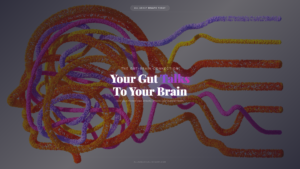
You know that “butterflies in your stomach” feeling before a big event? That sensation is more than just a figure of speech — it’s your gut and brain talking to each other in real time. Over the past decade, scientists have uncovered a sophisticated communication network called the gut-brain axis, and the findings are reshaping how we think about mental health.
- ✅ Your gut produces ~90% of your serotonin and ~50% of your dopamine
- ✅ An unhealthy gut microbiome is linked to anxiety, depression, and brain fog
- ✅ The vagus nerve is the direct communication line between your gut and brain
- ✅ Improve both by eating fermented foods, fiber, and managing chronic stress
Research published in Frontiers in Microbiomes in December 2025 confirms that the human gut microbiome acts as a “pivotal modulator of brain function and mental health,” influencing everything from anxiety and depression to cognitive performance and stress responses. If you’ve ever wondered why your stomach feels off during stressful times — or why your mood shifts after eating poorly — the gut-brain axis is likely at the center of it all. For more on how diet and lifestyle support your mind, explore our guide to brain health habits and supplements.
What Is the Gut-Brain Axis?
The gut-brain axis is a bidirectional communication network linking your central nervous system (your brain and spinal cord) to your enteric nervous system (the nervous system of your digestive tract). This connection operates through several pathways simultaneously:
- The vagus nerve: The longest cranial nerve in your body, carrying signals between the gut and brain. Gut sensory impulses transmitted via the vagus nerve directly impact central nervous system activity, controlling reflexes and modulating mood.
- The immune system: About 70% of your immune system resides in your gut. When gut bacteria are out of balance, it can trigger systemic inflammation that affects the brain.
- The hypothalamic-pituitary-adrenal (HPA) axis: Your stress response system. Gut microbes influence how your body handles stress through this hormonal pathway.
- Neurotransmitters: Gut bacteria produce an estimated 90% of your body’s serotonin, along with gamma-aminobutyric acid (GABA), dopamine, and other mood-regulating chemicals. B vitamins also play a role in neurotransmitter synthesis and mood stability.
The Gut Microbiome’s Role in Mental Health
Your gut is home to trillions of microorganisms — bacteria, fungi, viruses, and other microbes — collectively known as the gut microbiome. A 2026 review published in PMC found that altered microbial diversity, decreased short-chain fatty acid (SCFA) production, and increased neuroinflammation are key mechanisms driving mental health disturbances through the gut-brain axis.
How Gut Bacteria Influence Your Mood
Here’s what’s remarkable: the bacteria in your gut don’t just passively digest food. They actively produce and consume neuroactive compounds that directly affect your brain chemistry. Key findings from recent research include:
- Serotonin production: Certain gut bacteria, particularly those in the Lactobacillus and Bifidobacterium families, produce precursors to serotonin — the “feel-good” neurotransmitter. Since roughly 90% of the body’s serotonin is manufactured in the gut, an unhealthy microbiome can directly suppress your mood.
- Short-chain fatty acids (SCFAs): When beneficial gut bacteria ferment dietary fiber, they produce SCFAs like butyrate, acetate, and propionate. These compounds travel to the brain and help regulate inflammation and neurotransmitter function.
- Neuroinflammation reduction: A balanced microbiome helps keep gut-related inflammation in check. When the gut barrier is compromised — a condition sometimes called “leaky gut” — inflammatory molecules can enter the bloodstream and cross the blood-brain barrier, contributing to anxiety and depression.
- HPA axis regulation: Probiotics have been shown to decrease systemic inflammation and normalize the hypothalamic-pituitary-adrenal axis, the body’s central stress response system.
The Gut-Mental Health Link: What the Science Says
Multiple peer-reviewed studies confirm the connection between gut health and mental health outcomes. A 2025 meta-analysis published in PubMed examined randomized controlled trials involving prebiotic and probiotic supplementation in clinically diagnosed populations and found that these interventions showed measurable effects on symptoms of depression and anxiety.
Another systematic review found that probiotic therapy reduced depressive symptoms and improved HPA-axis functionality — with results comparable to antidepressant medications in some studies. Researchers noted that strains such as Lactobacillus and Bifidobacterium demonstrated particular promise for mood regulation.
Research published in PMC in 2026 further established that decreased microbial diversity is consistently associated with mood disorders, and that interventions targeting the gut microbiome may alleviate symptoms of both depression and anxiety — highlighting the genuine potential for microbiome-based treatments in psychiatry.
Signs Your Gut-Brain Connection May Be Imbalanced
While gut health affects everyone differently, several common signs may indicate an unhealthy gut-brain axis:
- Chronic digestive issues (bloating, gas, irregular bowel movements)
- Persistent anxiety, low mood, or unexplained irritability
- Frequent brain fog or difficulty concentrating
- Poor sleep quality or non-restorative sleep
- Sugar cravings driven by mood swings rather than genuine hunger
- Frequent illness or low immune resilience
- Skin issues such as acne or eczema (the gut-skin axis is well-documented)
How to Support Your Gut-Brain Axis: 6 Evidence-Based Strategies
1. Eat More Fermented Foods
Fermented foods introduce beneficial bacteria into your gut. Aim for a daily variety including plain yogurt, kefir, kimchi, sauerkraut, miso, and kombucha. A 2021 Stanford study found that a diet high in fermented foods increased microbiome diversity and reduced markers of inflammation more effectively than a high-fiber diet alone.
2. Feed Your Good Bacteria with Prebiotic Fiber
Prebiotics — non-digestible fibers that feed beneficial gut bacteria — are found in garlic, onions, asparagus, oats, bananas, and apples. Regular prebiotic intake supports the production of short-chain fatty acids, which are critical for brain health.
3. Consider a Quality Probiotic Supplement
If you have digestive issues or mood disturbances, a probiotic supplement may help. Look for multi-strain formulas containing Lactobacillus and Bifidobacterium species, ideally backed by clinical research. A 2025 meta-analysis found that prebiotic and probiotic supplementation showed meaningful effects on anxiety and depression symptoms in clinical populations.
4. Manage Stress Proactively
Chronic stress disrupts the gut microbiome by altering gut motility, increasing intestinal permeability, and promoting harmful bacterial overgrowth. Practices like mindfulness meditation, regular exercise, deep breathing, and adequate sleep all support a healthier gut-brain axis.
5. Prioritize Sleep Quality
Your gut microbiome follows a circadian rhythm, and disrupted sleep patterns can negatively alter microbial composition within 24 hours. Aim for 7–9 hours of consistent, quality sleep each night to support both gut and mental health. See our full guide on the best ways to improve your sleep for actionable tips.
6. Limit Gut Disruptors
Reduce consumption of ultra-processed foods, artificial sweeteners, and excessive alcohol — all of which can degrade gut microbiome diversity. If you need to take antibiotics, consider a probiotic supplement afterward to help restore bacterial balance.
The Future of Gut-Brain Research
The gut-brain axis is one of the most active areas of neuroscience and psychiatry research. In 2025–2026, scientists have made significant strides in understanding how next-generation probiotics, personalized nutrition, and microbiome testing could lead to tailored mental health interventions. While more large-scale clinical trials are needed, the direction of evidence is clear: supporting your gut is a valid, science-backed strategy for supporting your mental health.
Frequently Asked Questions
Can gut health actually cause anxiety and depression?
Research increasingly suggests that gut microbiome disruption can contribute to anxiety and depression through multiple pathways — including inflammation, neurotransmitter production, and HPA-axis dysregulation. However, gut health is one piece of a complex puzzle that also includes genetics, life events, and other factors. Improving gut health is not a guaranteed cure, but it is a supportive strategy backed by evidence.
How long does it take to improve gut health?
Some changes can occur within days (such as increased bacterial diversity from fermented foods), while meaningful shifts in microbiome composition typically take 3–6 months of consistent dietary and lifestyle changes. The gut-brain axis benefits tend to compound over time.
Are probiotic supplements necessary, or can I get enough from food?
Whole food sources of probiotics (yogurt, kefir, kimchi, sauerkraut) are generally sufficient for most healthy adults and come with additional nutritional benefits. Supplements may be useful for specific conditions, after antibiotic use, or when dietary variety is limited. Consult a healthcare professional for personalized advice.
What’s the connection between gut health and brain fog?
Gut inflammation and microbial imbalance can trigger the release of inflammatory cytokines that cross the blood-brain barrier and impair cognitive function. Supporting the gut microbiome with prebiotic fiber and fermented foods has been shown to improve mental clarity and focus in multiple studies.
Does stress really affect gut health?
Absolutely. The gut and brain are in constant dialogue via the vagus nerve, and chronic stress activates the HPA axis, releasing cortisol that alters gut motility, permeability, and microbiome composition. This is why stress management is considered a cornerstone of gut health.
Key Takeaways
- The gut-brain axis is a bidirectional communication network linking your digestive system to your brain through the vagus nerve, immune system, and neurotransmitter pathways.
- Your gut microbiome produces an estimated 90% of your body’s serotonin, making gut health directly relevant to mood regulation.
- Altered microbial diversity and reduced short-chain fatty acid production are consistently linked to anxiety and depression in peer-reviewed research.
- Probiotic and prebiotic interventions have shown measurable effects on mental health symptoms in clinical trials.
- Supporting your gut-brain axis through fermented foods, prebiotic fiber, stress management, quality sleep, and reduced processed food intake is a science-backed approach to better mental well-being.
Disclaimer: The information provided in this article is for educational purposes only and is not intended as medical advice. Always consult a qualified healthcare professional before making changes to your diet, supplement regimen, or mental health treatment plan.
Written by: AAHT Content Team
Medically Reviewed by: Dr. A. Collins, MD — Board Certified Internist