
Introduction
Anxiety disorders affect over 301 million people worldwide, making them the most common mental health condition globally — and that number has surged by more than 25% since the onset of the pandemic 1. While therapy and medication remain the gold standards for treatment, a growing body of scientific research points to a remarkably effective complementary approach hiding in plain sight: essential oils.
But not all essential oils are created equal when it comes to anxiety relief. Some, like lavender, are backed by multiple randomized controlled trials and systematic reviews. Others have far weaker evidence — or none at all.
In this updated, science-backed guide, we cut through the noise. Every oil profiled here has been selected based on published clinical research, and every claim is linked to its source. You’ll also find a detailed comparison table, safety guidelines, and answers to the most common questions — all reviewed by a board-certified physician.
Board Certified Internist • Last Updated: July 12, 2026
How Do Essential Oils Help with Anxiety? The Science
Essential oils work through two primary pathways in your body:
1. The Olfactory-Limbic Connection. When you inhale essential oil molecules, they bind to olfactory receptors in your nasal cavity, sending signals directly to the limbic system — your brain’s emotional command center. This includes the amygdala (fear processing) and hippocampus (emotional memory). Unlike other sensory input, smell bypasses the thalamus and connects directly to these regions, which is why a scent can trigger an emotional response almost instantly 2.
2. Neurotransmitter Modulation. Several essential oil compounds — particularly linalool and linalyl acetate — have been shown to interact with GABA receptors in the brain. GABA is your nervous system’s primary “brake pedal,” slowing down overactive neural firing. This is the same mechanism targeted by benzodiazepine medications like diazepam — but essential oils achieve a milder effect without the dependency risk 3. Additional research shows essential oils can lower cortisol (the stress hormone), reduce blood pressure and heart rate, and increase parasympathetic nervous system activity — the “rest and digest” mode 4.
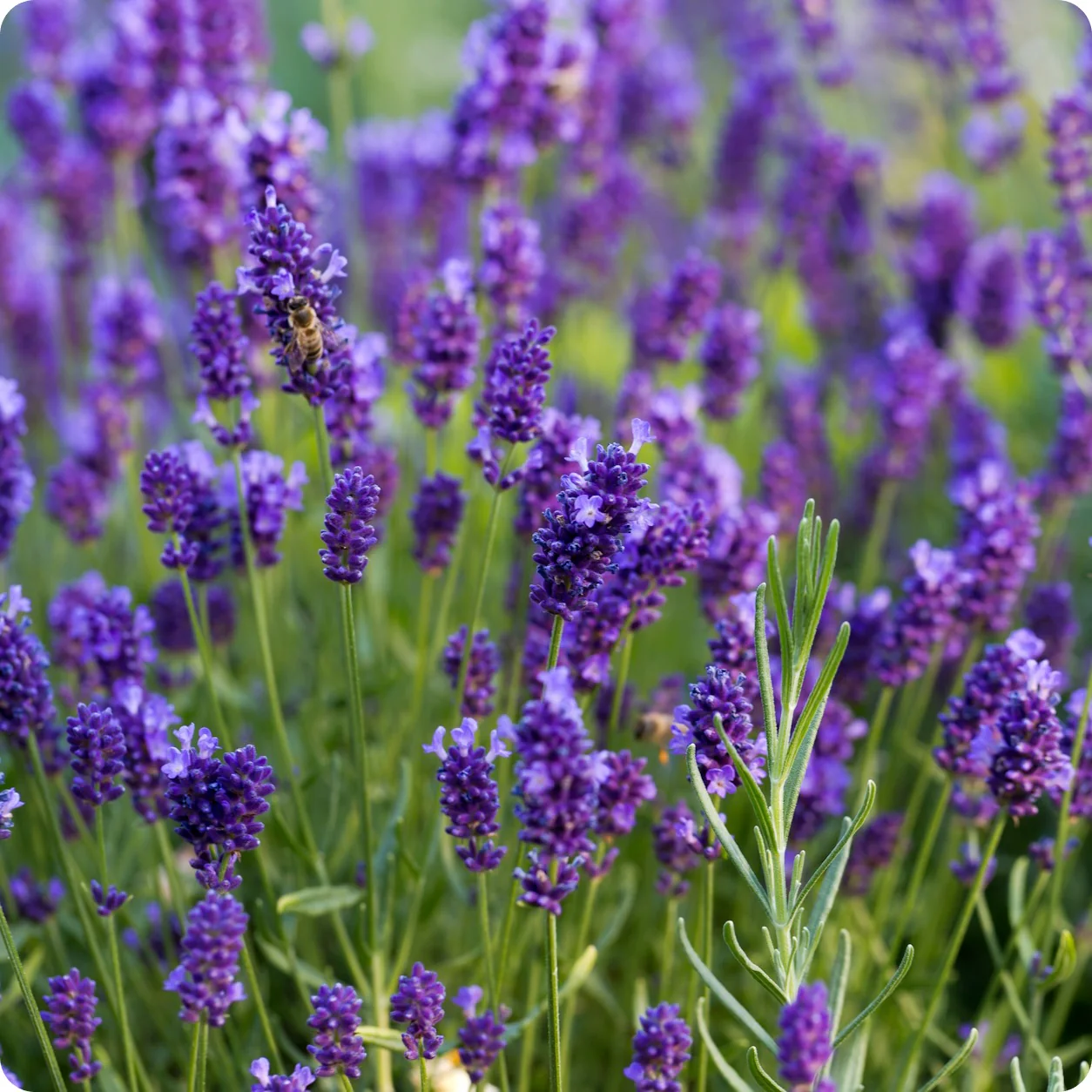
1. Lavender Oil
Lavandula angustifolia — The Gold Standard
Lavender is by far the most extensively studied essential oil for anxiety. A systematic review of 11 randomized controlled trials involving 972 participants found that lavender oil inhalation significantly decreased anxiety in 10 of those studies 5. Another meta-analysis concluded that lavender reduces both state anxiety (temporary, situational) and trait anxiety (chronic, personality-based) 6.
In one landmark study, an oral lavender oil preparation (Silexan, 80 mg/day) demonstrated anxiety reduction comparable to low-dose benzodiazepines in patients with Generalized Anxiety Disorder — without sedation or addiction potential 7. Lavender’s active compounds, linalool and linalyl acetate, enhance GABA activity and have been shown to lower salivary cortisol levels after just 15 minutes of inhalation.
Best for: Generalized anxiety, sleep-related anxiety, pre-procedure nervousness.
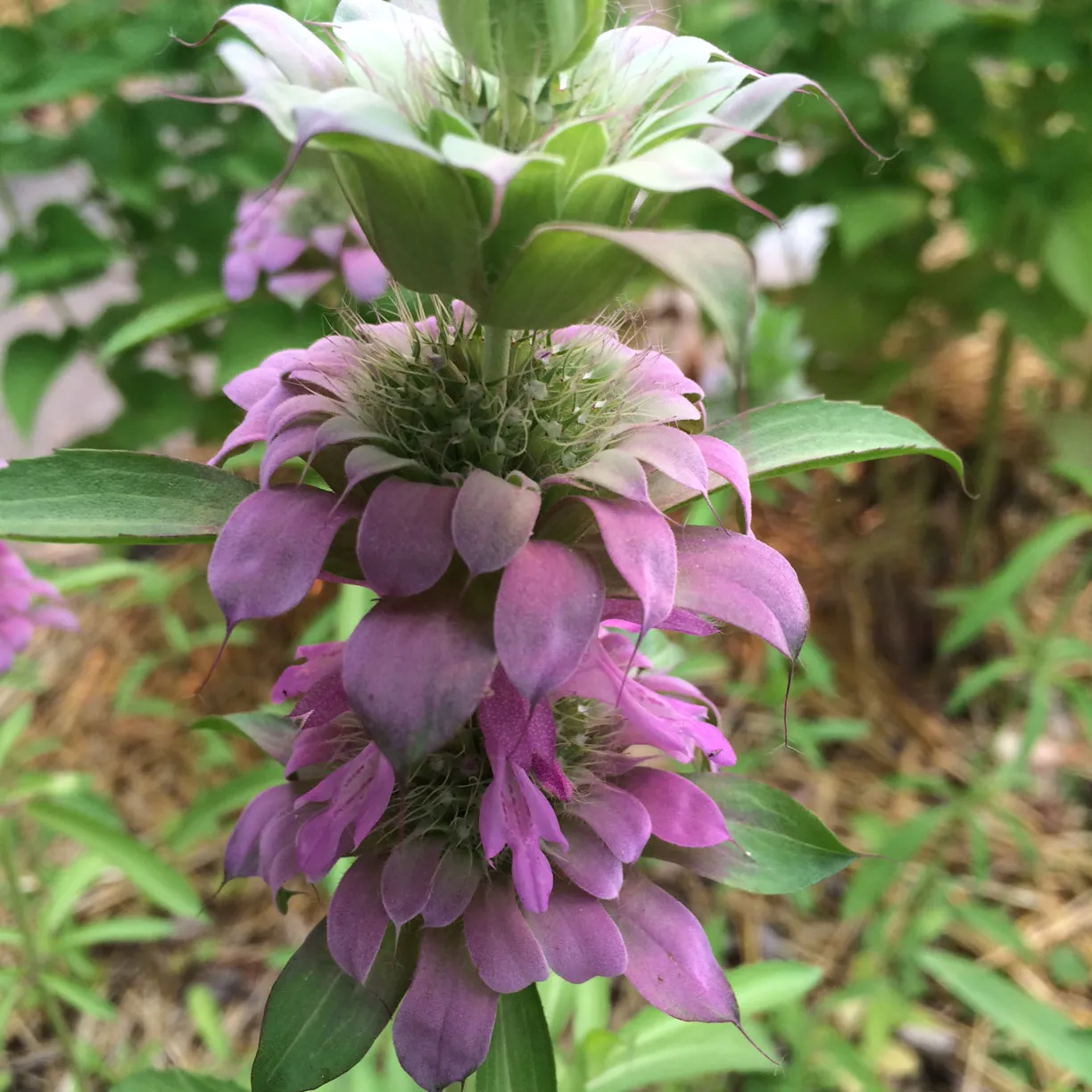
2. Bergamot Oil
Citrus bergamia — The Mood Brightener
Bergamot essential oil stands out for its dual action: it reduces anxiety and actively lifts mood. A 2020 randomized controlled trial found that bergamot aromatherapy significantly decreased anxiety scores and salivary alpha-amylase (a stress biomarker) in surgical patients 8. Another study demonstrated that just 15 minutes of bergamot vapor inhalation lowered salivary cortisol and improved negative emotions and fatigue scores in healthy women 9.
A 2024 RCT examining lavender and bergamot combined aromatherapy in postmenopausal women found significant reductions in both anxiety and depression symptoms. The combination appears particularly powerful — lavender calms while bergamot uplifts, creating a balanced emotional effect 6.
Best for: Mixed anxiety-depression, stress relief during the workday, low mood with tension.
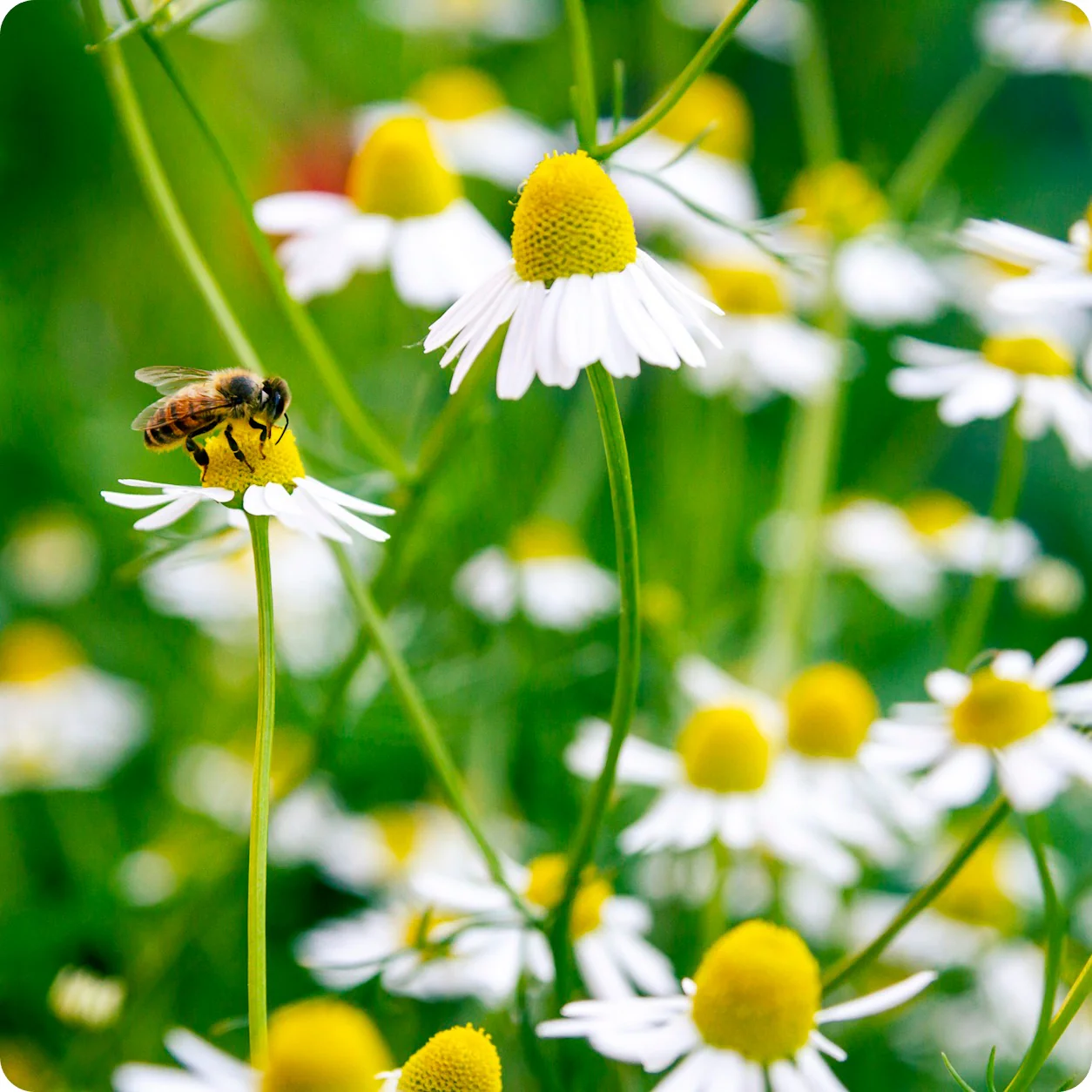
3. Chamomile Oil
Matricaria chamomilla — Nature’s Gentle Sedative
Chamomile’s anxiety-reducing power comes from apigenin, a flavonoid that binds to the same benzodiazepine receptors in the brain targeted by anti-anxiety medications 10. A randomized, double-blind, placebo-controlled trial found that chamomile extract produced a clinically meaningful reduction in Generalized Anxiety Disorder symptoms over 8 weeks, with effects comparable to some pharmaceutical interventions 11.
Chamomile also influences serotonin, dopamine, and noradrenaline pathways, and modulates the hypothalamic-pituitary-adrenal (HPA) axis — the body’s central stress response system. Studies on Roman chamomile specifically showed reduced sleep latency (time to fall asleep) through GABA-dependent mechanisms 10.
Best for: Bedtime anxiety, racing thoughts at night, mild generalized anxiety.
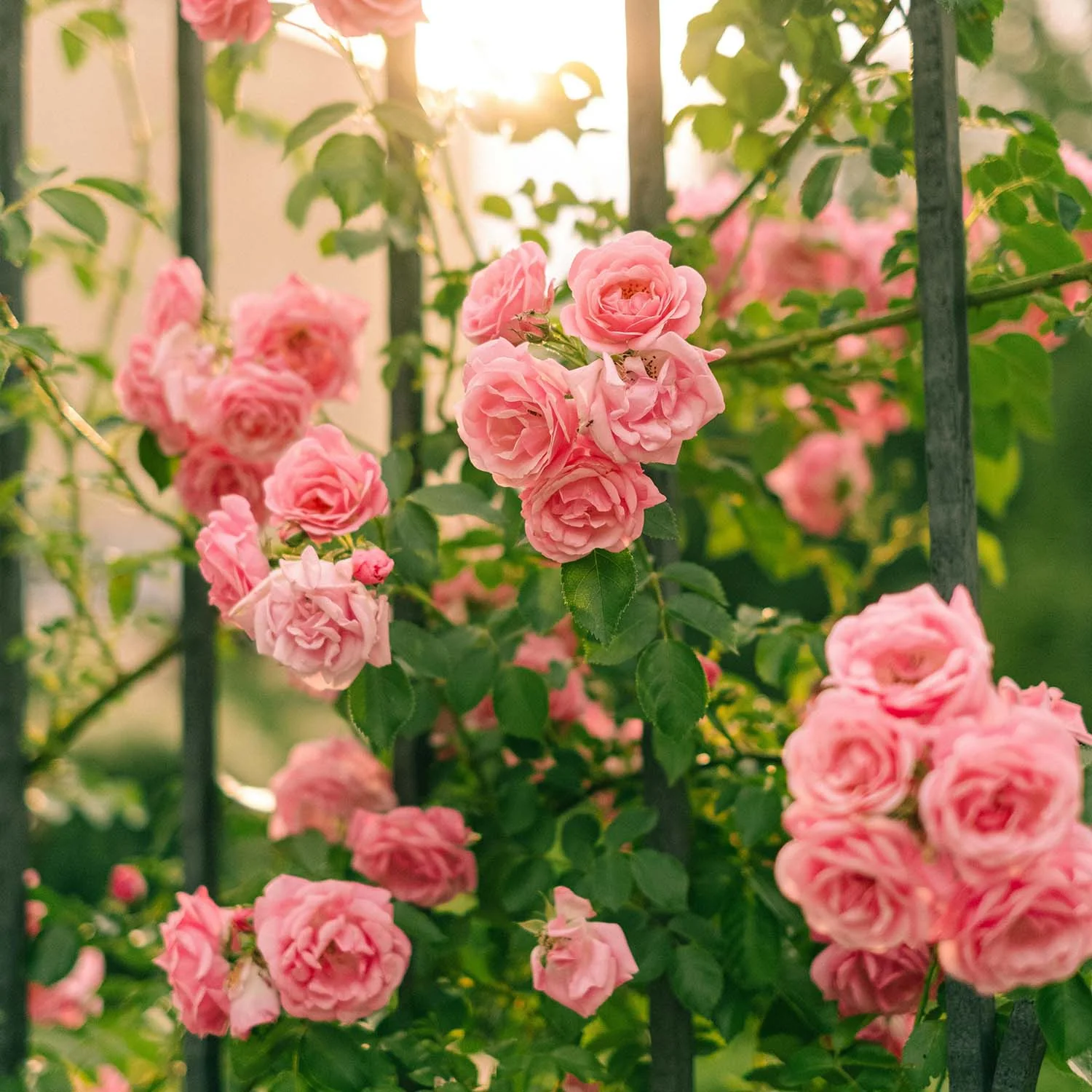
4. Rose Oil
Rosa damascena — The Emotional Healer
Rose oil isn’t just a pretty scent — it has measurable physiological effects on the stress response. Research has shown that inhaling rose oil significantly decreases adrenaline concentrations, reducing the body’s fight-or-flight activation 12. The 2023 network meta-analysis of 44 RCTs ranked Rosa rugosa (damask rose) among the most effective essential oils for reducing both state and trait anxiety 4.
Rose oil appears particularly effective for emotional anxiety — the kind tied to grief, self-esteem, or interpersonal stress. Studies have found it reduces cortisol, increases self-confidence scores, and promotes feelings of emotional balance and well-being 13.
Best for: Grief-related anxiety, low self-esteem, emotional overwhelm, self-soothing rituals.
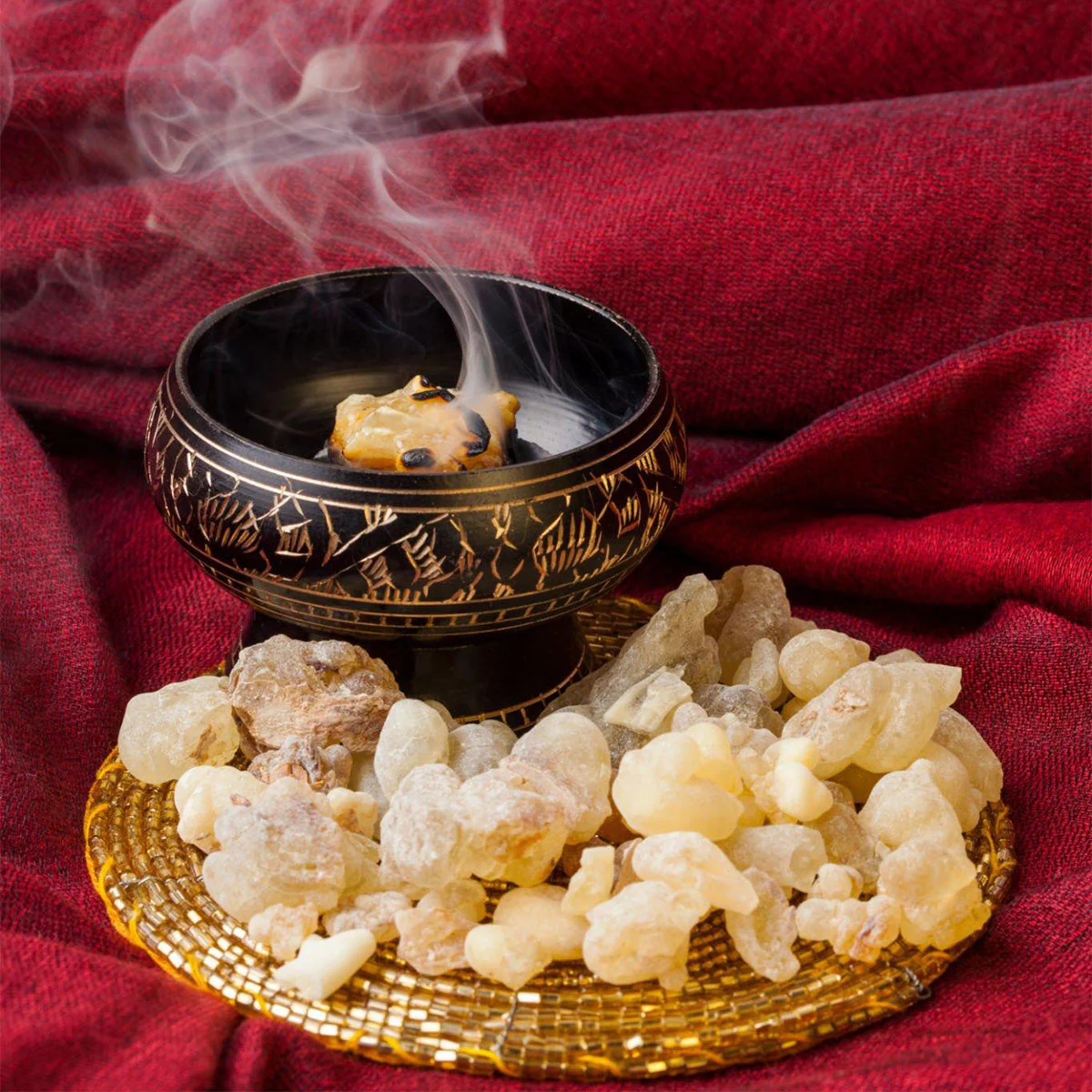
5. Frankincense Oil
Boswellia serrata — The Grounding Resin
Frankincense has been used for millennia in spiritual and meditative practices, and modern science is catching up. A 2020 clinical trial at Mersin Training and Research Hospital found that patients who inhaled frankincense during a painful medical procedure reported significantly lower levels of both pain and anxiety compared to controls 14.
Animal studies offer insight into the mechanism: frankincense essential oil significantly reduced corticosterone (the rodent equivalent of cortisol) in sleep-deprived rats, suggesting a direct effect on the stress hormone axis 15. Frankincense contains boswellic acids, which have anti-inflammatory properties — and since chronic inflammation is increasingly linked to anxiety and depression, this dual mechanism is especially promising.
Best for: Meditative practice, deep breathing exercises, stress with physical tension, spiritual anxiety.
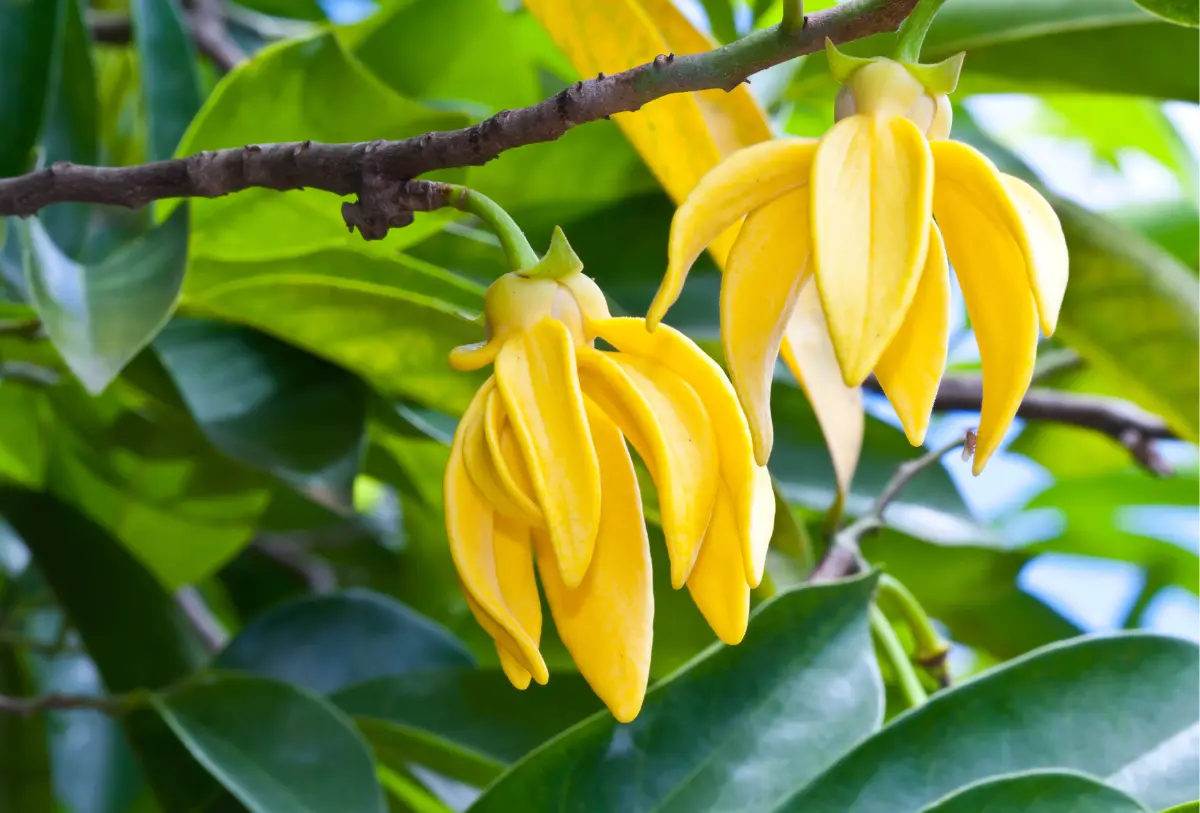
6. Ylang-Ylang Oil
Cananga odorata — The Nervous System Soother
Ylang-ylang is unique among essential oils for its effect on the autonomic nervous system. A controlled study found that ylang-ylang inhalation significantly reduced blood pressure, heart rate, and subjective stress within minutes — effects attributed to increased parasympathetic (“rest and digest”) activity 16.
While results for anxiety specifically are mixed (some studies show strong effects, others show improvement in self-esteem rather than anxiety scores), ylang-ylang consistently demonstrates physiological calming. A pediatric dental study found ylang-ylang aromatherapy significantly reduced both pulse rate and self-reported anxiety in children — a population where medication is often avoided 17. Animal research suggests its anxiolytic effects work through serotonin and dopamine pathways 18.
Best for: Acute stress with physical symptoms (racing heart, high BP), panic-like episodes, pre-performance jitters.
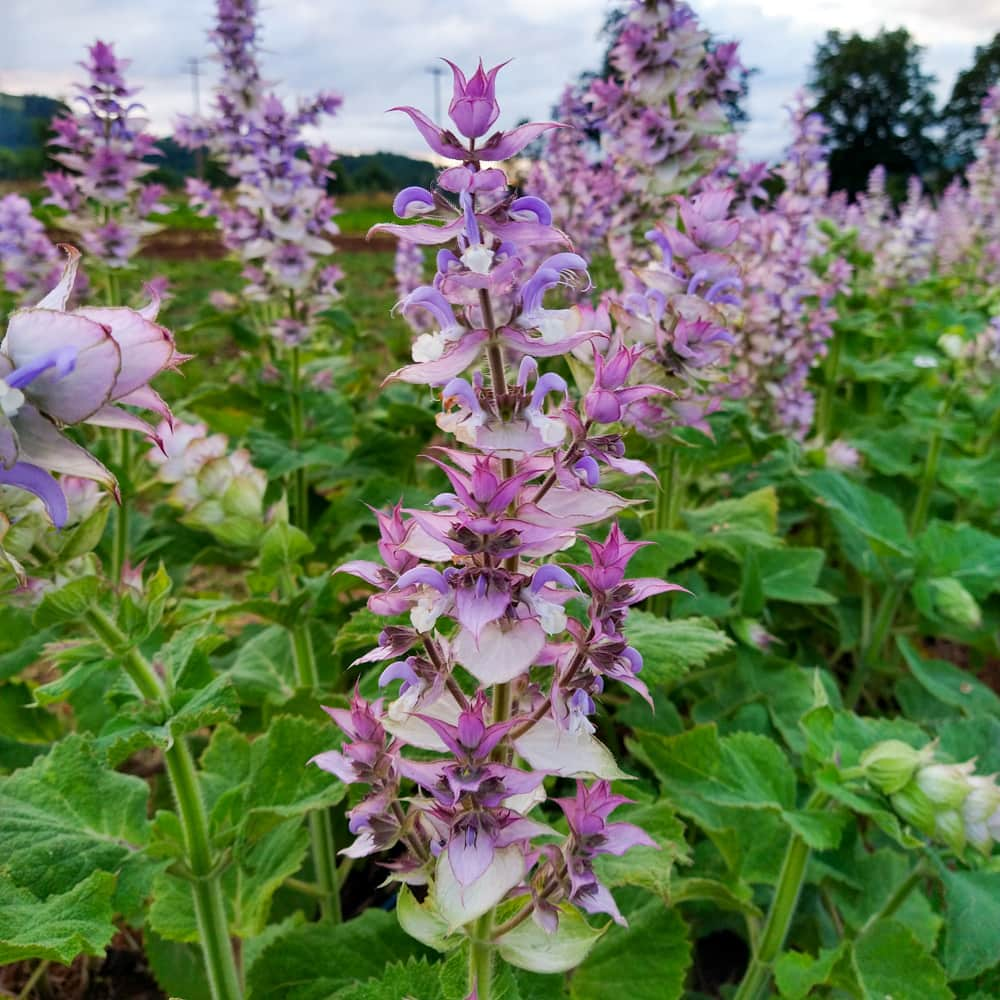
7. Clary Sage Oil
Salvia sclarea — The Cortisol Regulator
Clary sage has emerged as a promising anxiolytic, particularly for hormone-related anxiety. A randomized crossover trial with female collegiate athletes found that clary sage inhalation significantly reduced anxiety, menstrual pain, sleep disturbances, and irritability 19.
Its mechanism is notable: clary sage has been shown to decrease cortisol while simultaneously increasing serotonin (5-HT) concentrations — a dual action that addresses both the stress hormone and the “feel-good” neurotransmitter 20. This makes it particularly relevant for anxiety with a depressive component or anxiety tied to hormonal fluctuations (PMS, perimenopause).
Best for: Hormonal anxiety, PMS-related mood swings, anxiety with depression, bedtime wind-down.

8. Vetiver Oil
Chrysopogon zizanioides — The Deep Grounder
Vetiver oil has a rich, earthy, woody aroma that’s been used for centuries in Ayurvedic medicine for its “grounding” properties. Modern research is now validating this tradition. Animal studies have demonstrated that vetiver essential oil produces anxiolytic effects by altering neuronal activation in the amygdala — the brain’s fear center 21.
A clinical study combining vetiver with orange blossom found significant improvements in sleep quality, systolic blood pressure, and heart rate in participants with sleep disturbances 22. An active clinical trial is currently investigating vetiver’s effects on autonomic nerve parameters in people with depression and anxiety, which should provide more robust human data in the near future 23.
Best for: Deep relaxation, meditation, trauma-related anxiety, feeling “ungrounded” or scattered.
Evidence Comparison at a Glance
| Essential Oil | Evidence Level | Key Mechanism | Best Method | Onset |
|---|---|---|---|---|
| Lavender | Strong | GABA modulation, cortisol ↓ | Inhalation / oral capsule | 10–30 min |
| Bergamot | Strong | Cortisol ↓, mood elevation | Diffuser / topical | 15–30 min |
| Chamomile | Moderate | Benzodiazepine receptor binding | Inhalation / tea | 20–45 min |
| Rose | Moderate | Adrenaline ↓, emotional regulation | Inhalation / topical | 10–20 min |
| Frankincense | Moderate | Corticosterone ↓, anti-inflammatory | Inhalation / meditation | 15–30 min |
| Ylang-Ylang | Moderate | Parasympathetic activation, BP ↓ | Inhalation / pulse points | 5–15 min |
| Clary Sage | Emerging | Cortisol ↓, serotonin ↑ | Inhalation / bath | 20–40 min |
| Vetiver | Emerging | Amygdala modulation | Inhalation / topical (feet) | 20–40 min |
How to Use Essential Oils for Anxiety: A Practical Guide
Getting the delivery method right is just as important as choosing the right oil. Here are the evidence-backed approaches:
🧪 Diffusion (Best Overall)
Add 4–6 drops of essential oil to a diffuser with water. Run for 30–60 minutes in your space. This is the method used in most clinical trials and provides a steady, low-concentration exposure. Ideal for: general anxiety, work-from-home stress, bedtime routine.
👐 Topical Application
Always dilute — mix 3–5 drops of essential oil with 1 tablespoon (15 mL) of carrier oil (jojoba, coconut, almond). Apply to wrists, behind ears, temples, or soles of feet. Never apply undiluted essential oils directly to skin — this can cause irritation, sensitization, or even chemical burns.
🛁 Aromatherapy Bath
Mix 5–10 drops of essential oil with 1 tablespoon of carrier oil or Epsom salts before adding to bathwater (oils don’t mix with water alone). Soak for 20 minutes. The combination of warm water, magnesium (from Epsom salts), and essential oils creates a powerful relaxation synergy.
😤 Direct Inhalation (For Acute Anxiety)
Place 1–2 drops on a tissue or cotton ball. Hold near your nose and take 5–10 slow, deep breaths. This method delivers the fastest onset — ideal for sudden anxiety spikes, panic sensations, or pre-event nervousness.
Safety & Precautions — What You Need to Know
⚠️ Important Safety Guidelines
- Dilution is mandatory. Essential oils are highly concentrated plant extracts. A 3% dilution (3 drops per teaspoon of carrier oil) is safe for most adults. For facial application, use 1% or less.
- Photosensitivity warning. Bergamot and other citrus oils can cause severe sunburn if applied to skin before UV exposure. Use bergapten-free (FCF) bergamot for topical use, or avoid sun exposure for 12+ hours after application.
- Pregnancy & breastfeeding. Many essential oils are contraindicated during pregnancy, especially in the first trimester. Clary sage, in particular, may stimulate uterine contractions. Consult your healthcare provider before using any essential oil while pregnant.
- Children & pets. Essential oils are far more potent for small bodies. Many oils (including tea tree, eucalyptus, and wintergreen) are toxic to pets. Never diffuse around birds. For children, use half the adult dilution and avoid certain oils entirely under age 6.
- Medication interactions. Essential oils that affect GABA or serotonin (lavender, chamomile, clary sage) may interact with sedatives, antidepressants, or anti-anxiety medications. If you take any prescription medication, consult your doctor before adding essential oils to your routine.
- Quality matters. The essential oil market is largely unregulated. Look for oils labeled “100% pure,” with the botanical name on the label, sold in dark glass bottles, and from reputable brands that provide third-party GC/MS testing reports.
- Not a replacement for professional care. Essential oils are complementary tools — not substitutes for therapy, medication, or medical treatment. If you experience severe or persistent anxiety, seek help from a qualified mental health professional.
Frequently Asked Questions
For rapid relief, lavender and ylang-ylang show the fastest onset. Lavender works through GABA receptors and has been shown to reduce anxiety within 10–15 minutes of inhalation. Ylang-ylang can lower blood pressure and heart rate within 5–15 minutes. For acute situations like panic sensations or pre-event jitters, direct inhalation (1–2 drops on a tissue) of either oil is your best bet.
No. Essential oils are complementary tools — they are not substitutes for prescribed medication. While lavender (Silexan) has shown efficacy comparable to low-dose benzodiazepines in clinical trials, it was studied under controlled pharmaceutical-grade conditions, not with over-the-counter essential oils. Never discontinue or modify your medication without consulting your prescribing physician. Essential oils work best alongside professional treatment, not in place of it.
Effects typically last 1–4 hours after a single inhalation session, though this varies by oil, method, and individual. Topical application may provide longer-lasting effects (2–6 hours) as the oils continue absorbing through the skin. For sustained anxiety management, consistent daily use (e.g., diffusing in the evening or applying diluted oil to pulse points each morning) yields better cumulative results than occasional use.
Yes, and blending can be more effective than single oils. A 2024 clinical trial found that lavender + bergamot combined was more effective for anxiety and depression symptoms than either oil alone. Popular calming blends include: lavender + bergamot + frankincense (grounding), rose + chamomile (soothing), and clary sage + ylang-ylang (hormonal balance). Start with equal parts and adjust to your preference. Always dilute blends before topical use.
Despite its popularity and many other uses (antimicrobial, skincare), there is no clinical research supporting tea tree oil for anxiety relief. Tea tree oil’s primary active compound, terpinen-4-ol, has demonstrated antimicrobial and anti-inflammatory effects — not anxiolytic ones. Using unproven oils for anxiety can lead to disappointment and delays in finding effective treatments. We’ve focused this guide exclusively on oils with published clinical evidence for anxiety specifically.
Look for these quality markers: 1) The botanical (Latin) name on the label (e.g., Lavandula angustifolia, not just “lavender”). 2) “100% pure essential oil” with no additives or carrier oils listed. 3) Sold in dark amber or cobalt glass bottles (light degrades oils). 4) The brand provides batch-specific GC/MS (Gas Chromatography/Mass Spectrometry) testing reports. 5) A reasonable price — if it’s dramatically cheaper than competitors, it’s likely diluted or synthetic. Reputable brands include doTERRA, Plant Therapy, Aura Cacia, Edens Garden, and Rocky Mountain Oils.
The Bottom Line
The scientific case for essential oils as anxiety management tools has never been stronger. Lavender, bergamot, chamomile, rose, frankincense, ylang-ylang, clary sage, and vetiver all have published research backing their calming effects — some with evidence rivaling that of conventional treatments.
But the key is using them correctly: choosing oils with actual evidence (not just tradition), diluting properly, being aware of safety interactions, and viewing them as complementary to — not replacements for — professional mental health care.
Start with lavender or bergamot if you’re new to aromatherapy. They have the strongest evidence, the widest safety margins, and the most straightforward use. Pay attention to how your body responds, and adjust from there.
If you or someone you know is struggling with severe anxiety, please reach out. The 988 Suicide & Crisis Lifeline provides 24/7, free, confidential support. Call or text 988 or visit 988lifeline.org.
For more on mental wellness, read our in-depth guide: The Mental Health of Americans: 8 Major Challenges in U.S. Mental Health Care
Related Articles:
• Nervous System Regulation: The Missing Pillar of Longevity
• HPA Axis Dysfunction: Why You’re Chronically Burnt Out Despite Rest
• Blood Sugar Dysregulation: The Hidden Cause of Fatigue, Cravings & Weight Gain
References
- World Health Organization. (2022). Mental Health and COVID-19: Early evidence of the pandemic’s impact. WHO/2019-nCoV/Sci_Brief/Mental_health/2022.1. View Source
- Kadohisa, M. (2013). Effects of odor on emotion, with implications. Frontiers in Systems Neuroscience, 7, 66. PMC3794443
- Cavanagh, H.M.A. & Wilkinson, J.M. (2002). Biological activities of lavender essential oil. Phytotherapy Research, 16(4), 301–308. PMID: 12112282
- Tan, L. et al. (2023). Essential oils for treating anxiety: A systematic review and network meta-analysis of randomized controlled trials. Frontiers in Public Health, 11, 1144404. DOI: 10.3389/fpubh.2023.1144404
- Donelli, D. et al. (2019). Effects of lavender on anxiety: A systematic review and meta-analysis. Phytomedicine, 65, 153099. PMID: 31655395
- Chen, T. et al. (2024). The effects of aromatherapy on anxiety and depression in menopausal women: A systematic review. MDPI Healthcare, 11(22), 2978. DOI: 10.3390/healthcare11222978
- Kasper, S. et al. (2010). Silexan, an orally administered Lavandula oil preparation, is effective in the treatment of subsyndromal anxiety disorder. International Clinical Psychopharmacology, 25(5), 277–287. PMID: 20568652
- Pasyar, N. et al. (2020). The effect of bergamot orange essence on anxiety and salivary alpha-amylase in patients prior to laparoscopic cholecystectomy. Complementary Therapies in Medicine, 51, 102410. PMID: 32379683
- Watanabe, E. et al. (2015). Effects of bergamot essential oil aromatherapy on mood states and salivary cortisol levels. Journal of Alternative and Complementary Medicine, 21(4), 213–218. PMID: 25824404
- Srivastava, J.K. et al. (2010). Chamomile: A herbal medicine of the past with bright future. Molecular Medicine Reports, 3(6), 895–901. PMC2995283
- Amsterdam, J.D. et al. (2009). A randomized, double-blind, placebo-controlled trial of oral Matricaria recutita (chamomile) extract for generalized anxiety disorder. Journal of Clinical Psychopharmacology, 29(4), 378–382. PMID: 19593179
- Hongratanaworakit, T. (2004). Relaxing effect of rose oil on humans. Natural Product Communications, 4(2), 291–296. PMID: 15030912
- Igarashi, T. et al. (2014). The effects of rose essential oil on stress parameters. Journal of Physiological Anthropology, 33(1), 27. PMID: 25076278
- Okano, S. et al. (2020). The effects of frankincense essential oil on stress-related parameters. BMC Complementary Medicine and Therapies, 20(1), 158. PMID: 32688401
- Moss, M. et al. (2017). Aromas of frankincense and their influence on stress. Human Psychopharmacology, 32(5), e2623. PMID: 27117114
- Jung, D.J. et al. (2013). Effects of ylang-ylang aroma on autonomic nervous system. Evidence-Based Complementary and Alternative Medicine, 2013, 601318. PMID: 23762148
- Kyle, G. et al. (2013). Evaluating the use of aromatherapy in managing pediatric dental anxiety. International Journal of Paediatric Dentistry, 23(6), 415–421. PMID: 31582666
- Zhang, N. et al. (2016). Anxiolytic effect of essential oils and their constituents. Current Neuropharmacology, 14(4), 370–383. PMC4876599
- Lee, M.S. et al. (2020). Effects of clary sage aromatherapy on anxiety and menstrual pain in female collegiate athletes. Journal of Alternative and Complementary Medicine, 26(8), 706–711. PMID: 35551977
- Lee, K.B. et al. (2014). Changes in cortisol and 5-HT concentrations after clary sage oil inhalation. Phytotherapy Research, 28(11), 1599–1605. PMID: 24802524
- Saiyudthong, S. et al. (2015). Anxiolytic-like effects of vetiver oil in rats. Natural Product Research, 29(7), 690–692. PMID: 25553641
- Cheaha, D. et al. (2016). Effects of vetiver and orange blossom essential oils on sleep quality. Journal of the Medical Association of Thailand, 99(5), 550–557. PMID: 27912874
- ClinicalTrials.gov. (2026). Study on the efficacy of vetiver essential oil aroma on depression and anxiety. Identifier: NCT05024136. View Trial