
Shilajit is a resin that seeps from rock in the Himalayas, sold as a testosterone booster, an energy tonic and a longevity supplement. The clinical evidence is a handful of small trials, the marketing considerably outruns it, and the documented risk is not an upset stomach — it is heavy metal contamination, including cases of lead poisoning.
Medically reviewed by Dr. A. Collins, MDBoard Certified Internist · Updated 26 October 2026
What shilajit actually is
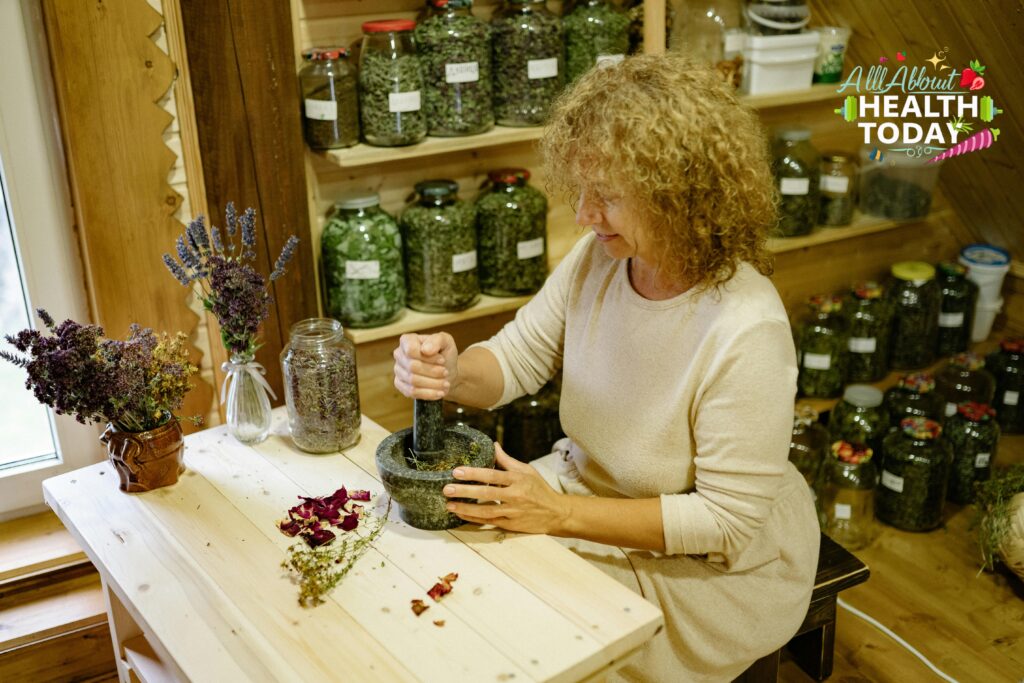
Shilajit is not a plant. It is a humic substance — a complex mixture of organic matter, minerals and fulvic and humic acids that accumulates in rock crevices over long periods. It has been used in Ayurvedic medicine for centuries under several names, including mumie and moomiyo, and that history is the entire basis for most of what you read about it.
Chemically it is variable by nature. Because it is a geological product rather than a cultivated one, its composition depends on where it was collected, how it was purified, and what the surrounding rock contained. Reviews of its chemical composition make this point directly: consistency is not a property shilajit has (Kamgar, 2025).
It is worth separating the two things being sold. Traditionally, shilajit was a general restorative in a system of medicine with its own logic. Commercially, it is sold as a targeted performance supplement with specific numerical promises. The second does not inherit credibility from the first.
Where the claims come from
The traditional-use literature is substantial and genuinely interesting. Reviews of shilajit in Indian medicine document a long history of use as a rejuvenating and diuretic preparation, with applications that range across fatigue, digestion and what older texts called “vigour” (Wilson, 2011).
Traditional use is not evidence of efficacy, but it is not nothing either — it tells you the substance has been consumed by many people over a long period without obvious catastrophe, which is weak but real safety information. What it does not tell you is whether it does any of the specific things claimed for it today.
“A substance used for centuries tells you something about tolerability. It tells you nothing about whether the effect survives a controlled trial.”
What the trials actually show
This is where the article has to be careful, because the shilajit trial literature is small, mostly single-centre, and often funded or supplied by manufacturers.
The most cited human study gave purified shilajit to healthy volunteers and reported increases in total testosterone alongside improvements in fatigue scores over 90 days (Pandit, 2016). It is a real trial and it is the strongest single piece of human evidence. It is also small, short, conducted by researchers with an interest in the outcome, and not replicated at scale.
A later randomised trial examined a shilajit extract on oxidative stress, inflammatory markers and bone turnover, reporting dose-dependent effects on several of those markers (Pingali, 2022). Again: measurable biomarker movement, not a demonstrated clinical outcome like fracture reduction or improved function.
Broader reviews of safety and efficacy describe the evidence as promising but preliminary (Stohs, 2014), and a comprehensive review of traditional and modern uses reaches a similar place (Agarwal, 2007). The pattern is consistent: plausible mechanisms, small trials, biomarker endpoints, and no large independent study.
A testosterone increase in a small trial of healthy men is not the same as a treatment for low testosterone. If you have symptoms of hypogonadism, the diagnostic pathway involves repeat morning blood tests, and the treatments that work are prescribed and monitored — not bought in a jar.
The contamination problem
This is the part that deserves more attention than it gets. Because shilajit is a rock-derived product, it can carry whatever heavy metals were present where it formed, and purification quality varies enormously between suppliers — from those with third-party testing to those with none.
Shilajit has its own version of this problem. A dedicated review of heavy metals and humic substances in shilajit frames the issue precisely: the same mineral-rich composition that is marketed as a benefit is also the mechanism by which toxic elements can be present (Hussain, 2024).
That is an unusual risk profile. Most supplement risks are about wasted money or mild side effects. This one is about cumulative exposure to a neurotoxin, and the symptoms of low-level lead exposure — fatigue, headache, poor concentration, abdominal discomfort — are exactly the symptoms shilajit is sold to fix.
How to read a shilajit label
- Third-party heavy metal testing, named. Not “purified”, not “lab tested” — the name of the laboratory and the certificate. This is the single most important line on the label.
- A stated fulvic acid percentage. Fulvic acid content is the usual marker of quality and potency; a product that does not quantify it is not telling you what it contains.
- Source and purification method. Region plus process. “Himalayan” alone is a marketing word, not a specification.
- Dose per serving in milligrams. Trials used defined doses; a dropper with no figure is unmeasurable.
- Suspicion of liquid resins sold loose. Unregulated resin is the highest-risk format because nothing about it is verifiable.
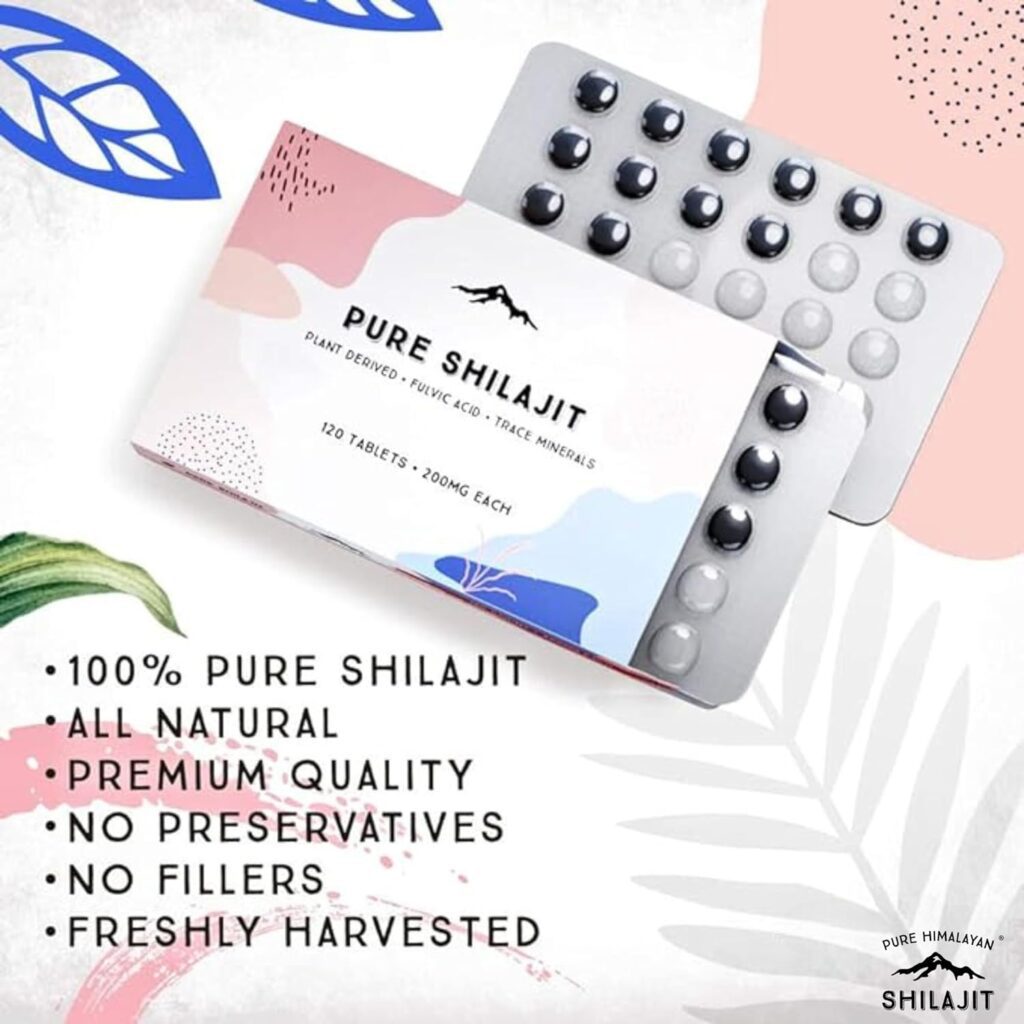
The image here shows a typical commercial shilajit product of the kind sold online: a purified resin, marketed on fulvic acid content and traditional use.
I have not lab-tested this product and cannot verify its heavy metal profile, which is the honest limit of any review written without a laboratory. What can be said is that the category as a whole has a documented contamination problem, and that the products worth considering are the ones that publish an assay rather than a heritage story.
If you want to try it anyway: buy from a supplier with a published certificate of analysis, keep to the labelled dose, and stop if you notice symptoms that could indicate metal exposure. A purified shilajit resin is what the category generally looks like.
Some links in this article are affiliate links. If you buy through them we may earn a commission at no extra cost to you. We have not lab-tested this product and this does not change the assessment above.
Who should avoid it
- Anyone pregnant or breastfeeding. No safety data, and heavy metal exposure is a specific concern in pregnancy.
- Children. Same reason, with a lower tolerance threshold.
- People with kidney disease. An unquantified mineral load is the last thing impaired kidneys need — see the kidney diet guide.
- Anyone already taking a multivitamin with trace minerals. The exposures stack, and shilajit’s contribution is unmeasured.
- People being treated for low testosterone. Adding an unregulated supplement alongside prescribed therapy makes the monitoring meaningless.
The honest bottom line
What shilajit is worth
Evidence: a few small trials, mostly manufacturer-linked, showing biomarker movement and a modest testosterone increase in healthy men. No large independent replication. Not a treatment for anything.
Risk: documented heavy metal contamination across the supplement category, including lead poisoning cases traced to Ayurvedic products. The symptoms of low-level exposure overlap with the symptoms it is sold to treat.
Verdict: a reasonable thing to be curious about, a poor thing to buy on impulse. If you do buy, the certificate of analysis matters more than the fulvic acid number, and both matter more than the traditional-use story.
If you are looking for supplements where the evidence is stronger, the comparison is unflattering: omega-3 for people who do not eat fish (the omega-3 guide), vitamin D where deficiency is documented (vitamin D deficiency), and magnesium where intake is genuinely low (magnesium types compared). The same label-reading discipline applies to the sea moss review and to immune supplements. General vitamin coverage is in the vitamins guide and the First Day review.
How shilajit compares with better-evidenced options
Supplement shelves are competitive, and shilajit is rarely bought in isolation. The useful comparison is not shilajit versus nothing — it is shilajit versus the things someone with the same complaint could take instead.
- For fatigue: iron where deficiency is confirmed, vitamin B12 where intake is low, and thyroid function checked. Shilajit has one small trial with a fatigue score; the alternatives have diagnostic pathways.
- For low testosterone symptoms: repeat morning blood tests and, if confirmed, monitored treatment. A supplement trial is not a substitute, and the risk here is delaying a diagnosis.
- For joint and connective tissue complaints: collagen has a larger — if still modest — evidence base, covered in collagen supplements.
- For general inflammation: dietary patterns outperform any single supplement, as set out in anti-inflammatory foods.
- For skin and hair claims: the evidence is thinner still, and the general principles are covered in the six-step skincare routine.
None of that makes shilajit worthless. It does mean that if you have a specific complaint, shilajit is rarely the highest-yield first move — and that a supplement chosen because it is interesting is a different purchase from one chosen because it is indicated.
How to tell whether it is doing anything
Supplement decisions are usually made on how people feel, which is a poor instrument. Two things make the experiment worth running rather than a permanent subscription to a feeling.
- Pick a measurable endpoint before you start. Energy on a one-to-ten scale at the same time each day, sleep quality, or an actual blood marker if one is relevant. Write it down before the first dose.
- Run it for a defined period. The testosterone trial ran 90 days. Six weeks is a reasonable minimum; a fortnight is not enough to distinguish an effect from normal variation.
- Stop, and see what happens. This is the step almost nobody takes. If symptoms return within two weeks of stopping, you have stronger evidence than any before-and-after impression.
- Change one thing at a time. Starting shilajit, magnesium and a new multivitamin in the same week means you learn nothing about any of them.
This is not scepticism for its own sake. A defined endpoint and a stopping rule are what turn a supplement habit into an experiment you can actually learn from — and they are the same discipline that makes any health change worth the money.
Common questions about shilajit
Does shilajit really raise testosterone?
One small trial in healthy volunteers reported an increase over 90 days. It has not been replicated at scale by independent researchers, and a supplement trial is not a substitute for proper investigation of low testosterone.
Is shilajit safe?
The main concern is heavy metal contamination, which is documented across Ayurvedic and natural health products and has caused lead poisoning. A product with a published third-party assay is a different risk proposition from one without.
How much should I take?
Trials used specific purified doses in the hundreds of milligrams. Follow a label that states milligrams per serving; a dropper with no number gives you no dose.
What does fulvic acid percentage mean?
It is the usual proxy for quality and potency in shilajit. A stated percentage is a sign the manufacturer is measuring something; it does not by itself prove the product is free of contaminants.
Can I get shilajit from food?
No. It is a rock exudate, not a food, and it has no dietary reference intake or established nutritional role.
What are the side effects?
Reported effects include digestive upset and, at higher intakes, a theoretical risk from mineral load. The more serious concern is cumulative heavy metal exposure, which produces no immediate symptoms.
Sources
- Kamgar E, et al. A comprehensive review on shilajit: what we know about its chemical composition. Crit Rev Anal Chem. 2025. PMID 38133965
- Wilson E, et al. Review on shilajit used in traditional Indian medicine. J Ethnopharmacol. 2011. PMID 21530631
- Pandit S, et al. Clinical evaluation of purified shilajit on testosterone levels in healthy volunteers. Andrologia. 2016. PMID 26395129
- Pingali U, et al. Shilajit extract reduces oxidative stress, inflammation and bone loss. Phytomedicine. 2022. PMID 35933897
- Stohs SJ. Safety and efficacy of shilajit (mumie, moomiyo). Phytother Res. 2014. PMID 23733436
- Agarwal SP, et al. Shilajit: a review. Phytother Res. 2007. PMID 17295385
- Hussain A, et al. Hazardous or advantageous: uncovering the roles of heavy metals and humic substances in shilajit. Biol Trace Elem Res. 2024. PMID 38393486
- Breeher L, et al. A cluster of lead poisoning among consumers of Ayurvedic medicine. Int J Occup Environ Health. 2015. PMID 25843124
- Genuis SJ, et al. Toxic element contamination of natural health products and pharmaceutical preparations. PLoS One. 2012. PMID 23185404
- Philips CA, et al. Analysis of 386 alternative medicinal products implicated in liver injury. Front Gastroenterol. 2026. PMID 41890551