
Understanding CKM Syndrome: Unraveling Its Cancer Risk Link
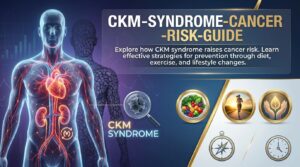
Understanding how interconnected conditions amplify health risks is crucial. Cardiovascular-kidney-metabolic (CKM) syndrome is one such condition, linking heart, kidney, and metabolic issues to increased cancer risk. Let’s delve into CKM syndrome, identify those most at risk, and explore practical steps to mitigate these dangers.
What Is CKM Syndrome?
CKM syndrome represents a spectrum of intertwined health issues affecting the cardiovascular, kidney, and metabolic systems. It begins with excessive body fat, especially around the abdomen, and can progress to severe insulin resistance, hypertension, and organ damage. This syndrome builds on the framework of metabolic syndrome (MetS), known for its criteria like central obesity and elevated blood pressure.
CKM unfolds through stages—from overweight conditions without metabolic syndrome to advanced stages where both cardiovascular disease and chronic kidney disease are present. Such progression significantly increases risks for debilitating diseases, including diabetes and cancer, particularly at stage 4, where risks can soar by up to 30%.
Unveiling the Cancer Risk Link
Why does CKM syndrome hike cancer risk? The connection lies in shared biological pathways. Factors like chronic inflammation, insulin resistance, and altered adipokines contribute to tumor formation. Studies indicate that individuals with the most advanced CKM stages face approximately 30% higher cancer odds compared to those outside the syndrome’s grip. Even at MetS stage, the risk for cancers, such as colorectal and breast cancer, is notable, underscoring the need for early intervention.
Who Is Most Vulnerable?
The statistics paint a stark picture: Over 90% of U.S. adults possess at least one CKM-related risk factor. Full-blown MetS affects nearly one-third of adults, with prevalence rising with age, particularly affecting those over 50. Women, particularly non-Hispanic Black and Mexican-American groups, alongside individuals with lower socioeconomic status, are at heightened vulnerability.
strategies“>Evidence-Based Prevention Strategies
Tackling CKM components through lifestyle interventions has shown to significantly reduce progression and cancer risk:
- Dietary Adjustments: Adopt a Mediterranean or DASH diet, rich in fruits, vegetables, whole grains, and healthy fats. Limiting processed foods and red meats helps cut inflammation and insulin resistance. Even modest weight loss (5-10%) has been shown to reverse MetS in 30-50% of cases.
- Increased Physical Activity: Engage in at least 150 minutes of moderate aerobic exercise weekly, paired with resistance training. This routine not only boosts metabolism but also reduces disease progression risks by up to 40%.
- Alcohol and Tobacco Moderation: Limiting alcohol and eliminating tobacco usage are pivotal, as both exacerbate cardiovascular and kidney conditions, further heightening cancer risks.
While medications like statins and metformin can support these efforts, lifestyle changes deliver the broadest benefits.


Practical Steps You Can Take Today
- Assess Your Risk: Regularly monitor vital health metrics like waist size and blood pressure. A visit to your healthcare provider can help identify CKM components early.
- Start a Fitness Routine: Begin with a 30-minute walk today and gradually aim for 150 minutes of activity per week. Incorporate simple bodyweight exercises for added benefits.
- Transform Your Diet: Swap out sugary snacks for healthier options like nuts and berries. Use food tracking tools to achieve and maintain a healthy weight.
- Limit Alcohol and Quit Smoking: Utilize resources such as quitlines and apps to support lifestyle changes.
- Monitor Your Progress: Regular lab testing and follow-ups with healthcare professionals will help keep you on track with managing CKM risks.
Empowering yourself with these strategies can effectively lower your CKM advancement and associated cancer risks.
FAQ Section
What is CKM syndrome?
CKM syndrome is a medical condition where cardiovascular, kidney, and metabolic disorders overlap, significantly increasing the risk of conditions like diabetes and cancer.
How does CKM syndrome increase cancer risk?
Shared mechanisms like chronic inflammation and insulin resistance in CKM syndrome promote cancer development across various organs.
Who is most at risk for CKM syndrome?
Older adults, women, and certain ethnic minorities, particularly those over 50 or with low socioeconomic status, face higher risks.
What lifestyle changes can help manage CKM syndrome?
Adopting a healthy diet, increasing physical activity, and avoiding alcohol and tobacco significantly reduce disease progression and related cancer risks.
How can I assess my CKM risk?
Monitoring waist size, blood pressure, fasting glucose levels, and cholesterol through regular health check-ups can help assess and address CKM risk components.
By understanding CKM syndrome and implementing these prevention strategies, we can take control of our health and mitigate the risks that accompany this complex condition.