

How People Use AI to Track Their Health
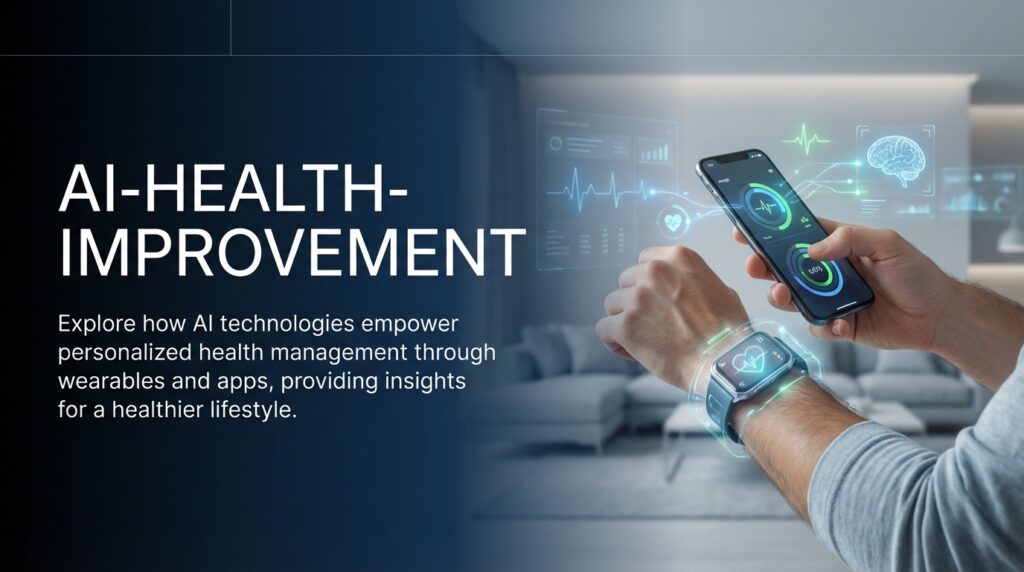
Keeping track of your health information is no easy task. We all have personal goals, whether it’s boosting our energy, managing stress, or preventing chronic disease. With Artificial Intelligence (AI) becoming a mainstream tool, what was once futuristic is now a practical and accessible solution to improve our health. This blog explores how AI transforms personal health journeys, offering a reassuring helping hand to navigate this complex terrain with confidence.
powered-wellness-apps-gaining-popularity”>Why Are AI-Powered Wellness Apps Gaining Popularity?
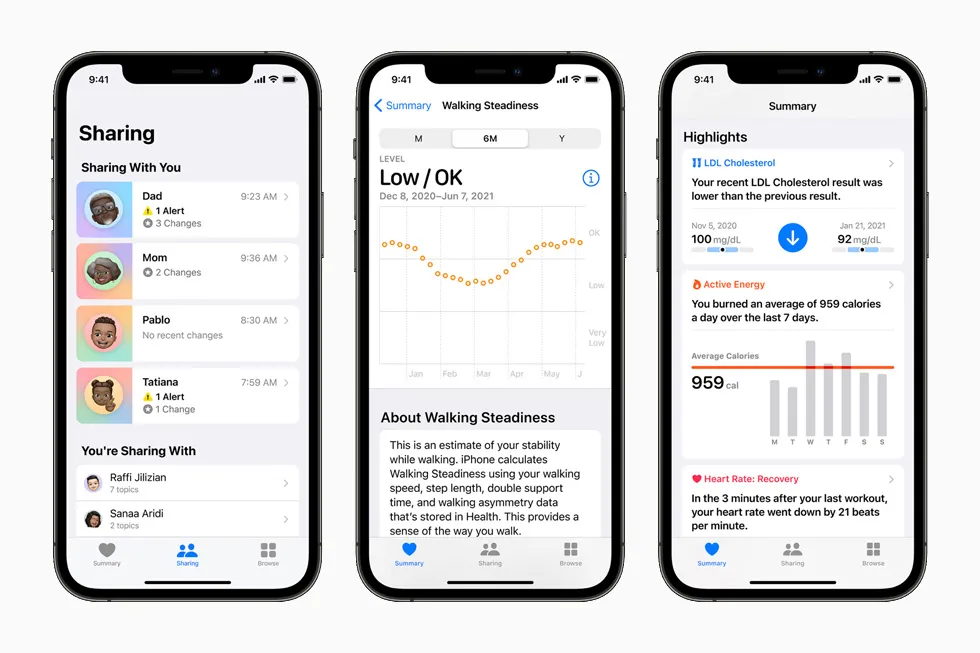
AI-powered apps offer personalized wellness guidance by integrating data from various sources—nutrition logs, exercise monitors, and mindfulness records. They promise a holistic view of your health, making it easier to optimize areas like cognitive health and longevity. By bypassing traditional intermediaries like pharmacies, these apps foster a direct connection between you and your health advocacy.
Benefit in daily life: Imagine having a digital health assistant in your pocket, ready to provide personalized advice to help manage stress, improve diet, or increase productivity.
What Role Does AI Play in Integrating with Provider Care?
AI’s integration into healthcare allows a seamless connection between personal health data and professional medical insight. AI analyzes data from personal devices together with electronic medical records. This collaborative approach creates customized treatment plans, emphasizing precision medicine tailored to your genetics, environment, and lifestyle.
Patient empowerment: Contributing your health data to your provider ensures you’re an active participant in your health journey, which enhances communication and fills potential care gaps.
What Are Emerging Consumer Applications in AI Health Management?
By 2026, AI is expected to handle real-time tasks like predictive risk alerts and providing workflow tools in daily health routines. This shift marks a significant stride towards greater autonomy in managing chronic conditions and reinforcing preventive care.
Future outlook: Anticipate digital platforms that make clinical decision-support tools available to you, aiding in health management and chronic condition prevention.

What’re The Risks & Concerns People Have Using Ai for Health?
Concerns around trust, cost, and time often surface when considering AI for health improvements.
- “I don’t have time”: AI tools streamline health management, saving time by automating tracking and analysis.
- “I don’t have money”: While initial investment may be required, AI tools often offer cost-effective long-term healthcare management.
- “This won’t work for me”: With personalized insights, AI meets individual needs at any health stage.
- “I don’t trust this”: AI is backed by extensive research and continuously advancing technologies, ensuring reliability and accuracy.
- “I don’t really need this”: Even subtle health optimizations can lead to significant benefits over time.
Summary
Embracing AI for health improvement is about enhancing your quality of life and offering a clearer understanding and management of your health. AI-powered tools provide precise, proactive, and personalized care pathways that can transform how you navigate health. Empower yourself by exploring wearable devices and apps that resonate with your lifestyle. As we harness these technologies, we step into a healthier future with informed confidence. Remember the key takeaway is it is a tool amongst many tools and shouldn’t be the only one you rely on.
FAQs
How do AI wearables predict health risks early?
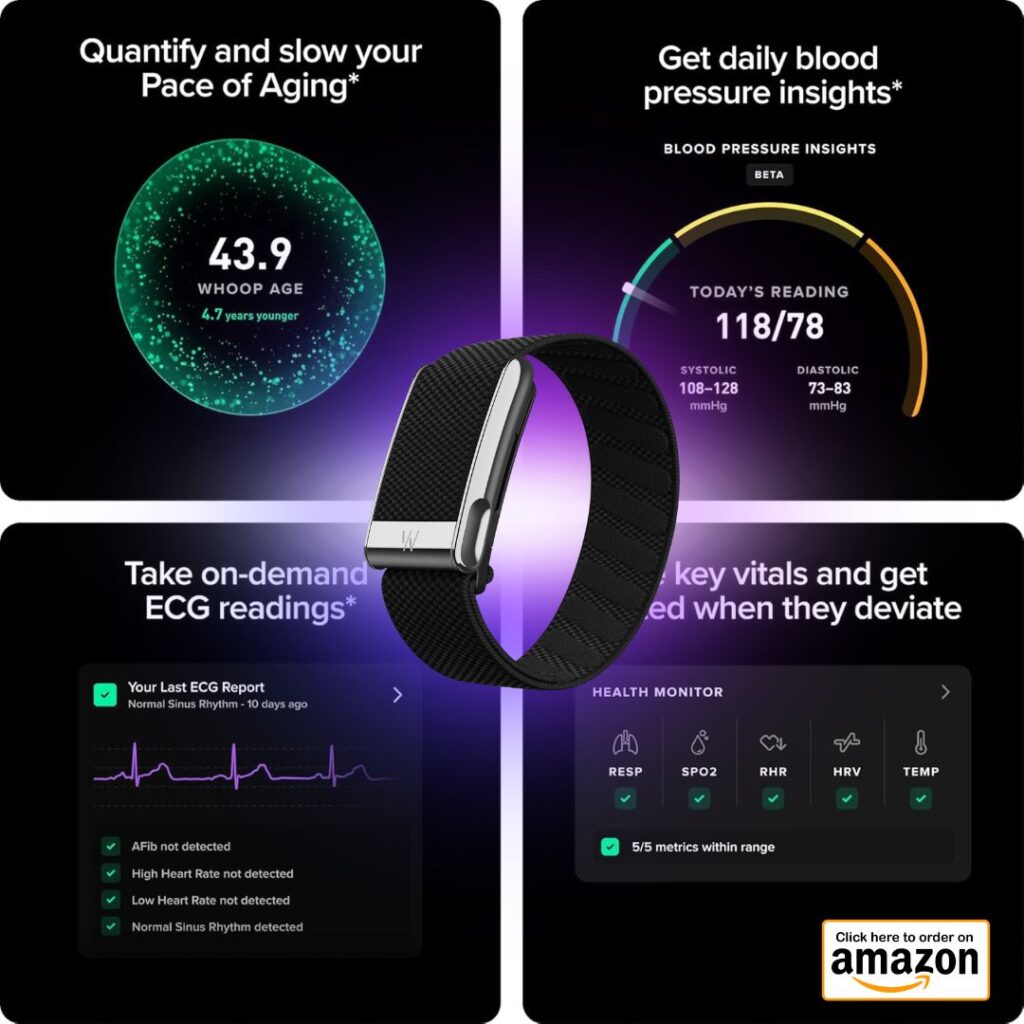
AI wearables leverage continuous data collection and machine learning algorithms to identify patterns, allowing for early detection of potential health issues.
Are AI health apps expensive?
Many health apps offer various pricing models, including free versions with basic features and premium options for enhanced services, accommodating different budgets.
Can AI replace my doctor?
AI complements healthcare by providing data-driven insights, but it doesn’t replace the expertise and personalized care of certified medical professionals.
Is personal data safe with AI health tools?
Reputable AI health tools adhere to strict data privacy regulations, employing encryption and other security measures to protect user data.
How user-friendly are AI health apps?
Most AI health apps are designed with user experience in mind, featuring intuitive interfaces and step-by-step guidance to assist all users easily.