
Cardiogenic shock is one of the most serious cardiac emergencies, occurring when the heart can no longer pump enough blood to supply the body’s vital organs. While it is rare, it is life-threatening and often linked to underlying heart disease. For anyone focused on long-term health, nutrition, wellness, or fitness, understanding the warning signs and preventive steps is essential. Early recognition saves lives—and prevention begins with daily heart-smart habits.
What Is Cardiogenic Shock?
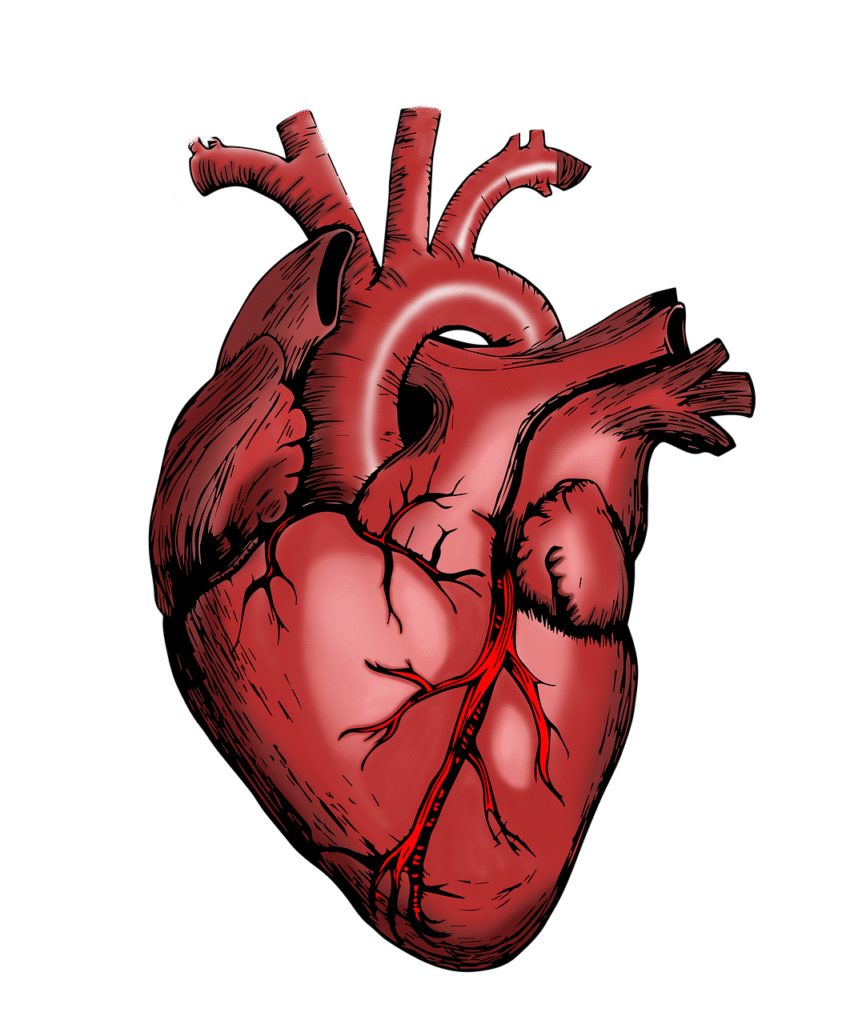
How It Happens: A Breakdown of Heart Function Failure
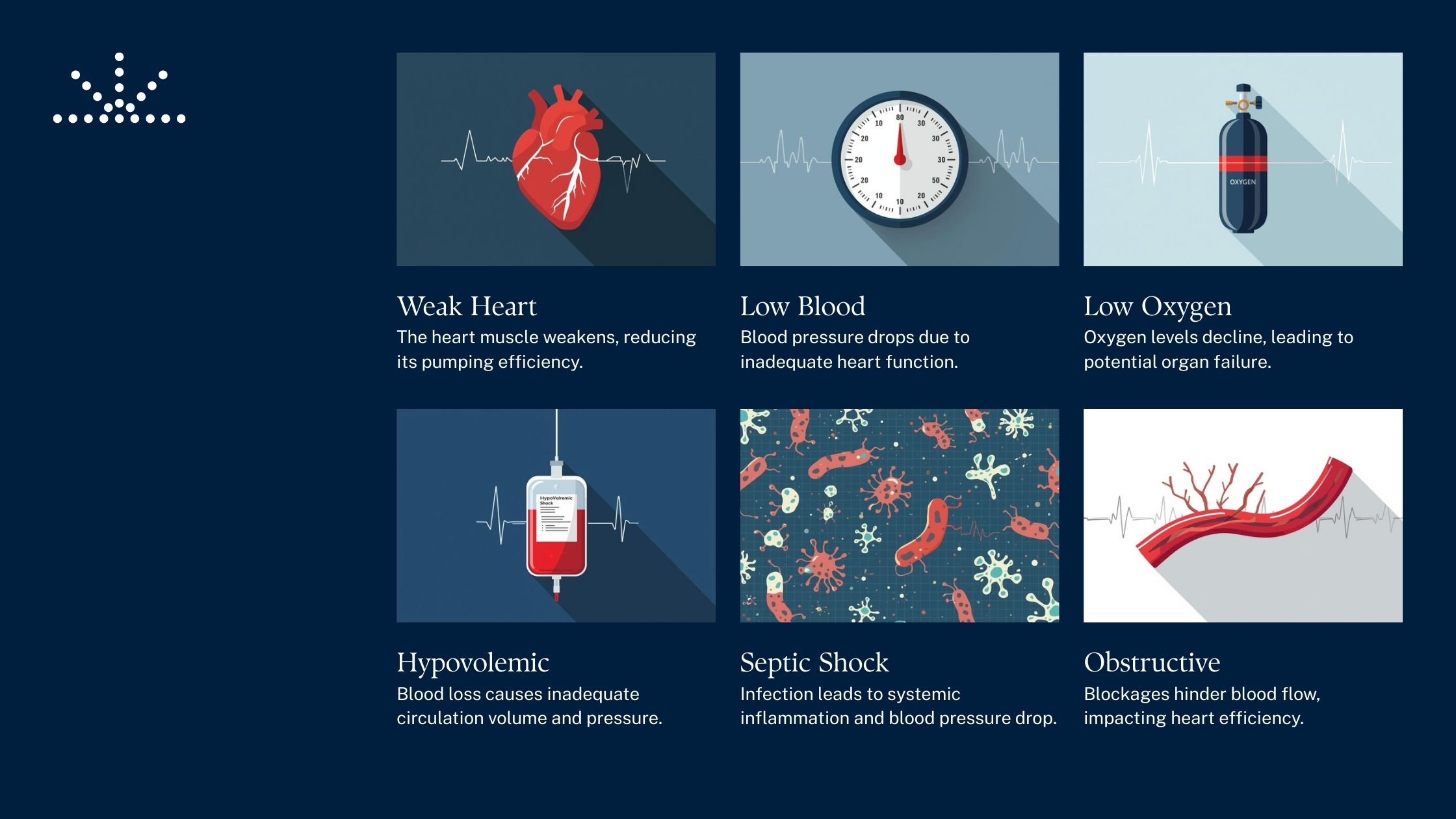
Cardiogenic shock occurs when the heart muscle becomes so weak or damaged that it cannot pump effectively. This leads to dangerously low blood pressure, reduced oxygen delivery, and organ failure. Most cases arise after a severe heart attack, but any condition that weakens the heart can contribute.
Cardiogenic vs. Other Types of Shock
- Hypovolemic shock: caused by severe blood or fluid loss
- Septic shock: caused by overwhelming infection
- Obstructive shock: caused by blockages such as pulmonary embolism
Cardiogenic shock is unique because the heart itself is the source of failure.
Symptoms of Cardiogenic Shock
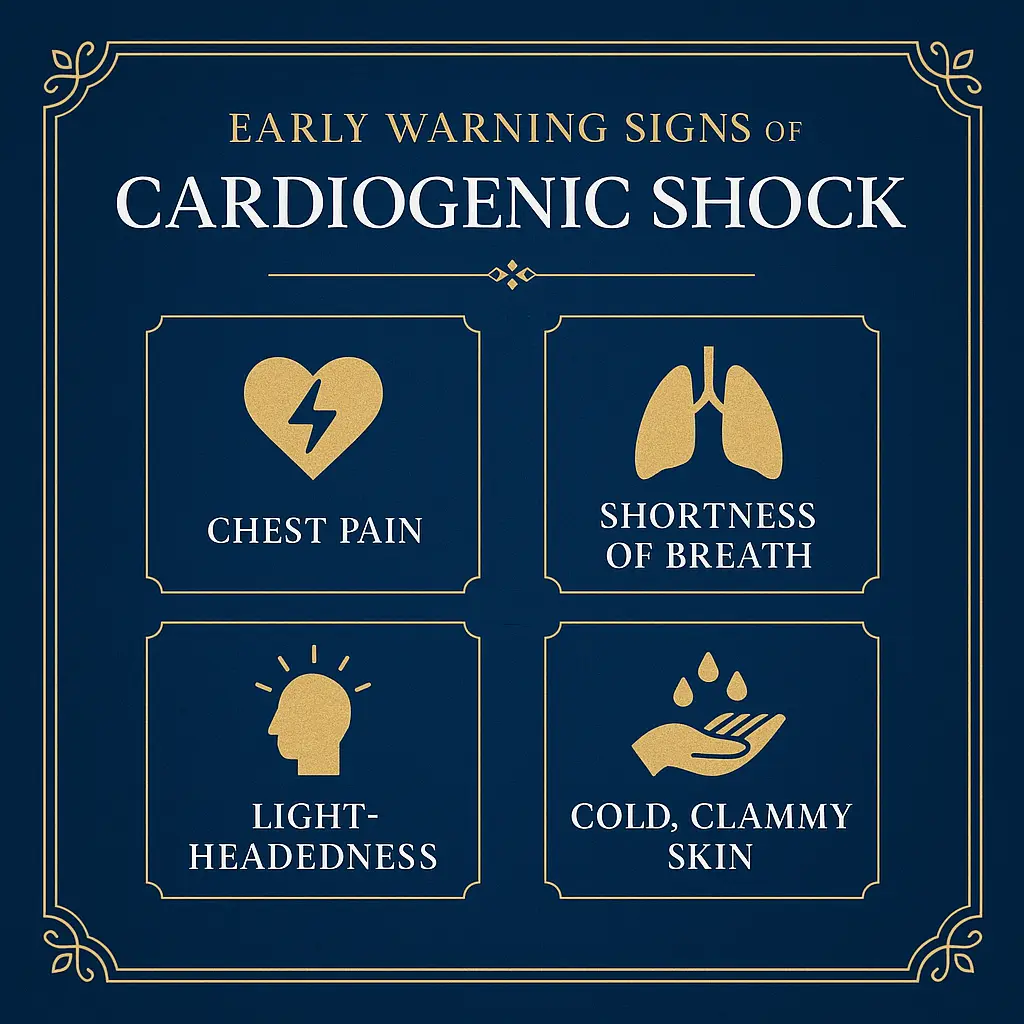
Early Warning Signs
These symptoms may appear subtly at first:
- Shortness of breath, even at rest
- Extreme fatigue or unusual tiredness
- Weak or rapid pulse
- Cold, clammy, pale skin
- Anxiety or sense of impending doom
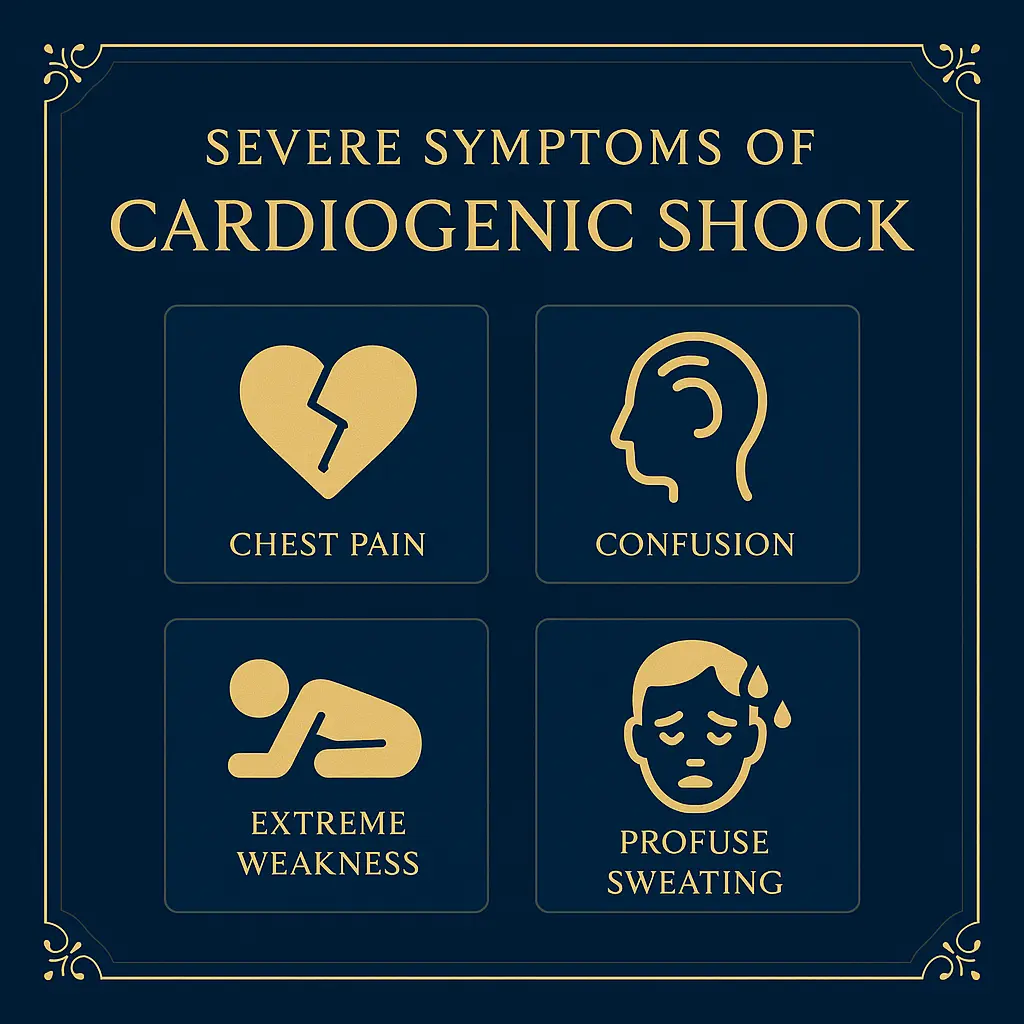
Severe Symptoms Needing Immediate Medical Attention
- Severe chest pain
- Rapid breathing or gasping for air
- Loss of consciousness
- Confusion or mental fog
- Sweating and low blood pressure
These symptoms require emergency medical care immediately.
Causes of Cardiogenic Shock
Heart-Related Triggers
The most common causes include:
- Heart attack (myocardial infarction)
- Severe arrhythmias (irregular heartbeats)
- Cardiomyopathy (weakened heart muscle)
- Damaged heart valves
Less Common Contributors
- Myocarditis (heart inflammation)
- Advanced heart failure
- Complications during or after heart surgery
Who Is at Higher Risk?
Individuals with the following risk factors are more likely to experience cardiogenic shock:
- Family history of heart disease
- High blood pressure
- High cholesterol
- Diabetes or insulin resistance
- Smoking
- Obesity
- Sedentary lifestyle
- Poor dietary habits
Prevention: How to Lower Your Risk of Cardiogenic Shock
Nutrition for Heart Strength
A nutrient-dense, heart-friendly diet supports healthy circulation and reduces plaque buildup. Focus on:
- Leafy greens, berries, and high-fiber foods
- Omega-3–rich fish such as salmon and sardines
- Nuts, seeds, and whole grains
- Limiting salt, added sugars, and excessive alcohol
Exercise & Fitness Preparedness
Regular movement strengthens the heart muscle and lowers cardiovascular risk.
- Aim for at least 150 minutes of moderate exercise per week
- Combine cardio, strength training, and flexibility work
- If you have heart disease or risk factors, consult a professional before starting vigorous activity
Wellness & Lifestyle Habits
Small, daily habits can drastically lower your risk:
- Maintain a healthy weight
- Prioritize sleep (7–9 hours)
- Reduce stress through mindfulness, yoga, or meditation
- Avoid smoking and secondhand smoke
Medical Prevention
Proactive care makes a difference:
- Regular heart screenings
- Managing blood pressure and cholesterol
- Treating heart conditions early
- Following medical guidance after a heart event
When to Seek Immediate Help
Call emergency services right away if you or someone else experiences:
- Blue lips or fingertips
Acting fast significantly improves survival. - Sudden severe chest pain
- Difficulty breathing
- Fainting or extreme weakness
Conclusion
Cardiogenic shock is a serious cardiac emergency, but understanding its symptoms and causes—and living a heart-healthy lifestyle—can reduce your risk. By focusing on nutrition, fitness, and preventive care, you build a stronger foundation for long-term heart health and overall wellness.
FAQs
What is the survival rate for cardiogenic shock?
Survival depends on how quickly emergency treatment begins. Early intervention dramatically improves outcomes.
Can fitness alone prevent cardiogenic shock?
Fitness helps, but prevention requires a combination of diet, lifestyle, medical care, and risk-factor management.
Does diet affect cardiogenic shock risk?
Yes—poor diet contributes to heart disease, which is the main cause of cardiogenic shock.
How quickly does cardiogenic shock develop?
It can develop suddenly after a major cardiac event such as a heart attack.
What is the main difference between a heart attack and cardiogenic shock?
A heart attack is a blockage in the coronary arteries; cardiogenic shock occurs when the heart can no longer pump effectively, often as a complication of a heart attack.