
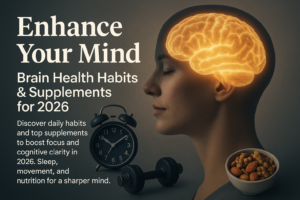
Brain Health Is the New Six‑Pack: Daily Habits and Supplements for a Sharper Mind
Estimated reading time: 7 minutes
- In 2026, brain health is prioritized alongside physical fitness.
- Daily habits like sleep, movement, and stress management form the foundation for cognitive clarity.
- Supplements such as L-theanine and creatine can enhance brain function when combined with healthy habits.
- Implement a one-week challenge to kickstart your brain health journey.
- No shortcuts—consistent habits yield lasting mental clarity.
Table of Contents
- What Are the Most Effective Daily Habits for Brain Health?
- Do Brain Supplements Like Creatine and L-Theanine Really Work?
- Ready to Try? Your One-Week Brain Health Challenge
- What Actually Works for Brain Health in 2026?
- Conclusion: Build Your Sharper Mind, Starting Today
- FAQ: Brain Health Habits and Supplements in 2026
What Are the Most Effective Daily Habits for Brain Health?
To build cognitive strength, rely on the 4 pillars: sleep, stress reduction, movement, and nourishing stimulation. Think of these as your mental fitness routine. Skip one too often, and the entire system weakens.
1. Sleep: Your Brain’s Maintenance Window
Direct Answer: Aim for 7–9 hours of quality sleep nightly. This is when your brain processes memories, clears toxins, and restores mood stability.
Why it matters: During deep sleep, your brain performs a nightly housekeeping act—clearing metabolic waste via the glymphatic system, consolidating new information, and recalibrating your emotional responses. Irregular or insufficient sleep has been linked to brain fog, anxiety, and reduced attention span.
Try This Habit: Build a wind-down routine. Go screen-free for 60 minutes before bed, dim the lights, and aim to be asleep by 10 p.m. Stick to the same sleep and wake time, even on weekends.
2. Stress Reduction: Manage Cortisol, Protect Focus
Direct Answer: Chronic stress raises cortisol, which impairs memory and shrinks key brain areas like the hippocampus.
Why it matters: Stress isn’t inherently bad—but when it becomes chronic, your brain pays a price. High cortisol increases inflammation and depletes neurotransmitters, leaving you feeling foggy, anxious, and drained.
Supportive Practices:
- Take three 10-minute screen-free mindfulness breaks daily
- Journaling or walking meditations
- Breathwork or app-guided relaxations
Adaptogens like ashwagandha can support your stress resilience—but they’re most effective with these lifestyle shifts. More on that soon.
3. Movement: Exercise Builds Brainpower
Direct Answer: Just 30 minutes of movement daily improves memory, elevates mood, and stimulates new brain cell growth.
Why it matters: Exercise isn’t just heart-healthy—it’s brain-healthy. Walking increases blood flow, delivering oxygen and nutrients. Regular movement boosts BDNF (brain-derived neurotrophic factor), a protein key to learning and neuroplasticity.
Easy Wins:
- Aim for 8,000+ steps daily
- Prioritize walking after meals, or morning yoga flow
- Bonus: Track your mood before and after
4. Nutrition + Mental Stimulation: Fuel & Challenge Your Brain
Direct Answer: Whole foods (especially omega-3s, protein, and colorful produce) plus brain training activities enhance cognitive resilience.
Why it matters: Just like your muscles, your brain needs fuel and challenge. Healthy fats (from fish, flax, or walnuts), lean proteins, and antioxidant-rich vegetables provide the nutrients your neurons crave. Simultaneously, curiosity and learning new skills build new neural pathways.
Try This:
- Add salmon, sardines, or chia seeds 3x/week
- Learn a language phrase, or try a new recipe
- Trade doom-scrolling for brain games or puzzles
Do Brain Supplements Like Creatine and L-Theanine Really Work?
Short Answer: Yes, when used responsibly and combined with solid habits, supplements like creatine, L-theanine, and adaptogens can enhance brain function.
Longer Explanation: The modern brain is under pressure—information overload, constant multitasking, and nutrient-depleted diets have created a surge in interest around cognitive enhancers. But here’s the key: supplements can support, not replace, brain health habits.
Let’s break down the current best bets.
1. L-Theanine: Calm & Centered Focus
- Key Role: Balances alertness and relaxation
- When to Use: With your morning coffee or before a focused work sprint
- Example Dosage: 200mg/day
- What the Research Says: Supports attention and reduces anxiety without sedation
It’s popular in nootropic stacks thanks to its synergy with caffeine. Instead of jittery highs, it promotes a calm clarity that makes multitasking less messy.
2. Creatine: Power Beyond Your Muscles
- Key Role: Fuels brain cells, reduces mental fatigue
- When to Use: Morning or pre-brainwork, especially in vegetarians or high-stress individuals
- Example Dosage: 3–5g/day
- Evidence: Emerging but promising for memory and cognitive performance
While known for gym rats, creatine also supports brain energy metabolism. Helpful for high cognitive load days, long meetings, or creative work.
3. Adaptogens: Stress Resilience with Science
- Key Role: Modulate stress response, improve emotional balance
- When to Use: Afternoon or early evening decompress
- Example Dosage: 300–600mg/day (ashwagandha common dose)
- Evidence: Supportive studies show reduced cortisol, improved calm
Ashwagandha, rhodiola, and holy basil are a few standouts. They’re not tranquilizers—they help your stress response adapt more flexibly.
4. Omega-3s & B12: Neuro-Nourishment
- Omega-3s: Reduce inflammation, support memory
Dose: 1–2g EPA/DHA - B12: Essential for nerve health (especially if vegan or over 50)
Dose: Check levels; supplement if low
Quick Comparison Table
| Supplement | Benefit | Dose | Evidence Level |
|---|---|---|---|
| L-Theanine | Focus & calm | 200mg/day | Moderate |
| Creatine | Mental energy | 3–5g/day | Emerging |
| Ashwagandha (Adaptogen) | Stress resilience | 300–600mg/day | Supportive |
| Omega-3s | Memory & inflammation | 1–2g EPA/DHA | Strong |
⚠️ Safety Reminder: Always consult your healthcare provider before adding any supplements—especially if pregnant, nursing, or taking medication. Supplements are meant to supplement, not replace, a healthy routine or medical treatment.
Ready to Try? Your One-Week Brain Health Challenge
Turning information into transformation starts now. This simple 7-day challenge blends the most effective brain health habits with safe, optional supplement support.
Note: Not medical advice. Check with your doctor before starting any new supplement regimen. Hydrate well and prioritize balanced meals.
Daily Checklist (Repeat for 7 Days)
- ✅ Sleep Goal: 7–9 hours (lights out by 10 PM)
- 🚶 Movement Target: 8,000 steps or 30 minutes of activity
- 📵 Screen-Free Moments: 3 x 10-minute focus breaks
- 💊 Supplement Stack (Optional):
- Morning: Creatine 3g + L-Theanine 200mg (with coffee if tolerated)
- Evening: Ashwagandha 300mg + Magnesium 200mg (support relaxation)
- Pair with omega-3-rich meal
| Day | Bedtime Met? | Steps | Screen Breaks | Supplements Tried / Notes |
|---|---|---|---|---|
| 1 | ☐ | _____ | ☐ ☐ ☐ | |
| 2 | ☐ | _____ | ☐ ☐ ☐ | |
| 3 | ☐ | _____ | ☐ ☐ ☐ | |
| 4 | ☐ | _____ | ☐ ☐ ☐ | |
| 5 | ☐ | _____ | ☐ ☐ ☐ | |
| 6 | ☐ | _____ | ☐ ☐ ☐ | |
| 7 | ☐ | _____ | ☐ ☐ ☐ |
What to Expect
- After 1 Week: Sharper focus, lighter mood, better sleep
- Ongoing: Greater brain resilience, habit momentum, clarity amid chaos
What Actually Works for Brain Health in 2026?
Direct Answer: The most effective brain health strategies are consistent daily habits like quality sleep, daily movement, stress reduction, and nutrient-dense meals—supplemented by evidence-based products like L-theanine, creatine, and omega-3s.
In short: No shortcuts. But high-reward, manageable steps can yield life-changing mental clarity.
Build Your Sharper Mind, Starting Today
The future of wellness isn’t just about how we look—it’s about how we think. And in our distraction-filled world, a sharp, calm, energized brain is your most valuable asset.
Good news? You don’t need a PhD or an empty calendar to get started. Just a decision—today—to sleep a little better, walk a little more, and breathe a little deeper. Supplements can light the path, but daily habits do the heavy lifting.
👏 You’ve got this.
📬 Sign up for our newsletter for weekly brain-boosting tips
FAQ: Brain Health Habits and Supplements in 2026
Q: How much sleep do I really need for sharper focus?
A: Most adults need 7–9 hours of quality sleep nightly for optimal memory, focus, and mood regulation.
Q: Are brain supplements safe?
A: Generally yes—but consult your healthcare provider first. Some may interact with medications or be unsafe during pregnancy or specific conditions.
Q: When should I take brain supplements like creatine or theanine?
A: Creatine and L-theanine are typically taken in the morning. Adaptogens may suit afternoon/evening use. Always follow dosage guidelines.
Q: Can I improve my brain health without supplements?
A: Absolutely. Quality sleep, movement, nutrition, and stress management alone can create significant cognitive improvements.
Q: What’s the fastest way to feel more mentally clear?
A: Improve sleep hygiene, hydrate, and step away from screens for focused breaks. These often show noticeable benefits within days.
🧠 Start your brain health journey today—because your sharpest mind is your smartest investment.