
How to Increase Testosterone Naturally: Signs, Causes, and Science-Backed Support
Testosterone is best known for driving libido and building muscle, but its reach extends far beyond that. It regulates bone density, red blood cell production, mood, cognitive function, and how the body stores fat. When levels dip below what your body needs, the effects can look a lot like aging, burnout, or depression — which is exactly why low testosterone is so often missed.
The conversation around low T has blown up in the last decade. Telemedicine ads promise quick fixes, supplement shelves are packed with “T-boosting” products, and men in their 30s and 40s are asking questions their fathers never thought to raise. Beneath the marketing, there’s solid science — and a lot of nuance that gets lost. Here’s what the evidence actually says.
Medically Reviewed by Dr. A. Collins, MD Board Certified Internist • July 20, 2026
🔑 Key Takeaways
- Testosterone affects far more than libido — it regulates muscle mass, bone density, mood, cognition, red blood cell production, and fat distribution
- Decline is gradual, not a cliff — levels drop roughly 1–2% per year after age 30; the “andropause” label is misleading because, unlike menopause, the process is slow and not universal
- Symptoms overlap with many conditions — fatigue, brain fog, low mood, and weight gain can stem from sleep deprivation, depression, or thyroid issues, not just low T
- Diagnosis requires two morning blood draws measuring total testosterone, free testosterone, and SHBG — a single low reading is not enough
- Lifestyle interventions have the largest effect size — weight loss, resistance training, and sleep optimization can raise testosterone substantially without medication
- TRT is not for men who want children — exogenous testosterone suppresses sperm production, and fertility can take months to over a year to recover after stopping
What Testosterone Actually Does
Testosterone’s job description is longer than most people assume. Yes, it drives libido and erectile function via nitric oxide regulation. But that’s one line on a long résumé.
Muscle mass and strength. Testosterone binds to androgen receptors on skeletal muscle, triggering protein synthesis and inhibiting breakdown. This is why men carry more lean mass than women, and why low T accelerates sarcopenia — age-related muscle loss.
Bone density. Testosterone is aromatized into estradiol in bone tissue; both hormones drive bone remodeling. Men with chronically low T have significantly higher rates of osteopenia, and fracture risk climbs.
Mood and cognition. Androgen receptors are dense in brain regions governing mood and executive function. Low T is consistently linked to depressive symptoms and reduced cognitive performance — though the relationship runs both ways, since depression itself can suppress testosterone.
Red blood cell production. Testosterone stimulates erythropoietin (EPO) in the kidneys. This is why men have higher hemoglobin than women, and why TRT can push hematocrit to unsafe levels — a risk requiring monitoring.
Fat distribution. Testosterone inhibits lipoprotein lipase, an enzyme driving fat storage. When T drops, that brake weakens, and visceral fat accumulates. This creates a vicious cycle: more visceral fat → more aromatase → more T converted to estrogen → even lower T.
The Gradual Decline — Not a “Manopause”
Testosterone does not fall off a cliff at middle age. Testosterone levels by age follow a predictable pattern. Starting around age 30, total T declines roughly 1–2% per year — a slow drift, not a crash. Average total testosterone in men aged 19–39 is roughly 600 ng/dL, dropping to approximately 500 ng/dL in the 40s, 450 ng/dL in the 50s, and 400 ng/dL by the 60s — though individual variation is enormous. Some 65-year-old men have higher T than sedentary 25-year-olds, highlighting that lifestyle often outweighs chronological age. The term “andropause” is misleading. Unlike menopause, where ovarian function ceases abruptly, the age-related T decline is gradual, highly individual, and absent in a meaningful percentage of men.
What changes more dramatically with age is sex hormone-binding globulin (SHBG). SHBG rises as men get older, so even if total T looks normal, free — biologically active — T can be much lower. This is why “normal” total T without free T measurement can miss clinically significant deficiency.
Add in the lifestyle shifts that accompany aging — less activity, more body fat, worse sleep, higher stress — and much of the age-related decline turns out to be modifiable, not inevitable.
Signs That Testosterone May Be Low
The symptoms of low T are nonspecific — overlapping with depression, hypothyroidism, sleep apnea, and chronic stress. That overlap is the biggest reason misdiagnosis and unnecessary treatment happen. Here are the most well-established signs:
- Low libido. Often the earliest and most consistent symptom. A drop in spontaneous erections — especially morning erections — is one of the more specific indicators.
- Erectile dysfunction. While ED has many causes (vascular, neurological, psychological), testosterone deficiency affects the nitric oxide pathway that relaxes smooth muscle in penile arteries. If ED is the only symptom, testosterone is rarely the sole culprit.
- Persistent fatigue. The deep, unrelenting exhaustion that doesn’t improve with rest. Men with clinically low T often report feeling drained regardless of sleep duration.
- Loss of muscle mass and strength. Noticeable reduction in strength without changes in training or diet. Clothes fitting differently, lifts getting harder.
- Increased body fat, especially around the midsection. The aromatase-driven cycle means visceral fat accumulation and falling testosterone reinforce each other.
- Mood changes. Irritability, low motivation, and depressive symptoms are common. The challenge is distinguishing whether low T is causing depression or depression is suppressing testosterone — both directions are well-documented.
- Brain fog. Difficulty concentrating, word-finding problems, and mental sluggishness.
- Decreased bone density. Usually silent until a fracture occurs. Not something you feel, but measurable on a DEXA scan, and a reason to check testosterone in men with unexplained osteopenia.
One critical point: having one or two of these symptoms does not mean you have low testosterone. A proper diagnosis requires blood work — and more than just a single draw.
How Testosterone Is Properly Tested
The Endocrine Society recommends two separate morning blood draws (8–10 AM, when testosterone peaks) on different days. Here’s what gets measured:
- Total testosterone. The combined amount — bound to SHBG and albumin plus the small unbound fraction. Normal ranges vary by lab but generally fall between 300 and 1,000 ng/dL. Below 300 ng/dL on two morning draws is the typical diagnostic threshold, though some guidelines use 264 ng/dL.
- Free testosterone. The biologically active fraction — roughly 2–3% of total T. A man can have “normal” total T but low free T if SHBG is elevated. Calculated free T (using total T, SHBG, and albumin) is preferred over direct analog assays.
- SHBG. The binding protein that regulates testosterone availability. High SHBG means less free T even if total T looks fine. SHBG rises with age, liver disease, hyperthyroidism, and certain medications.
Morning timing matters because testosterone follows a diurnal rhythm — highest early AM, falling through the day. An afternoon draw can be 20–30% lower in younger men. Men over 45 may have a blunted rhythm, but morning testing remains standard.
If both draws come back low, the next step is distinguishing primary hypogonadism (testicular failure — high LH/FSH, low T) from secondary (pituitary/hypothalamic dysfunction — low or inappropriately normal LH/FSH, low T). This determines whether pituitary imaging is needed.
What Drives Testosterone Down
Lifestyle Factors
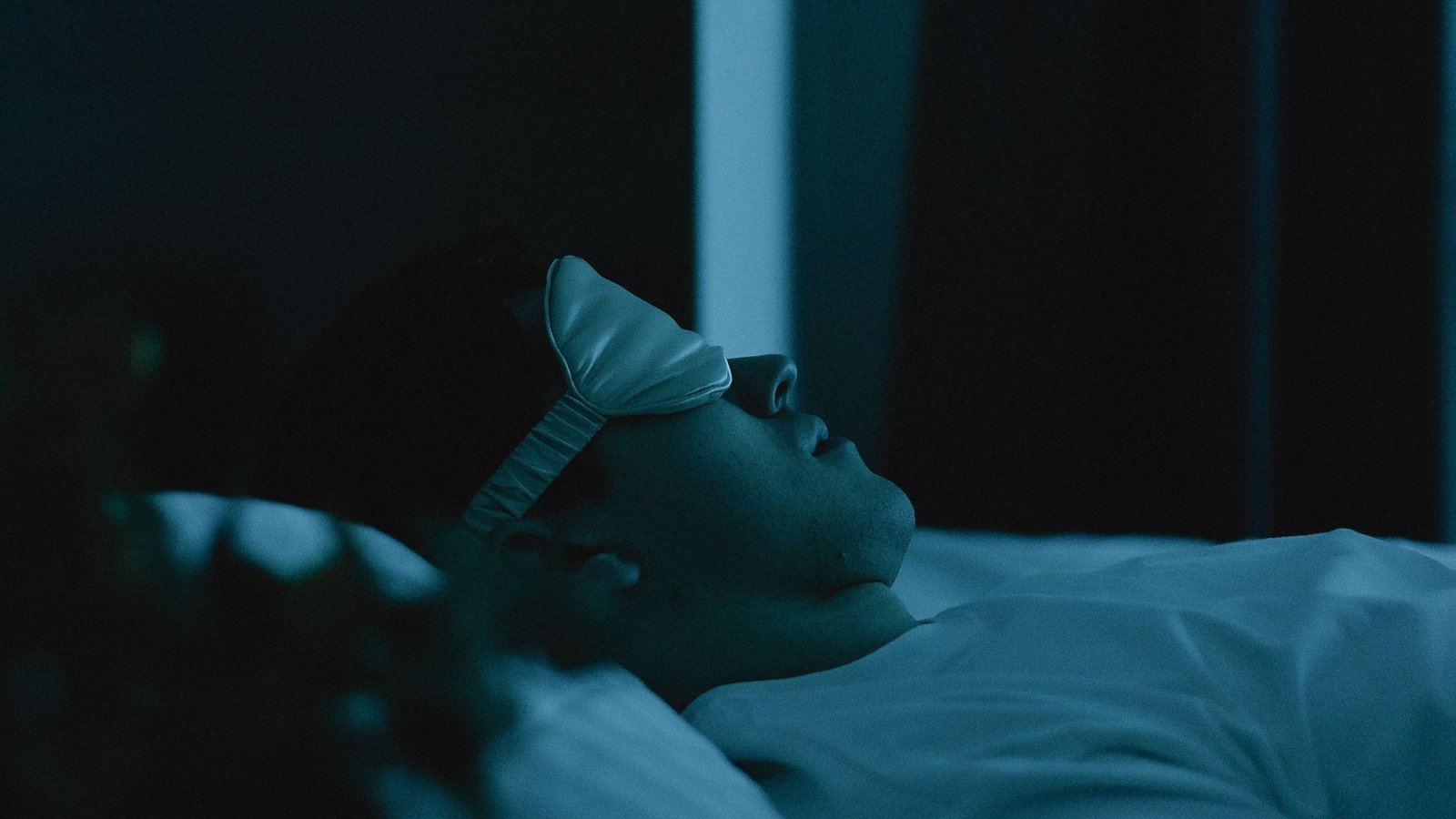
Poor sleep. Testosterone production peaks during deep sleep. One controlled trial found that healthy men restricted to 5 hours a night for one week had a 10–15% drop in daytime T — clinically meaningful from just one week of bad sleep. See our sleep quality tips.
Obesity. The largest modifiable contributor. Adipose tissue, especially visceral fat, expresses high levels of aromatase, which converts T to estradiol — less testosterone, more estrogen, further HPG axis suppression. Excess visceral fat is a stronger predictor of low T than age alone.
Chronic stress. Testosterone and cortisol share pregnenolone as a precursor. Under sustained stress, the adrenal glands prioritize cortisol production — sometimes called the “pregnenolone steal.” The outcome: chronic stress suppresses testosterone. Read our deep dive on cortisol and the stress response.
Alcohol. Chronic heavy use directly suppresses Leydig cells — the testosterone-producing cells in the testes — while also raising SHBG and aromatase activity. Effects are dose-dependent; sustained heavy intake can produce hypogonadal levels even in young, otherwise healthy men.
Nutrient deficiencies. Several micronutrients are rate-limiting for T synthesis: zinc is a cofactor for steroidogenic enzymes — deficiency reliably lowers T (sources: oysters, red meat); magnesium reduces SHBG binding, increasing free T; vitamin D acts as a steroid hormone precursor, though RCT evidence for supplementation is mixed; healthy fats are essential — cholesterol is the backbone of all steroid hormones, and extremely low-fat diets suppress testosterone. Low energy availability (eating too few calories) also signals the body to downregulate reproduction — the HPG axis deprioritizes it when energy is scarce.
Medications and Substances
Several common medications can lower testosterone:
- Opioids. Among the most potent pharmacological suppressors — inhibit GnRH from the hypothalamus, cutting off the signal to the testes. Up to 75% of men on long-term opioid therapy develop hypogonadism.
- Glucocorticoids (prednisone, dexamethasone). Suppress the HPG axis at multiple levels; well-established cause of secondary hypogonadism with prolonged use.
- Some antidepressants. SSRIs, particularly long-term, are associated with modest T reductions — though mood benefits usually outweigh the hormonal effect.
Medical Conditions
- Klinefelter syndrome (47, XXY). The most common chromosomal cause of primary hypogonadism, affecting roughly 1 in 600 male births. Men often go undiagnosed until adulthood.
- Pituitary tumors. Prolactinomas and non-functioning adenomas can disrupt LH and FSH secretion by compressing the pituitary. Hyperprolactinemia itself suppresses GnRH.
- Testicular injury or infection. Trauma, torsion, or mumps orchitis can destroy Leydig cells, causing primary hypogonadism.
- Hemochromatosis. Iron overload deposits in the pituitary and testes — an under-recognized cause. Worth checking iron studies in unexplained cases.
- Type 2 diabetes and metabolic syndrome. Strongly associated with low testosterone, largely mediated through visceral adiposity, insulin resistance, and aromatase activity. The relationship is bidirectional: low T increases diabetes risk and vice versa.
How to Increase Testosterone Naturally
If lifestyle factors are driving low T — as they often are — addressing them can produce meaningful improvements without medication. The cumulative effect across several domains can shift levels enough to resolve symptoms in borderline cases.
1. Lose Excess Body Fat
This has the largest effect size of any lifestyle intervention. Aromatase in fat tissue converts T to estrogen — losing fat removes that drain. Weight loss alone raises testosterone roughly 2–3 ng/dL per kilogram lost, more when combined with exercise. The card below outlines one pathway for medically supervised weight loss support.
2. Resistance Training — Compound Lifts

Consistent resistance training — especially compound lifts (squats, deadlifts, bench press, rows) — improves insulin sensitivity, reduces visceral fat, and increases androgen receptor density. Leg-focused compounds recruit the most muscle and produce the largest hormonal response. See our beginner’s guide to weight training.
3. Prioritize Sleep
The single most powerful acute lever. One week of 5-hour sleep cuts T 10–15%. If you average under 7 hours, fix that before supplements or prescriptions. See our sleep quality tips.
4. Manage Stress
Chronic cortisol suppresses T through reduced GnRH pulsatility, decreased Leydig cell sensitivity, and precursor shunting. Exercise, sleep, mindfulness, and therapy all help. See our article on cortisol and the stress response.
5. Eat Foods That Boost Testosterone
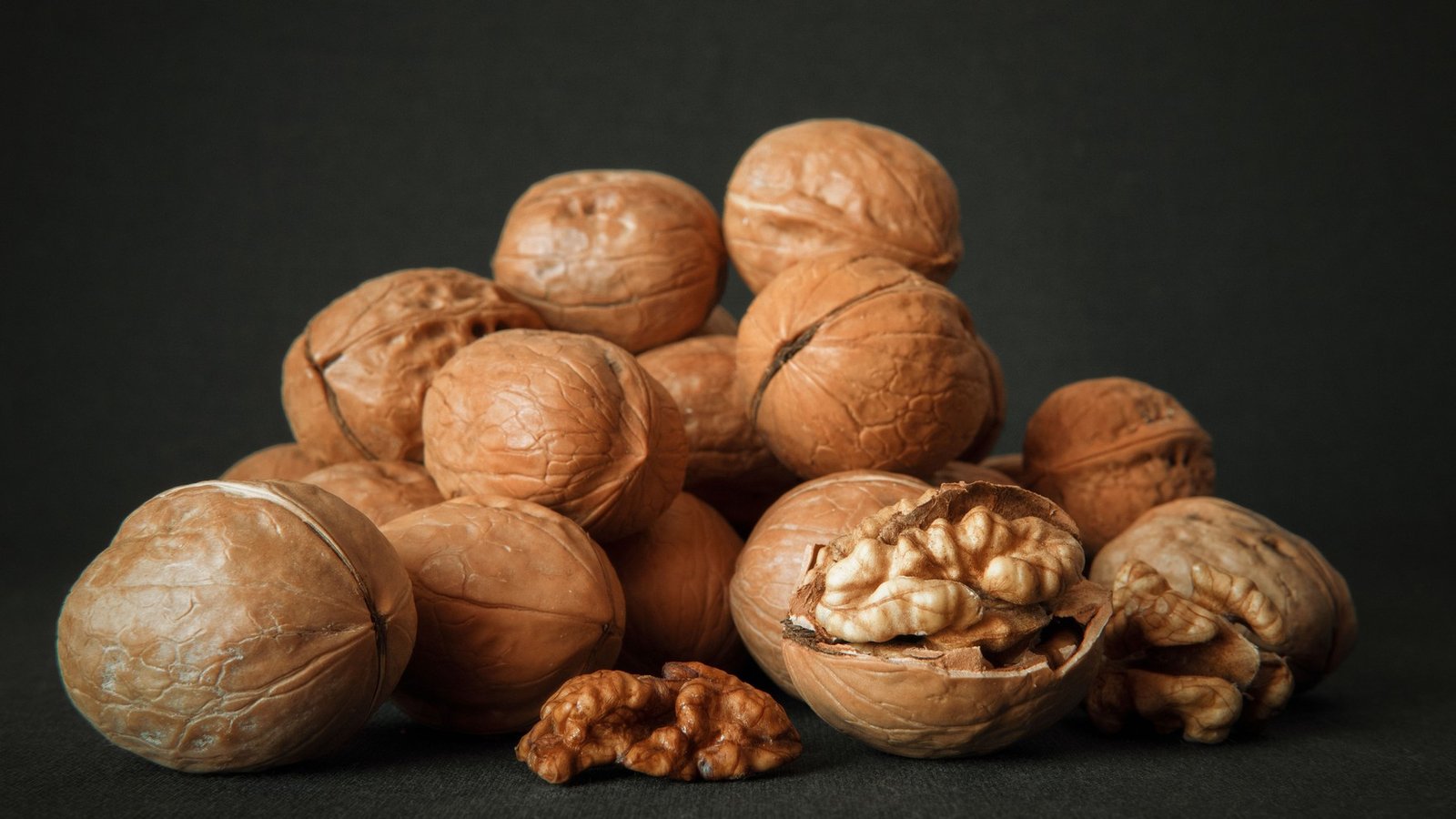
Eat enough — caloric restriction below basal metabolic rate suppresses the HPG axis. When it comes to supplements for testosterone, the evidence is clear: correct genuine deficiencies (zinc, magnesium, vitamin D) only if lab-confirmed — megadosing doesn’t produce supraphysiological T. Ashwagandha has the strongest clinical evidence among herbal options, with one 2020 RCT showing a 14.7% greater T increase versus placebo in stressed men, though effect sizes vary widely across studies and quality is inconsistent. The takeaway: food first, supplements only when labs show a gap. Get adequate dietary fat; cholesterol is the raw material for T synthesis, and diets below 20% fat reduce T. For muscle support, adequate protein matters. Correct genuine deficiencies — zinc, magnesium, and vitamin D — but only if lab-confirmed. Megadosing doesn’t produce supraphysiological T.
6. Reduce Endocrine Disruptors
BPA, phthalates, and parabens have anti-androgenic effects. Evidence in humans is observational — you can’t ethically randomize people to BPA exposure — but animal data and cross-sectional studies show consistent associations with lower T. Practical steps: avoid plastic containers (especially heated), use glass or steel, choose fragrance-free products, wash produce. The effect is small compared to weight loss or sleep, but reducing cumulative exposure is reasonable.
TRT: When It Makes Sense
Testosterone replacement therapy is the standard treatment for confirmed hypogonadism — consistently low T plus clinical symptoms, not just a lab number. Delivered via injection, gel, patch, or pellet, it raises T to normal levels, typically relieving symptoms within weeks to months.
But TRT is a medical treatment with real trade-offs, not a lifestyle shortcut:
- Fertility suppression. Exogenous T shuts down LH and FSH, halting spermatogenesis. For men wanting children now or later, TRT is generally not appropriate. Recovery can take months to over a year and isn’t always complete. Alternatives like clomiphene or hCG can raise T while preserving fertility but need specialist management.
- Polycythemia. TRT stimulates red blood cell production. Elevated hematocrit increases blood viscosity — regular monitoring is mandatory.
- Cardiovascular risk. Evidence is mixed: some observational studies show increased risk, others neutral or protective effects. The FDA requires a cardiovascular warning.
- Prostate safety. TRT doesn’t cause prostate cancer but can accelerate existing cancer. PSA screening before and during treatment is standard.
TRT is effective for men with confirmed hypogonadism who understand the risks. It is not a performance enhancer for healthy men, and not a substitute for the lifestyle changes that produce the largest natural improvements.
Frequently Asked Questions
What are the signs of low testosterone?
Low libido, reduced morning erections, persistent fatigue, muscle loss, increased belly fat, mood changes, brain fog, and decreased bone density. These overlap with depression, hypothyroidism, and sleep apnea — blood testing is essential. Symptoms alone don’t mean you have low T.
Can low testosterone be reversed naturally?
Yes, when lifestyle factors are the driver. Weight loss has the largest effect (roughly 2–3 ng/dL per kilogram lost). Resistance training, adequate sleep, stress reduction, and correcting deficiencies can produce clinically meaningful increases. If the cause is a medical condition (Klinefelter syndrome, pituitary tumor, testicular injury), medical treatment may be necessary.
Does lifting weights increase testosterone?
Yes, but the effect is about long-term adaptation, not acute spikes. The chronic benefits — less body fat, better insulin sensitivity, more androgen receptors — sustain healthy levels. Compound exercises (squats, deadlifts, presses, rows) produce the largest hormonal response; leg-focused lifts recruit the most muscle.
At what age does testosterone start declining?
Starting around age 30, total T declines 1–2% per year — but this is highly variable. Some men maintain youthful levels into their 70s. Free testosterone often drops faster because SHBG rises with age. Much of the decline reflects changes in body composition, activity, and health rather than aging alone.
Can stress lower testosterone?
Yes. Chronic cortisol suppresses the HPG axis — reducing GnRH release, decreasing pituitary sensitivity, and directly inhibiting Leydig cells. Cortisol and T share pregnenolone as a precursor; under stress, the adrenal pathway gets priority. Our cortisol deep dive covers the physiology in detail.
Is testosterone replacement therapy safe?
Generally safe for confirmed hypogonadism with monitoring. Key risks: fertility suppression (shuts down sperm production — not for men wanting children), polycythemia (elevated red blood cells), and cardiovascular effects under active research. TRT doesn’t cause prostate cancer but can accelerate existing cancer — PSA screening is standard. Men with normal T should not use TRT for performance enhancement.
— Written by the AAHT Content Team. Reviewed by Dr. A. Collins, MD, Board Certified Internist.