
Recognizing Heart Disease Warning Signs in Young Women: What Every Woman Needs to Know
Many young women often face pressures that leave little time for real self-care. It’s easy to dismiss the occasional ache or wave of fatigue as simply “part of life.” However, overlooking these symptoms could be a costly mistake. When it comes to heart disease, early recognition and prevention are crucial, especially since women often experience subtler symptoms than men. This article is your guide to understanding these warning signs and taking proactive steps towards heart health.

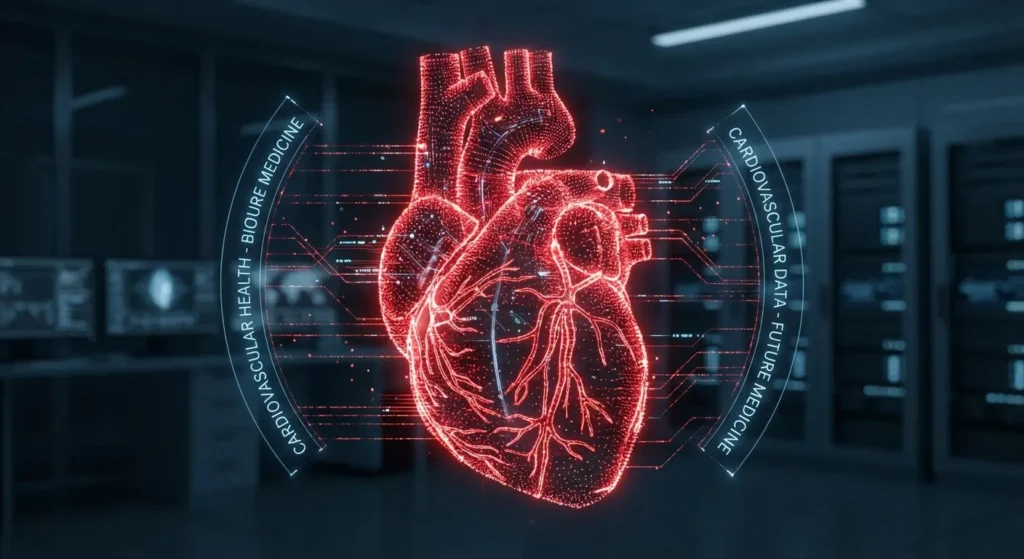
What Are the Heart Disease Warning Signs in Young Women?
Why Are Heart Disease Symptoms Often Overlooked in Young Women?
Heart disease remains the leading cause of death among women, yet many young women are unaware of the risk factors and symptoms. Women’s symptoms can be atypical and easily mistaken for less serious conditions like stress or the flu. Understanding these signs is the first step in protecting your heart.

Common Symptoms to Watch for:
Swelling: Unusual swelling in the legs, feet, or abdomen can indicate heart issues.
Chest Discomfort: This can feel like pressure, squeezing, or fullness and may last more than a few minutes or come and go.
Pain in Other Areas: Women may experience discomfort in the arms, back, neck, jaw, or stomach.
Shortness of Breath: This can occur with or without chest pain and might feel more pronounced when lying flat.
Unusual Fatigue: A sudden or persistent tiredness that hampers daily activities, even after rest, can be a red flag.
Nausea or Indigestion: Often dismissed as a simple stomach issue, this can be a warning sign.
Cold Sweat or Dizziness: Lightheadedness combined with any other symptom warrants attention.
Palpitations: A fluttering feeling in the chest is another symptom not to ignore.
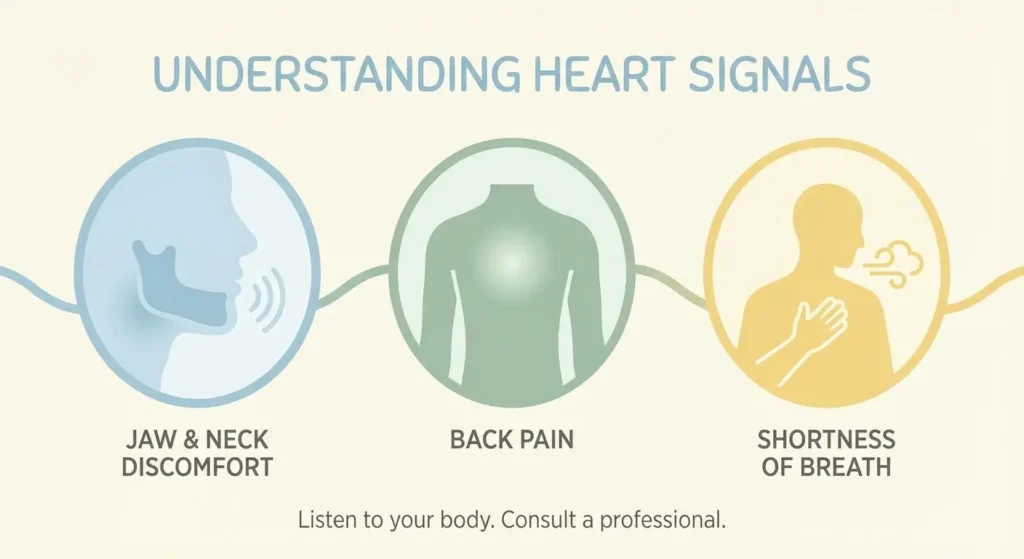
Being aware of these symptoms and recognizing their seriousness is vital. If you experience any combination, especially with chest discomfort, seeking immediate medical attention is critical.
How Can Young Women Prevent Heart Disease?
Proactive Steps for Heart Health
Heart disease is often preventable. By adopting a healthy lifestyle early on, young women can significantly reduce their risks. Here’s how:
- Manage a Healthy Weight and Diet: Focus on a balanced diet rich in fruits, vegetables, and low in saturated fats. This lays the foundation for long-term health.
- Regular Exercise: Aim for at least 150 minutes of moderate activity each week. Activities like walking, cycling, or swimming are excellent choices.
- Monitor Key Health Metrics: Regular checkups to monitor blood pressure, cholesterol, and blood sugar help catch potential issues early.
- Avoid Smoking and Limit Alcohol: Both are significant risk factors for heart disease.
- Manage Stress and Other Conditions: Stress, along with conditions like depression, diabetes, and sleep apnea, can impact heart health.
- Awareness of Menopausal Changes: Post-menopause, the risk of heart disease increases as the protective role of estrogen diminishes.
- Know Your Family History: Genetic factors play a role, so being informed and sharing this information with healthcare providers is essential for personalized care.


Conclusion: Take Charge of Your Heart Health Today
Heart disease in young women is a critical issue that requires attention and action. By recognizing warning signs and committing to preventative measures, you can vastly improve your heart health. Start with small changes, like taking a brisk walk or choosing a healthy meal option today. These steps add up and can make a difference. Remember, your heart health is in your hands, and taking action now can lead to a healthier, happier future.
FAQ
- At what age should women start getting screened for heart disease? Women should begin screenings from age 20 to monitor their heart health, even if they feel fit.
- Are heart attack symptoms different for women compared to men? Yes, women often experience subtler symptoms such as fatigue, nausea, and neck or back pain, rather than classic chest pain.
- Can lifestyle changes truly prevent heart disease? Absolutely. Adopting a healthy lifestyle, including diet and exercise, significantly reduces the risk of developing heart disease.
- How does menopause affect heart disease risk? Post-menopause, women’s heart disease risk increases due to lower estrogen levels, which previously provided a protective effect.
- What should I do if I experience these symptoms? Call 911 or seek immediate medical attention, especially if you’re experiencing chest discomfort combined with other symptoms. Prioritize your health and safety.